Owners with switchgear in Louisiana can request a cash offer without turning the inquiry into a field-testing project. Metal-enclosed switchgear is evaluated as a lineup, not as an isolated cabinet. The useful story is how sections, buses, protective devices, and isolation functions fit together.
What to identify
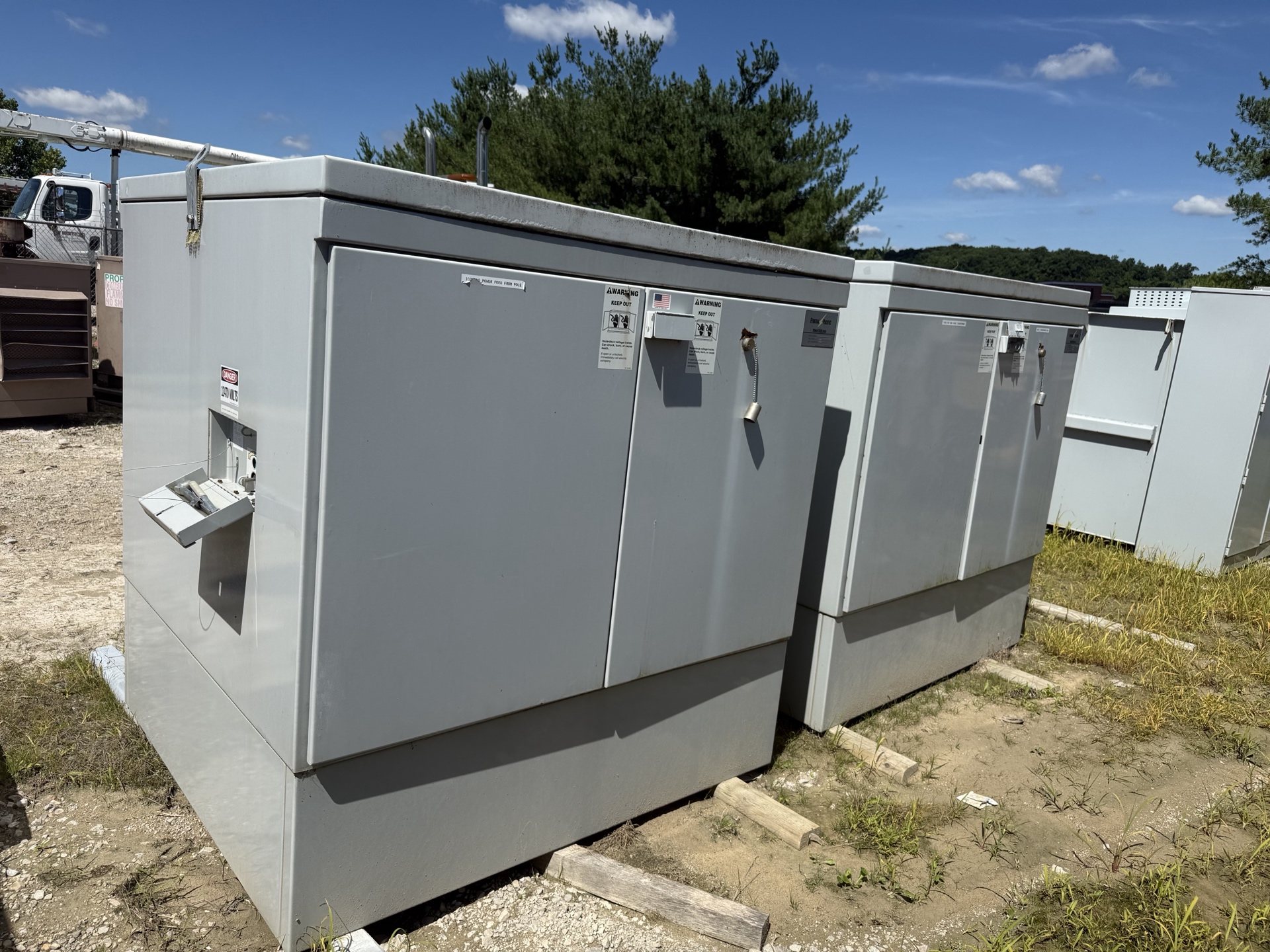
Describe the lineup section by section: incoming or main section, bus arrangement, feeder or tie sections, breaker compartments, instrument compartments, shutters, barriers, and visible accessories. Medium- and low-voltage assemblies can look similar in photographs while differing materially in insulation class, interrupting duty, bus bracing, compartment construction, and mechanism. Record the marked voltage class, continuous bus and device ratings, interrupting rating where shown, phase and frequency, enclosure style, manufacturer, series, and approximate dimensions. A readable nameplate is more useful than a guess based on appearance. If the lineup was modified, note the modification as an observation rather than assuming that the original catalog configuration remains intact. When a lineup has multiple shipping sections, a simple section map often prevents confusion during review.
Configuration and compatibility
For switchgear, buyers compare the overall lineup geometry as carefully as the rating. Section width and depth, shipping splits, breaker cell dimensions, drawout or fixed construction, key interlocks, metering, relays, and cable-entry direction can all affect whether a lot is useful. List each breaker or device separately when practical, including its frame, trip or relay information, poles, voltage, interrupting data, and mounting position. Do not infer test results, arc-flash values, or present suitability from a label alone.
Photo and nameplate checklist
A strong photo set starts with a wide, square-on view of the complete lineup, followed by each nameplate, breaker face, compartment label, bus or cable area that is already safely visible, and any loose parts. Include a ruler or tape only for scale; do not remove covers or reach into equipment for a photograph. Show dents, corrosion, paint loss, missing doors, cutouts, stored parts, and wiring changes honestly. Blur customer names, addresses, and sensitive facility information before publication.
Organize the lot for review
When offering switchgear, tell us whether the equipment is a single piece, a complete assembly, or a mixed lot. Identify any parts that belong together and any pieces that are being offered separately. Share the Louisiana pickup location and any known constraints on access. The buyer handles qualified electrical disconnects and the complete removal and logistics scope—crane, rigging, loading, freight, and hauling—so the seller only needs to provide accurate equipment information and get paid. The review starts with the equipment that is actually available, its marked identification, and its visible condition.
Start with the marked identity
Use the exact manufacturer, series, catalog number, serial or lineup identifier when available, and every readable rating on the nameplate. Describe what is visible and separate it from information supplied by an owner or prior record. Include all voltage classes when known, from low-voltage equipment through medium-voltage assemblies, without treating a nominal class as proof of application suitability. If a field is unreadable, say so. A careful unknown is more useful than a confident guess.
Describe condition and completeness
Explain whether the lot is installed, stored, removed, partial, or mixed, while avoiding claims about operating condition that have not been documented. List doors, covers, barriers, breakers, buckets, meters, relays, controllers, bus joints, transition pieces, hardware, manuals, and loose accessories. Note corrosion, water marks, impact, paint loss, modifications, missing labels, cut wiring, and packaging. The buyer can review an incomplete lot, but the quote must reflect what is actually included. No seller testing is required for the initial inquiry.
Photos that make review practical
Send a wide view, readable nameplates, dimensional references, device labels, accessory groups, and close-ups of visible damage. Do not remove covers, operate mechanisms, reach into compartments, expose live parts, or create a staged energized photograph. The buyer handles the complete removal and logistics scope, including qualified-professional electrical isolation and disconnects, crane, rigging, loading, freight, and hauling; no seller disconnection, removal, rigging, or handling is required. Remove confidential addresses, customer names, security details, and sensitive facility diagrams from any public image.
Freight and safe handling
Tell the buyer where the lot is staged, whether sections are separated, approximate dimensions, approximate weight only when documented, loading limitations, dock or ground-level information, and any known access constraints. The buyer handles crane, rigging, qualified-professional electrical disconnects, loading, freight, and hauling from the seller's site, subject to review of the lot and practical access requirements. Heavy, energized, or connected equipment must remain untouched until qualified professionals safely isolate it; no seller testing, disconnection, removal, rigging, handling, or freight arrangement is required.
Requesting the offer
Send the page subject, equipment label, nameplate transcription, photo set, quantity, condition notes, completeness list, and freight location. Include a contact method and identify whether the equipment is owned by the person making the inquiry or requires another party’s approval. The buyer buys used and surplus equipment; this is not a marketplace where the buyer is selling replacement gear. A cash offer and upfront payment can be arranged after the equipment and transaction details are reviewed. Any quote is subject to review and is not a guaranteed price, acceptance of unsafe access, or certification of suitability.
What happens next
After the initial information is received, the buyer can ask focused questions about a rating, missing component, section count, or loading condition. Keep the original photographs and nameplate notes together so revisions do not erase uncertainty. The buyer coordinates qualified professionals for any electrical isolation or disconnect work and handles the crane, rigging, removal, loading, freight, and hauling; do not improvise electrical work. Once the lot, condition, ownership, and access requirements are understood, the buyer can confirm the offer terms, payment arrangement, and the complete logistics scope in writing.
Buyer notes
Send the facts that move the review forward.
Include the nameplate, lineup or device photos, approximate quantity, visible condition and where the equipment is located. We buy equipment; we do not sell replacement gear or represent a test result that has not been provided.
Start with the nameplate
Request a quote
Tell us what you have. We buy switchgear from decommissioned data centers, shut-down power plants and other facilities. Crane, rigging, disconnects, loading, freight and hauling are on us. You do nothing but get paid.