When preparing surplus GE electrical equipment for review, start with the markings and records already available rather than assuming that a familiar logo identifies the complete assembly. GE-branded distribution and control equipment spans different generations and configurations. Exact nameplate wording, legacy labels, catalog information and visible accessories can help Louisiana Switchgear Buyer assess what is being offered and make an informed offer where appropriate.
Capture the full nameplate wording
Use existing records or a photograph taken safely from outside the equipment to transcribe the nameplate exactly, including punctuation, abbreviations and any stated ratings. Record the equipment type and the full manufacturer wording as it appears, not just “GE.” Older equipment may carry markings that differ from newer GE-branded products, and a partial transcription can make identification uncertain. Do not open an energized compartment or remove a cover to find a plate. If a marking is obscured or unreadable from a safe position, note that limitation; a buyer can weigh it alongside other available information.
Record series, catalog and model identifiers
Look for a series or family designation and the complete catalog or model number in asset registers, drawings, purchase records or safely accessible exterior labels. Copy characters carefully: similar letters and numerals can distinguish equipment families or configurations. Include any suffixes rather than shortening the identifier. A catalog number helps frame the review, but it should not be treated as a complete description of the assembly on its own. For legacy-marked equipment, related records may use an earlier naming convention or identify only a section or component, so say where each identifier came from.
Preserve legacy markings and revisions
Legacy markings can add useful context when product names, labels or documentation have changed over time. Record alternate brand wording, older series names, stamped identifiers, revision codes and accessory identifiers that are visible without disturbing the equipment. If a newer inventory label sits beside an older nameplate, document both and indicate which source supplied each detail. Do not interpret a marking as proof of a particular revision or compatibility; report it as written. These clues can help a buyer compare the offered gear with available records and distinguish similar-looking items during an initial review.
Describe the assembly and its geometry
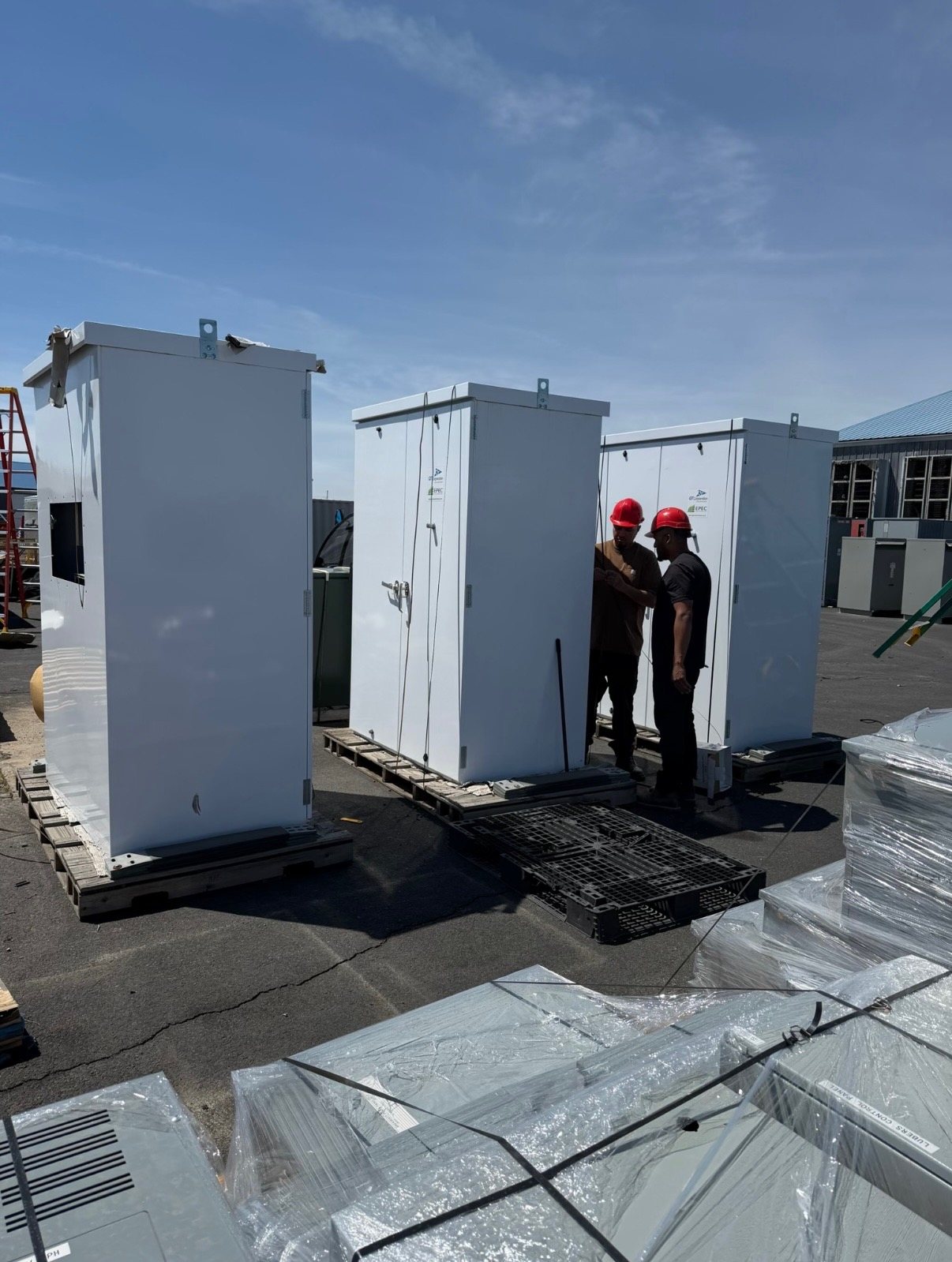
State whether the item is a switchboard, panelboard, breaker, motor-control equipment or another type of distribution or control assembly, if known. Describe the number and arrangement of sections, approximate frame or section geometry, and any visible enclosure form using existing drawings or safe exterior views. A wide view can show how sections are grouped; closer exterior images can help convey doors, barriers and apparent layout without opening anything. Geometry and equipment type help a buyer understand what is being offered as a complete assembly versus separate components. Avoid estimating internal construction from an exterior photograph.
List main and feeder devices carefully
Use schedules, one-line drawings, equipment lists or visible exterior labels to identify the main device and feeder devices, including stated frame or rating information where records provide it. Note how many devices are represented and whether labels appear to correspond to specific positions. Distinguish documented details from visual impressions, and do not operate handles or remove covers to verify a device. These particulars help a buyer assess the configuration and compare it with the broader assembly description. If the records are incomplete, identify the missing information instead of filling gaps with assumptions.
Note trip units, controllers and mounting
If existing documentation identifies a trip unit or controller, record its exact designation and any revision or accessory identifiers shown in the records or safely visible on an exterior label. Describe mounting style only when it is clear from drawings or an unobstructed exterior view; avoid claiming that a component is interchangeable or suitable for a specific application. For control equipment, note labels that identify the controller separately from the overall assembly. These details can materially shape a review of legacy GE equipment, while uncertainty should remain explicit rather than being resolved through unqualified inspection.
Inventory loose parts and arrange review
Create a separate list of loose parts, such as documented accessories, spare devices or associated components, and identify each by its own label where possible. Say whether an item is included, stored separately or merely referenced in records; do not imply completeness without an inventory. Send the available identifiers, configuration notes and safe exterior photographs together so the buyer can review the equipment as offered. Testing by the seller is not required. After assessment, an offer may be made, but acceptance is not guaranteed. If agreed, Louisiana Switchgear Buyer handles and pays for qualified disconnection, rigging, loading and transport.
Buyer notes
Send the facts that move the review forward.
Include the nameplate, lineup or device photos, approximate quantity, visible condition and where the equipment is located. We buy equipment; we do not sell replacement gear or represent a test result that has not been provided.
Start with the nameplate
Request a quote
Tell us what you have. We buy switchgear from decommissioned data centers, shut-down power plants and other facilities. Crane, rigging, disconnects, loading, freight and hauling are on us. You do nothing but get paid.