Selling surplus Siemens electrical equipment starts with a clear account of what is actually included—not an assumption that every item carrying the brand name belongs to one compatible series. Record exact markings and visible configuration details across switchgear, switchboards, panelboards, breakers, and controls. Louisiana Switchgear Buyer reviews the equipment before making an offer; acceptance is not guaranteed. You do not need to test it. If a transaction is agreed, we arrange and pay for qualified removal, loading, and transportation.
Define the lot before describing it
List each major assembly and any separately stored equipment you want considered: switchgear sections, switchboards, panelboards, breakers, motor-control equipment, or controls. Identify which items are connected assemblies and which are loose, spare, or removed from service. A group of Siemens-branded components is not necessarily a single series or a compatible package. If equipment from other manufacturers is mixed in, note that distinction rather than grouping everything under Siemens. A simple inventory helps prevent confusion about what is included in an offer and gives the reviewer a basis for assessing the lot as presented.
Capture the series and identity markings
Photograph nameplates and labels clearly, then transcribe the exact wording rather than shortening or correcting it. Include the series or family designation, catalog or model number, and serial or asset identifier when available and appropriate. Record legacy markings, revision labels, and accessory identifiers that appear on the equipment or its documentation. Different markings may identify the assembly, a breaker, a trip unit, or an accessory rather than the complete lineup. Keep each image associated with the item or section it shows. These details support identification; a Siemens name or a partial model number alone does not establish compatibility or configuration.
Describe the physical configuration
For each lineup or assembly, note the equipment type, number of sections, and visible frame or section geometry. Describe the main and feeder devices by their displayed labels or ratings where those can be read without disturbing the equipment. Identify visible trip units or controllers by their marked model or family, and note the apparent mounting style. Do not infer that two devices interchange because their cases look alike or share a brand. If a marking is obscured, inaccessible, or uncertain, say so and leave inspection to qualified personnel. Clear uncertainty is more useful than a guessed rating or configuration.
Separate included parts from missing details
Make an included-parts list for loose breakers, trip units, controllers, mounting hardware, busway pieces, doors, or other accessories being offered with the main equipment. State whether each part is installed, stored separately, or only believed to be associated with a particular section. Mention known omissions, such as removed devices or missing covers, without trying to fill gaps by assumption. If paperwork, drawings, or prior asset records are available, identify them as records rather than proof that the present configuration matches them. The reviewer can then distinguish a complete lot from equipment offered with loose or incomplete components.
Flag unknowns that affect review
Series identity, revisions, device combinations, and accessory details can affect how a Siemens assembly is evaluated. Note unreadable nameplates, conflicting labels, undocumented changes, uncertain associations between loose parts and sections, or a serial number that cannot be confirmed. You do not need to resolve these questions by opening compartments or handling electrical components. Do not energize, test, disconnect, or dismantle equipment to produce additional information. Electrical inspection and any isolation work belong to qualified professionals. A candid record of what is known and unknown allows review to proceed without presenting an unverified unit as tested, complete, or operational.
Provide useful documentation without overclaiming
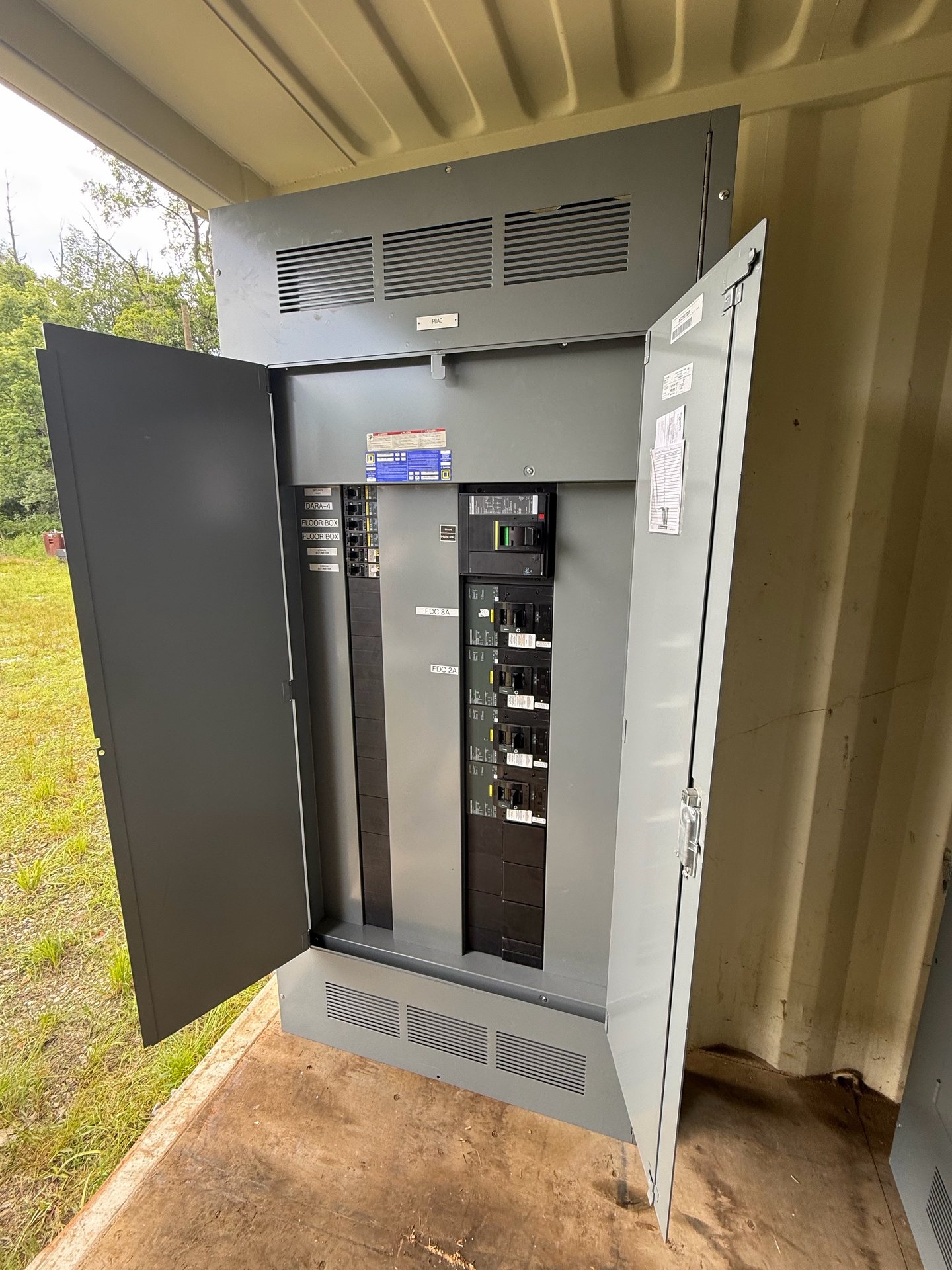
A practical submission can include an inventory, overall views of each lineup, close photographs of accessible nameplates, and images of loose items laid out for identification. Use neutral filenames or item numbers so the photos correspond to the lot list. Include available manuals, drawings, or maintenance records if they are already on hand, and distinguish recorded information from current visual observations. Avoid relying on a single cover label when individual sections or devices carry their own identifiers. No seller testing is required for review. The material helps establish what is offered; it does not substitute for assessment of the actual equipment.
Coordinate recovery after assessment
Once the equipment has been assessed, Louisiana Switchgear Buyer may make a cash offer; acceptance is not guaranteed. If both sides agree to a transaction, the agreed scope should identify the Siemens equipment and any included loose parts so the recovery plan matches the lot. We handle and pay for qualified disconnects, crane and rigging work where needed, loading, freight, and hauling. Do not attempt electrical isolation, lifting, or removal yourself. Those tasks require qualified professionals, and our coordinated recovery keeps the seller’s role focused on identifying the equipment and confirming what is included.
Use the same review approach for legacy stock
Older Siemens equipment may carry legacy wording, revised labels, or identifiers that differ across sections and components. Preserve those markings in photographs and notes rather than assuming a newer series name or a familiar model family applies throughout. Where several cabinets appear to form a lineup, describe their order and visible identifiers without claiming that the sections are electrically or mechanically compatible. Include breakers and controls only when they are part of the proposed lot, and identify their locations or storage separately. This careful series-level record supports a more informed review while keeping the offer tied to the equipment actually presented.
Buyer notes
Send the facts that move the review forward.
Include the nameplate, lineup or device photos, approximate quantity, visible condition and where the equipment is located. We buy equipment; we do not sell replacement gear or represent a test result that has not been provided.
Start with the nameplate
Request a quote
Tell us what you have. We buy switchgear from decommissioned data centers, shut-down power plants and other facilities. Crane, rigging, disconnects, loading, freight and hauling are on us. You do nothing but get paid.