If you are clearing surplus electrical equipment at a Baton Rouge facility, a concise record set can help Louisiana Switchgear Buyer assess what may be suitable for purchase. Start with information already available in equipment schedules, drawings, maintenance records, and inventory lists; do not open compartments or approach equipment that is energized. Clear exterior photographs can add useful context. Review is equipment-specific, and an offer is not guaranteed, but accurate details help establish what is present and what removal may involve.
Start with an itemized equipment list
List each assembly or device separately, grouping identical items only when their markings and configuration appear to match. Include the quantity, equipment type, manufacturer as marked, model or catalog number, voltage class, amperage, phase, dimensions, visible condition, completeness, and safe access notes. Record unknown fields as unknown rather than estimating them. Distinguish a complete lineup from individual sections, spare breakers, or loose accessories. This structure helps a buyer understand the mix of assets, compare related equipment, and identify missing information before assessing whether any item is suitable for an offer.
Use existing records to confirm markings
Check available one-line diagrams, equipment schedules, purchase records, asset registers, and prior maintenance documentation for identifying details. These records may clarify a model number that is difficult to read in a photograph or show how sections were configured. Treat records as supporting information, not proof that equipment remains in a particular condition or is operational. Note when a document describes a past configuration or when its connection to the listed item is uncertain. For equipment removed from service, a shutdown or decommissioning inventory can also help connect recorded assets with the assemblies still on site.
Capture exterior photographs safely
Photographs should show what can be viewed from a safe, authorized position without touching equipment, removing covers, or entering restricted areas. A wide context view can show the assembly’s general arrangement; frame it without address details or customer signage. Add a full exterior view of each lineup or major item, followed by readable nameplate images where visible. Representative device photographs can help distinguish installed breakers or controls. Photograph loose accessories beside a scale reference, keeping them separate from equipment where their association is uncertain. If a marking cannot be safely or clearly captured, record that limitation instead.
Describe condition and completeness objectively
Use plain observations such as “exterior paint worn,” “door visibly dented,” or “several sections appear present,” and separate visible facts from assumptions. Do not describe equipment as tested, functional, or ready for reuse unless reliable records support that statement; a buyer can review the available evidence independently. Record whether doors, covers, and external trim appear present, and identify known missing sections or loose parts. For breakers and other removable devices, note quantities and markings if these are visible without access to hazardous areas. Honest condition notes help set realistic expectations and focus follow-up questions.
Include measurements and access notes
Provide overall dimensions from existing drawings, asset records, or measurements already taken by qualified personnel. If a figure is approximate, label it accordingly; avoid approaching equipment or attempting to measure around electrical hazards. Note the number of visible sections, approximate lineup length when documented, and any known shipping or handling constraints. Safe access notes might describe restricted site access, an unusually narrow route reported by facility staff, or whether equipment remains in place. Do not disconnect, move, dismantle, or prepare gear for lifting. Louisiana Switchgear Buyer handles and pays for qualified disconnects, rigging, loading, freight, and hauling on agreed transactions.
Identify equipment across different categories
An inventory may include switchgear, switchboards, motor control centers, panelboards, busway, automatic transfer switches, breakers, or unit substations. Use the designation shown on existing records or labels, and list uncertain classifications as such rather than forcing a match. Include voltage class and amperage where documented, since these help distinguish equipment that may look similar externally. Note whether a listed breaker is installed in an assembly or stored separately. Equipment from a decommissioned data center or shut-down power plant can be included for review; its origin alone does not establish condition, completeness, or purchase suitability.
Submit a useful review package
Send the itemized list with the photographs and any relevant records together, using consistent item numbers so each image and document can be matched to its equipment. Flag uncertain model numbers, missing accessories, and information drawn from older records. Mention whether gear is still installed or has already been removed by qualified personnel, and identify any site access limitations without attempting to resolve them yourself. Louisiana Switchgear Buyer assesses equipment before making an offer and may make a cash offer for suitable surplus assets. Seller testing is not required. Acceptance is not guaranteed, and payment is made upfront on agreed transactions.
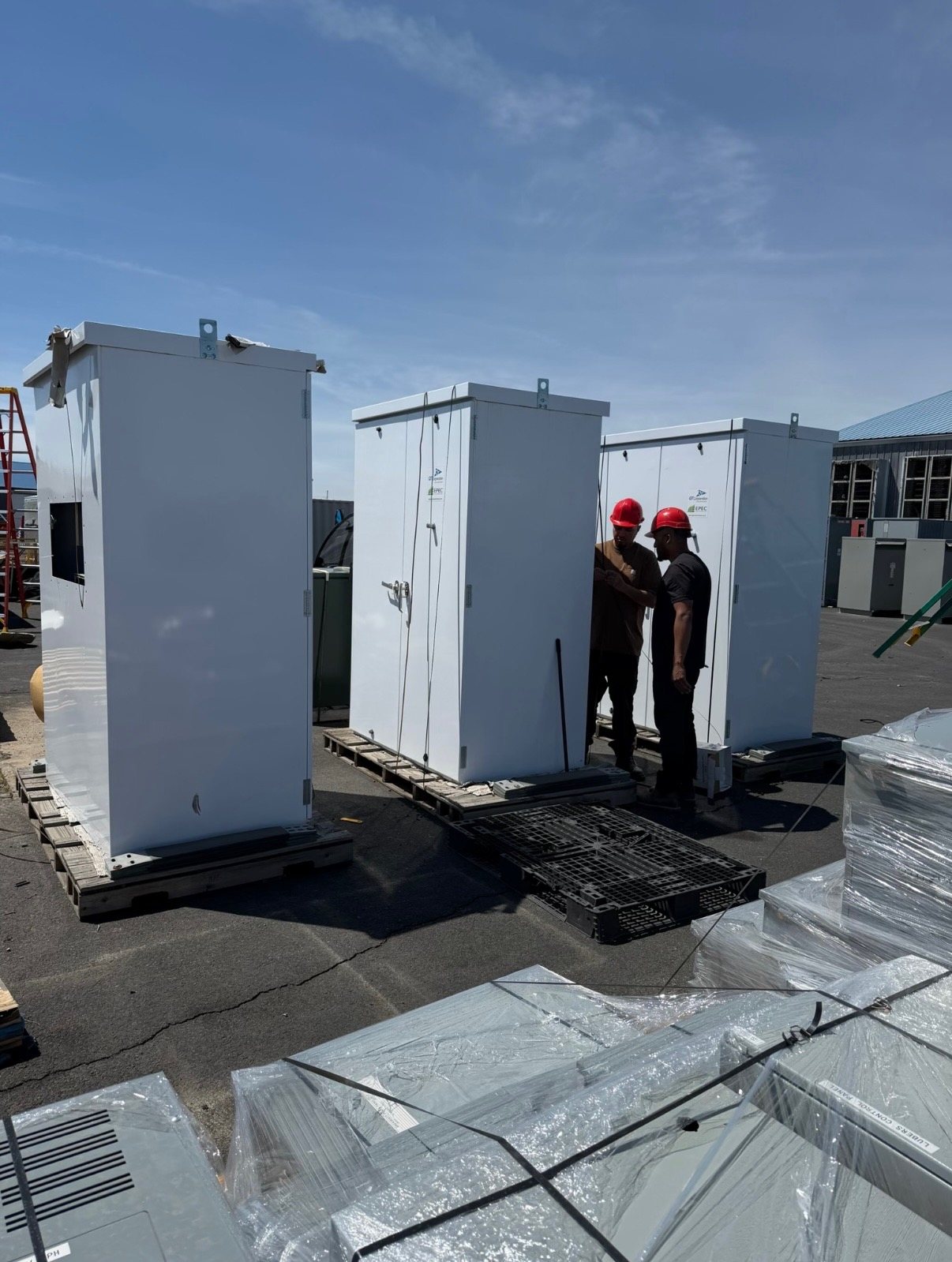
Buyer notes
Send the facts that move the review forward.
Include the nameplate, lineup or device photos, approximate quantity, visible condition and where the equipment is located. We buy equipment; we do not sell replacement gear or represent a test result that has not been provided.
Start with the nameplate
Request a quote
Tell us what you have. We buy switchgear from decommissioned data centers, shut-down power plants and other facilities. Crane, rigging, disconnects, loading, freight and hauling are on us. You do nothing but get paid.