If you have surplus electrical equipment in Allen Parish, a clear inventory helps a buyer decide what belongs in the proposed lot and what requires closer review. Include the equipment’s identifying marks, basic ratings, visible condition, completeness, and safe access information. You do not need to test equipment or arrange its removal; Louisiana Switchgear Buyer assesses submissions before making an offer.
Define the lot before describing it
List each assembly or equipment group you may sell, rather than treating everything in a room or yard as one item. A lot might include switchgear, a switchboard, motor control centers, panelboards, busway, automatic transfer switches, breakers, or a unit substation. Note which pieces are connected as part of an assembly and which are separate or loose. Include relevant equipment from a decommissioned data center or shut-down power plant as well. A defined lot lets the buyer review scope and completeness without assuming every nearby component is included.
Record identifying details and ratings
For each identifiable item, record quantity and manufacturer as marked, then copy the model or catalog number if it is visible. Add voltage class, amperage, and phase when the information is available from existing records or safely visible markings. Keep uncertain details marked as unknown instead of estimating from appearance. These fields help distinguish equipment that may look similar but have different ratings or configurations. You can send a separate line for each assembly, device, or group of identical items, while noting any exceptions in the group.
Describe condition without testing
Report only what you can observe or establish from records: visible damage, corrosion, missing covers, apparent modifications, or signs that parts are absent. Note whether the equipment is presented as complete, incomplete, or of uncertain completeness. Do not open energized compartments, handle electrical components, or perform tests for the submission. Louisiana Switchgear Buyer does not require seller testing. If condition cannot be confirmed, say so plainly; an unverified item should not be represented as operational. The equipment is assessed before an offer, and submitting it does not guarantee acceptance.
Use photographs to clarify, not replace, records
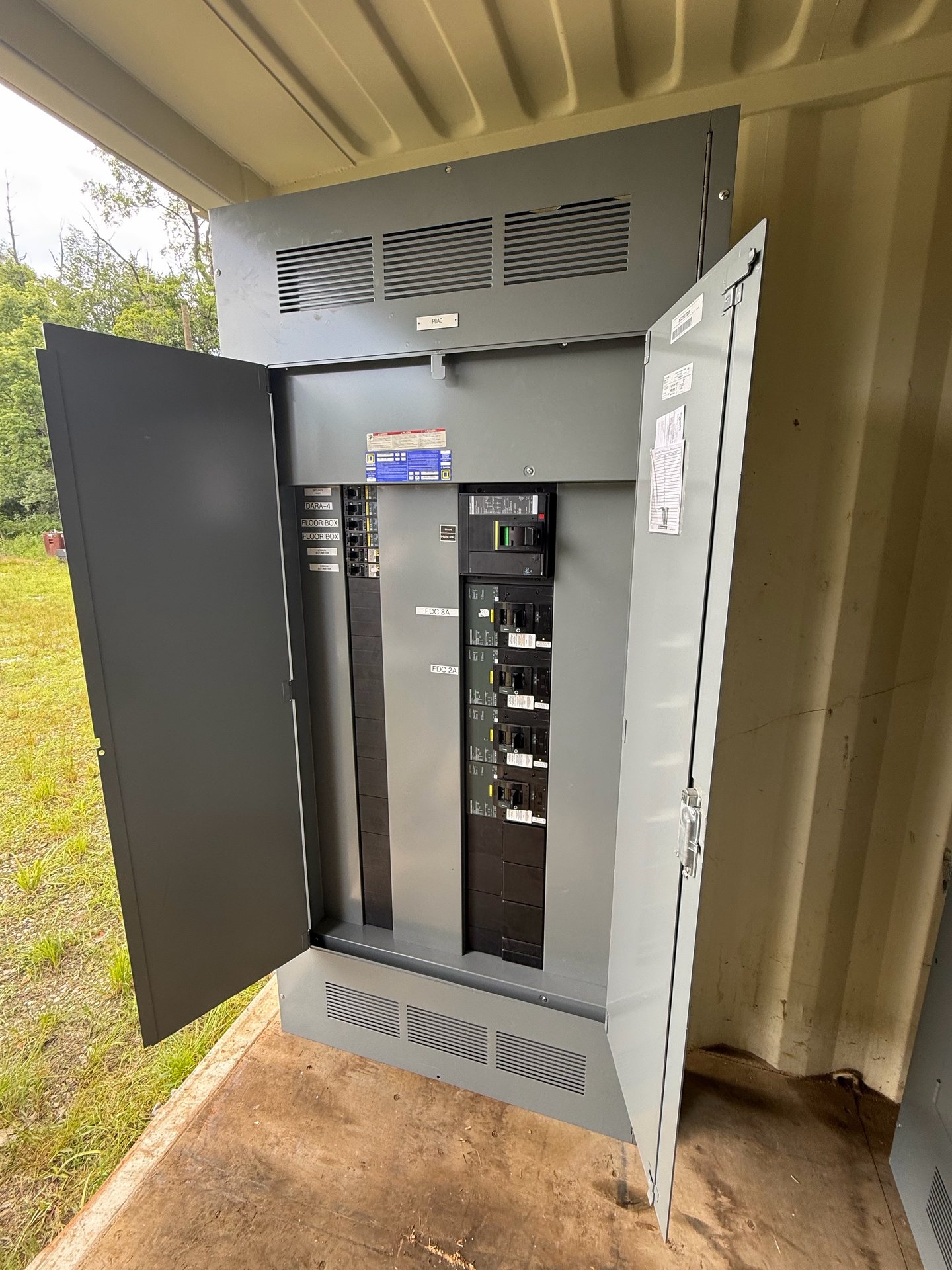
Useful images include a wide context view with address and customer signage out of frame, a readable nameplate where safely accessible, and a full-assembly view. Add representative-device photographs and images of loose accessories beside a scale reference. Keep each image tied to an inventory line so reviewers can tell which assembly it shows. Do not move covers or equipment to obtain a photograph, and do not enter a restricted or unsafe area. If a nameplate is obscured or unreadable, note that limitation rather than trying to expose it.
Flag dimensions, access, and unknowns
Provide approximate dimensions for assemblies when known, and distinguish measurements from estimates. Describe safe access notes that affect review or removal: whether the equipment is indoors or outdoors, whether it is on a floor or platform, and any known doorway, aisle, loading, or lifting constraints. Identify uncertain weights, disconnected status, missing components, or unclear lot boundaries. Do not inspect electrical connections or attempt to establish isolation. Qualified professionals must handle electrical work, lifting, rigging, and isolation; access notes help plan a review without asking you to do that work.
Include related equipment and loose parts
Consider the full sale scope, not just the main lineup. Breakers, drawers, control devices, bus sections, and other accessories may affect whether an assembly is complete or how it should be valued. List loose parts separately, with quantity and any visible identifying marks, and connect them to a particular assembly only when that relationship is known. Include busway sections or transfer equipment as their own lines when appropriate. Avoid combining unrelated items into an unexplained pile; clear grouping makes it easier to review what is offered and what remains outside the lot.
Plan recovery with the buyer
After reviewing the information, Louisiana Switchgear Buyer may make a cash offer for equipment it can accept. If both sides agree to a transaction, payment is made upfront under the agreed terms. The buyer handles and pays for qualified disconnects, crane and rigging, loading, freight, and hauling; sellers should not perform electrical or rigging work. Coordinate safe access and site contact arrangements without touching the equipment. The buyer purchases equipment across voltage classes and does not require seller testing, but each submission is assessed before an offer and acceptance is not guaranteed.
Buyer notes
Send the facts that move the review forward.
Include the nameplate, lineup or device photos, approximate quantity, visible condition and where the equipment is located. We buy equipment; we do not sell replacement gear or represent a test result that has not been provided.
Start with the nameplate
Request a quote
Tell us what you have. We buy switchgear from decommissioned data centers, shut-down power plants and other facilities. Crane, rigging, disconnects, loading, freight and hauling are on us. You do nothing but get paid.