If you are preparing surplus ABB electrical equipment for review, start by recording what the nameplate actually says and how the equipment is configured. ABB appears across low- and medium-voltage distribution, protection and motor-control equipment, but the brand alone does not identify a particular unit or establish its condition. Clear identity details, configuration notes and photographs help distinguish equipment that can otherwise look similar and support a more informed assessment for a potential sale.
Capture the nameplate wording accurately
Record the exact nameplate wording, including capitalization, punctuation, abbreviations and any product-family terms. Note the catalog or model number and, where appropriate, the serial number or your own asset identifier. Photograph the plate straight on with enough resolution to read small characters; take a second image that shows where the plate sits on the equipment. Do not infer missing characters from a similar unit or substitute a remembered model name. If a plate is dirty, damaged or partly obscured, describe that limitation rather than attempting a hazardous cleanup. Accurate transcription gives a reviewer a starting point for identifying the equipment without treating a brand mark as a complete specification.
Separate product identity from configuration
The nameplate may identify a series or family, but it does not necessarily describe every installed option or the equipment’s present arrangement. Add the equipment type, such as switchgear section, breaker, motor-control center, switchboard or another assembly, and record visible frame or section geometry. Note the main and feeder devices, trip unit or controller markings, and mounting style where identifiable from existing labels or accessible exterior views. ABB equipment can serve different distribution, protection and motor-control roles, so two units bearing the same broad brand or family wording may not be interchangeable. Keep observed details distinct from assumptions, and flag features you cannot confirm.
Include revision, legacy and accessory identifiers
Look for revision markings, accessory identifiers, legacy labels and other manufacturer or site asset tags that may clarify the unit’s history or configuration. Preserve the wording as found, even when a marking appears outdated or differs from the primary plate. Photograph each identifier separately and, when possible, include a wider view that connects it to the relevant section or device. Record included loose parts as a separate list: for example, items stored with the equipment rather than installed in it. Do not assume a loose component belongs to a particular assembly without a clear basis. These details help reviewers understand what is present and what may require further identification.
Build a useful visual record safely
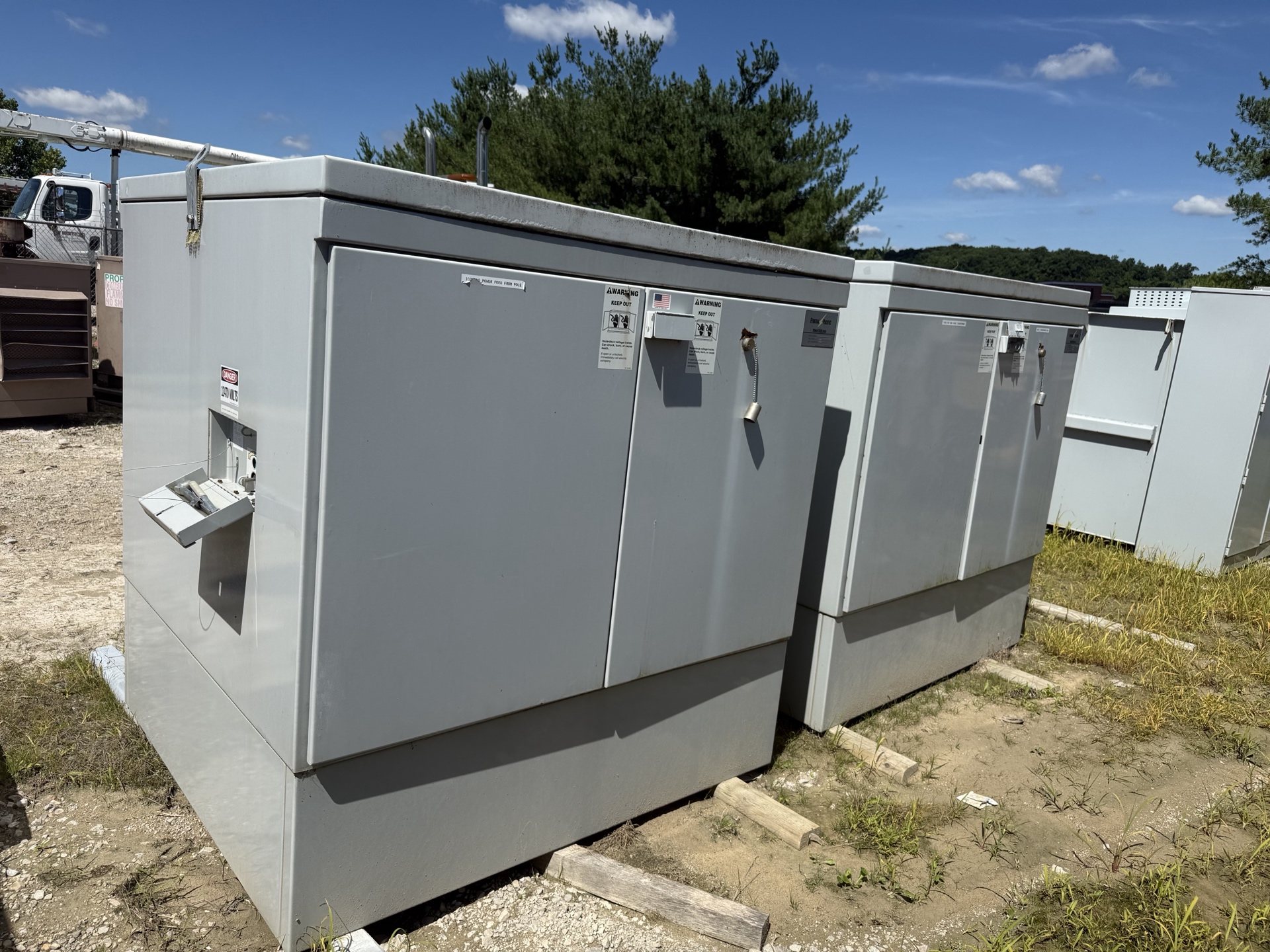
Take exterior photographs of each face, section, door and visible device label from safe positions. Include overall views that show the assembly’s arrangement, then closer images of nameplates, breaker labels, controller markings and loose-part groups. Keep descriptions factual: note visible damage, missing covers or incomplete documentation without claiming that equipment is functional or tested. Do not open energized compartments, remove covers, operate devices or touch electrical components to obtain a better view. If an image requires access to a restricted or hazardous area, leave it to qualified personnel. Louisiana Switchgear Buyer requires no seller testing; existing records and safely obtained documentation can accompany the review.
Organize sections and associated devices
For multi-section equipment, assign each section a simple identifier and make a list linking that identifier to its visible labels, geometry and associated devices. Note which devices appear to be main or feeder units only when markings or existing records support the description. Record whether a breaker is installed, stored separately or not accounted for, and list trip units, controllers and accessories by their visible identifiers. A concise inventory prevents a mixed lineup from being described as one uniform model when sections differ. Avoid dismantling or rearranging equipment to improve the inventory. Where relationships are uncertain, say so; a qualified review can determine whether components belong together.
Submit the inventory for an equipment review
Provide the nameplate transcription, configuration notes, photographs and any available asset records together. Include the quantity of each item, its general location within your facility and whether the equipment is assembled, separated or stored with loose parts. If documentation conflicts—for example, an asset record gives a different model than the plate—show both sources and identify where each came from. This gives Louisiana Switchgear Buyer information to assess the equipment before making an offer. ABB branding by itself does not establish identity, completeness, condition or resale suitability, and acceptance is not guaranteed. No seller test is required, and you should not energize equipment to produce one.
Consider the sale and removal sequence
After review, a potential transaction depends on the equipment details and the assessment; if an offer is made, you can consider its terms before deciding whether to accept. For an agreed purchase, payment is made upfront. Once the transaction is arranged, Louisiana Switchgear Buyer handles and pays for qualified disconnects, crane and rigging work, loading, freight and hauling. Do not disconnect, lift or prepare electrical equipment yourself. Work involving isolation, electricity or lifting must be performed by qualified professionals. Confirm which listed sections and loose parts are included in the agreed scope so the inventory and removal plan refer to the same assets.
Keep records through recovery
Before removal, retain copies of the accepted equipment list, nameplate images, asset identifiers and any applicable transaction records. Use the agreed scope to distinguish the equipment being recovered from other installed or stored assets, especially where adjacent sections look similar. Coordinate site access and scheduling through the people responsible for your facility and the removal arrangement; do not direct unqualified staff to handle electrical work or rigging. During recovery, qualified personnel perform the disconnect and handling, while you can use the inventory to confirm the intended equipment group. Clear records help close out surplus ABB assets without relying on brand name alone or making unsupported claims about operating condition.
Buyer notes
Send the facts that move the review forward.
Include the nameplate, lineup or device photos, approximate quantity, visible condition and where the equipment is located. We buy equipment; we do not sell replacement gear or represent a test result that has not been provided.
Start with the nameplate
Request a quote
Tell us what you have. We buy switchgear from decommissioned data centers, shut-down power plants and other facilities. Crane, rigging, disconnects, loading, freight and hauling are on us. You do nothing but get paid.