Independence in a Cutler-Hammer equipment review means documenting what is actually present without relying on assumptions about age, compatibility, or condition. Whether you are clearing a plant, consolidating surplus, or handling equipment from a decommissioned facility, a precise record helps separate identifiable gear from unresolved details. Louisiana Switchgear Buyer reviews used, surplus, and decommissioned equipment before making an offer; acceptance is not guaranteed.
Define the lot before describing it
Start by stating which items are included and where the lot begins and ends. A Cutler-Hammer motor control center lineup, a standalone switchboard section, loose breakers, and spare trip units may need separate entries rather than one broad description. Note whether equipment is offered as a complete assembly or as individual sections, and identify any items excluded from the sale. This boundary matters during an independent review: it lets the buyer assess the same material you intend to transfer and reduces confusion about accessories, loose parts, or equipment left outside the lot.
Preserve the exact legacy identity
Record the wording visible on each nameplate or label as written, including Cutler-Hammer spelling, punctuation, and any older brand marks. Add the series or family, catalog or model number, and serial or asset identifier when legible and appropriate. Include revision codes and accessory identifiers if they appear on labels or documents. Do not replace an uncertain character with a guess; mark it as unclear and provide a close, readable photograph for review. Legacy branding can appear alongside later markings, so preserve both rather than treating one as proof of a particular configuration or history.
Describe physical configuration, not assumptions
For each assembly, identify its equipment type and visible arrangement: lineup or section count, approximate frame or section geometry, and whether the gear is floor-mounted, wall-mounted, or otherwise configured. List main and feeder devices separately when their labels can be read. Record visible trip-unit or controller identifiers and note included loose parts, such as separately stored breakers or accessories. Avoid calling a device interchangeable, complete, or suitable for a specific application unless the documentation supports that statement. A neutral configuration record helps the buyer evaluate the actual combination without assuming compatibility from the brand name alone.
Separate known facts from unresolved details
An independent review is more useful when uncertainty is explicit. If a model number is partly obscured, a trip unit is missing, a section has been separated from its lineup, or the included parts are not fully inventoried, say so. Note whether identification comes from a nameplate, an asset tag, a drawing, or a prior inventory; these sources may describe different levels of detail. Unknown operating condition is not the same as verified condition. No seller testing is required for review, and you should not open energized compartments or attempt electrical checks to fill gaps.
Use photographs and records as supporting evidence
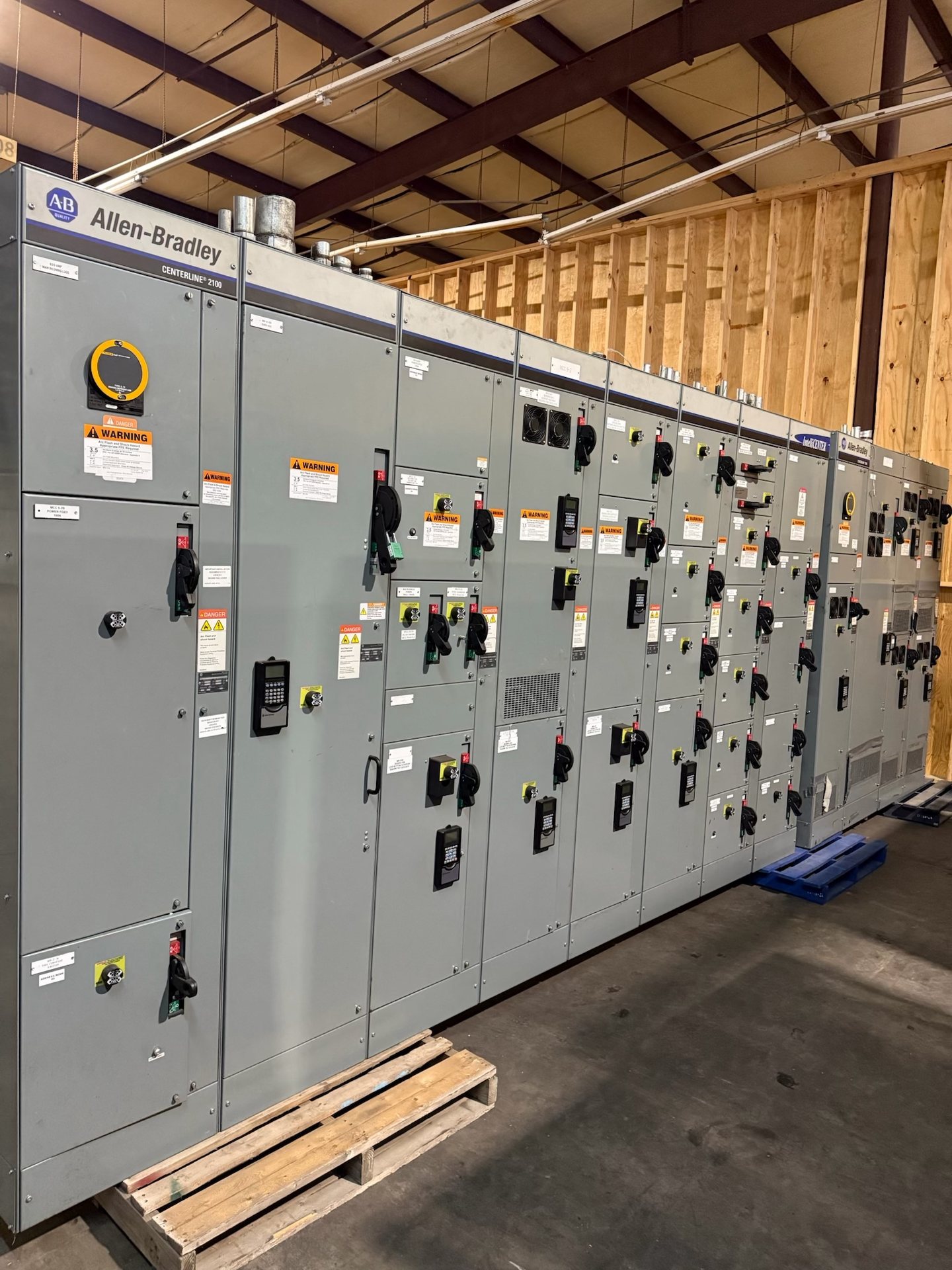
Provide clear images of accessible exterior nameplates, overall lineup arrangement, visible device labels, and the loose parts included in the lot. Keep each image tied to an item or section number so details can be matched to your written list. Existing drawings, inventories, or maintenance records may help explain the layout, but distinguish records from current visual identification and note any apparent mismatch. Do not remove covers or approach energized equipment to obtain a better image. Qualified personnel should determine safe access and isolation; the review can proceed with the information that can be gathered safely.
Understand what affects the offer review
The buyer assesses the equipment before deciding whether to make an offer. Exact identity, configuration, completeness, and the relationship between sections and loose devices can all affect that assessment. Missing labels or unclear boundaries may prompt questions; they do not establish a particular value or guarantee acceptance. Provide the location and handling context, including whether the gear is assembled, staged, or still installed, without attempting to disconnect or move it yourself. The buyer purchases used, surplus, and decommissioned equipment across voltage classes, but each lot is reviewed on its own information and circumstances.
Plan recovery through qualified coordination
If a transaction is agreed, Louisiana Switchgear Buyer pays upfront under the agreed terms and handles and pays for qualified disconnects, crane and rigging work, loading, freight, and hauling. Do not arrange seller-performed electrical work, lifting, or removal as a substitute for that coordination. Electricity, isolation, and heavy equipment handling belong to qualified professionals. Before recovery is scheduled, keep the lot description aligned with what will be transferred and flag any change in included sections or accessories. Clear documentation supports a coordinated handoff, while the buyer determines acceptance after reviewing the equipment.
Buyer notes
Send the facts that move the review forward.
Include the nameplate, lineup or device photos, approximate quantity, visible condition and where the equipment is located. We buy equipment; we do not sell replacement gear or represent a test result that has not been provided.
Start with the nameplate
Request a quote
Tell us what you have. We buy switchgear from decommissioned data centers, shut-down power plants and other facilities. Crane, rigging, disconnects, loading, freight and hauling are on us. You do nothing but get paid.