A configuration review helps establish what an Eaton electrical assembly includes before you request an offer. Record the exact markings and describe the arrangement of sections, devices, controls, mounting, and loose parts. These details can distinguish equipment that looks similar but differs in fit or completeness. Louisiana Switchgear Buyer assesses used, surplus, and decommissioned equipment; identification supports review but does not establish condition or guarantee acceptance.
Start with the equipment’s identity
Copy the nameplate wording as it appears, including the Eaton name, series or family, catalog or model number, and any serial or asset identifier appropriate to the item. Note legacy markings that may differ from current labels, along with revision and accessory identifiers. A lineup may contain sections with different labels, so record each section separately rather than treating one nameplate as representative of the entire assembly. If a marking is obscured or inaccessible, say so; do not remove covers or approach energized equipment to obtain it. Clear records reduce ambiguity during assessment.
Describe the lineup and its geometry
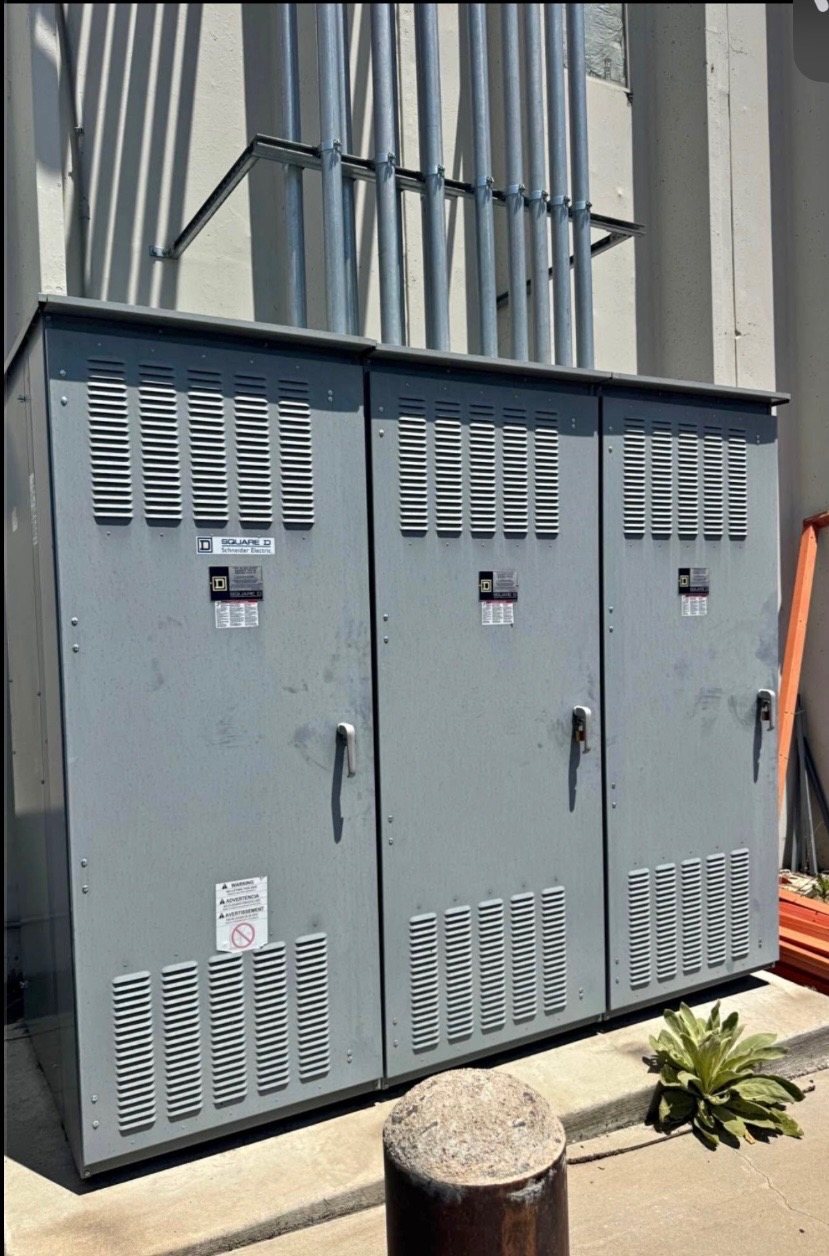
State whether the item is a switchboard, switchgear lineup, motor control center, panelboard, or another assembly, using the nameplate and records where available. For a multi-section lineup, list the number and apparent order of sections, approximate overall dimensions if already documented, and visible enclosure or mounting arrangement. Note whether sections are freestanding, wall-mounted, or part of a larger installation. Configuration affects handling and the value of a complete assembly, but appearance alone cannot confirm compatibility, ratings, or internal construction. Leave measurements that require entering restricted areas to qualified personnel.
Inventory main and feeder devices
Make a section-by-section list of the visible main and feeder breakers or other switching devices. Record labels, catalog numbers, frame markings, and quantities when readable from existing records or safe external views. Distinguish a populated section from an empty position, and identify any device that is visibly absent without assuming why it was removed. Breaker frame and trip details matter: a similar-looking device may not be interchangeable. Do not open energized compartments, remove barriers, or handle devices to identify them. A qualified professional must manage any access that requires isolation or internal inspection.
Capture trip units and controllers
For each device with a visible trip unit, controller, or control face, note its displayed model or family, markings, and whether it appears included with that breaker or section. Record accessible accessory identifiers, such as labels on documents or exterior tags, rather than trying to expose hidden components. Do not infer settings, operating status, or functionality from a display or a previous service record. If the trip unit is missing, unreadable, or detached, describe that plainly. Configuration is one element of the review; the equipment is assessed before an offer, and no operational claim follows from identification alone.
Separate installed items from loose parts
List loose breakers, trip units, relays, handles, drawers, mounting hardware, and other accessories separately from items installed in the assembly. Include visible part numbers, quantities, and whether each item is boxed, tagged, or otherwise associated with a particular section. If ownership or association is uncertain, mark it as unconfirmed instead of grouping it with the lineup. Photographs of safely accessible exterior labels and organized loose parts can help clarify the inventory. Do not retrieve parts from electrical spaces or move heavy components for photographs; Louisiana Switchgear Buyer handles removal and associated loading and hauling.
Document condition and access limits
Report what can be observed without disturbing the equipment: missing doors, visible damage, corrosion, water staining, altered labels, or sections believed to be incomplete. Identify which nameplates and components could not be viewed, and explain any access restrictions, such as equipment remaining in a secured room or connected installation. Do not describe the assembly as tested or operational unless supported by appropriate records, and do not perform tests for the sale. Electrical isolation, inspection inside compartments, lifting, rigging, and disconnect work belong to qualified professionals; the seller should not undertake those tasks.
Send the record for assessment
Provide the identity notes, section sequence, device inventory, loose-parts list, known documentation, and clear exterior photographs through the buyer’s inquiry process. Mention whether the Eaton equipment came from a facility that is closing or being decommissioned, and whether it is stored or still installed. Louisiana Switchgear Buyer reviews the equipment before making any offer; submission does not guarantee acceptance. If terms are agreed, payment is made upfront, and the buyer handles and pays for qualified disconnection, crane and rigging work, loading, freight, and hauling. No seller testing is required.
Buyer notes
Send the facts that move the review forward.
Include the nameplate, lineup or device photos, approximate quantity, visible condition and where the equipment is located. We buy equipment; we do not sell replacement gear or represent a test result that has not been provided.
Start with the nameplate
Request a quote
Tell us what you have. We buy switchgear from decommissioned data centers, shut-down power plants and other facilities. Crane, rigging, disconnects, loading, freight and hauling are on us. You do nothing but get paid.