When preparing surplus Eaton electrical equipment for review, start with what can be identified and what remains uncertain. Exact nameplate wording, model details, breaker configuration and included parts can affect how a lineup is assessed. Louisiana Switchgear Buyer considers used, surplus and decommissioned equipment across voltage classes, including assets from closed facilities. An offer follows equipment review; acceptance is not guaranteed.
Define the lot before describing it
List the equipment you intend to include, separating complete assemblies from loose components and unrelated material. A lot might contain a switchboard section, breakers removed from that section, and documented spare parts; identify each group rather than presenting everything as one undifferentiated Eaton lot. Note quantities and visible relationships, such as which breaker belongs with which lineup or section, when known. If ownership or inclusion of an item is uncertain, flag that instead of treating it as part of the sale. A clear boundary helps review focus on the assets actually offered.
Capture identity without guessing
Transcribe the exact nameplate wording where it is safely visible, including series or family, catalog or model number, and serial or asset identifier when appropriate. Preserve punctuation, prefixes and suffixes; similar Eaton catalog references can distinguish different designs or ratings. Record legacy markings and revision or accessory identifiers as well. If a plate is missing, obscured or unreadable, state that plainly and provide any other visible labels. Do not infer a model from appearance or from a nearby device. Photographs of accessible labels can support a record, but must not require opening energized compartments or touching equipment.
Describe the assembly and its geometry
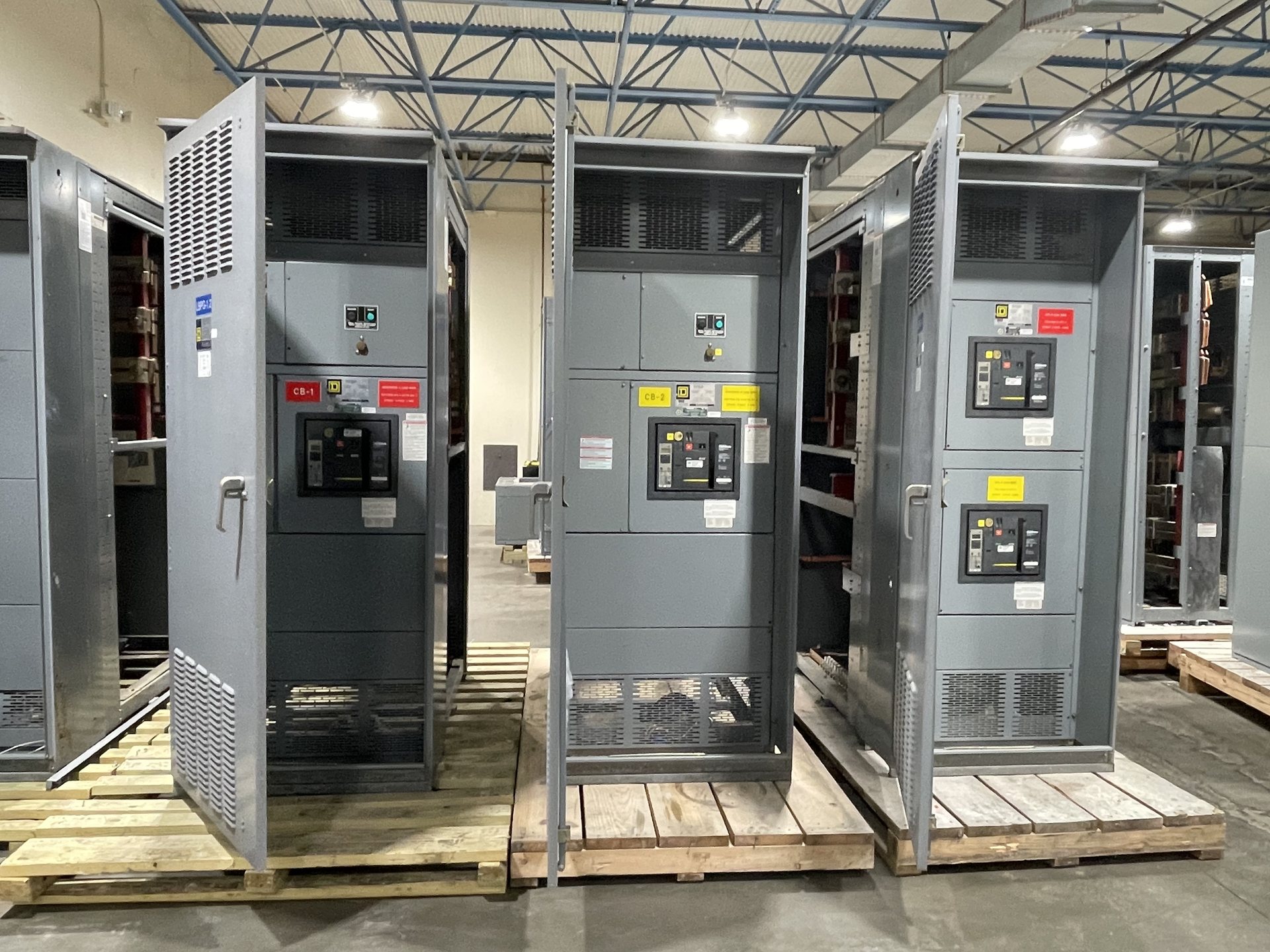
Identify whether each asset is a switchboard, switchgear lineup, motor control center, panelboard, breaker, transfer switch or another equipment type. For assemblies, note the number of sections, approximate dimensions if already documented, and visible arrangement. Frame or section geometry matters because a product family alone does not establish how a unit fits a lineup. Describe whether the equipment is floor-mounted, drawout, fixed-mounted or another mounting style only when the configuration is known. Include visible main and feeder positions, but distinguish observed details from information taken from old drawings or records.
Separate known configuration from open fields
For each main or feeder device, record available frame information and trip-unit or controller identification, without assuming that a breaker’s outer label describes its installed internals. Note blank spaces, replaced devices, missing covers, apparent modifications and unidentified components as observations, not conclusions about condition or operation. If a trip unit, controller, rating plug or accessory cannot be identified, mark that field unknown. The same applies to lineup generation and compatibility. These gaps can affect evaluation and should remain visible in the description rather than being filled with a best guess.
Account for loose parts and records
Make a separate inventory of included loose breakers, trip units, controllers, mounting hardware, barriers, doors and other accessories. Record markings and quantities when legible, and indicate whether parts are installed, stored nearby or simply believed to belong with the equipment. Drawings, schedules, maintenance records and prior asset lists can help explain configuration, but note their date and whether they match the present lineup. Do not describe a loose part as compatible solely because it carries the Eaton name. A concise parts list reduces ambiguity about what is being offered and what is absent.
Use evidence carefully when condition is unknown
Describe what is visible and documented, not what cannot be established from appearance. State whether labels are legible, whether sections appear complete, and whether components are visibly absent or damaged. Do not represent the equipment as tested, operational or ready for service unless that status is supported by appropriate records. Seller testing is not required for a review. Electrical inspection, isolation, disconnection and any handling of equipment must be left to qualified professionals; do not open energized compartments or attempt to verify internal details. Unknown condition can be recorded directly without delaying an accurate inventory.
Coordinate review and recovery
Provide the inventory, accessible label photographs, known records and a clear description of unresolved fields for assessment. Louisiana Switchgear Buyer reviews the equipment before making an offer, and acceptance is not guaranteed. If terms are agreed, payment is made upfront for that transaction. The buyer handles and pays for qualified disconnects, crane and rigging work, loading, freight and hauling; sellers should not perform electrical or lifting work. Coordinate access and any site-specific handling requirements with the people responsible for the facility. This approach applies to Eaton equipment as well as surplus assets from decommissioned data centers or shut-down power plants.
Buyer notes
Send the facts that move the review forward.
Include the nameplate, lineup or device photos, approximate quantity, visible condition and where the equipment is located. We buy equipment; we do not sell replacement gear or represent a test result that has not been provided.
Start with the nameplate
Request a quote
Tell us what you have. We buy switchgear from decommissioned data centers, shut-down power plants and other facilities. Crane, rigging, disconnects, loading, freight and hauling are on us. You do nothing but get paid.