Selling surplus Square D equipment begins with clear identification, especially when accessories or loose parts are separated from the main assembly. A nameplate can point to a product family, but it does not establish that a breaker, trip unit, handle, or mounting component fits a particular section. Document the equipment and its included parts as found so Louisiana Switchgear Buyer can review the configuration before considering an offer.
Start with the complete equipment identity
Record the exact nameplate wording rather than relying on a handwritten label or a familiar brand name. Note the equipment type, series or family, catalog or model number, and serial or asset identifier when present. Square D equipment spans multiple distribution families, and accessories that appear similar may not be interchangeable. Include legacy markings, replacement labels, and any revision or accessory identifiers visible without opening energized compartments. If the nameplate is missing, report that directly and photograph remaining exterior markings. Accurate identification helps distinguish a complete assembly from a mixed lot of components whose original application is uncertain.
Describe the assembly before listing accessories
Explain whether the item is a panelboard, switchboard, motor control center, breaker, or another assembly, then describe its basic arrangement. For a panel or switchboard, note the enclosure and section layout, approximate number of spaces or positions, and visible main and feeder devices. For an individual breaker, record its external frame markings and any visible trip-unit identification. Distinguish installed parts from loose accessories stored nearby. A complete lineup with documented sections is different from a partial assembly or a collection of parts, even when the loose items carry matching brand markings.
Separate included parts from possible matches
Make a simple inventory of accessories physically included in the sale: for example, handles, trim, covers, mounting hardware, shutters, auxiliary devices, or spare components. Record each item’s visible catalog, revision, or other identifying mark where legible. Do not describe an accessory as compatible solely because it fits visually or shares a Square D label. If its original location is known, identify the section or device it came with; otherwise mark the relationship as unknown. This distinction lets a reviewer assess the equipment and loose parts without treating an unverified match as a confirmed configuration.
Capture device and mounting details
Accessories often depend on more than the equipment family. Document the main and feeder device types, breaker frame markings, trip unit or controller identification, and mounting style when visible from a safe exterior view. Note whether devices are fixed-mounted, drawout, or arranged in another identifiable format, but do not remove covers or devices to find hidden information. Photograph mounting interfaces only where they are already exposed and safe to view. A seller with a complete panel may have a different review situation from one offering a breaker and loose mounting parts with no known original section.
Photograph condition and configuration clearly
Take well-lit exterior photographs of the nameplate, full equipment front, each section, visible device labels, and loose accessories laid out separately. Add close views of markings that are difficult to read in an overview, and label images so a reviewer can relate a loose part to a known section—or see that the relationship is unknown. Include visible damage, corrosion, missing trim, or incomplete areas rather than framing them out. Do not open energized compartments or handle electrical components for photography. Qualified professionals must manage any isolation or access that requires electrical work.
Explain provenance and gaps without guessing
If the equipment came from a shutdown, renovation, or decommissioning, provide the context you know and identify which accessories were stored with it. Mention missing nameplates, altered labels, mixed storage bins, or uncertain part associations plainly. Avoid filling gaps with assumptions about age, rating, compatibility, operating condition, or whether an accessory is original. Seller records, prior inventories, and asset tags can help connect pieces, but a document should be described as a record, not proof that every listed part is present. No seller testing is required; condition and identity are reviewed from the information available.
Prepare the lot for buyer review
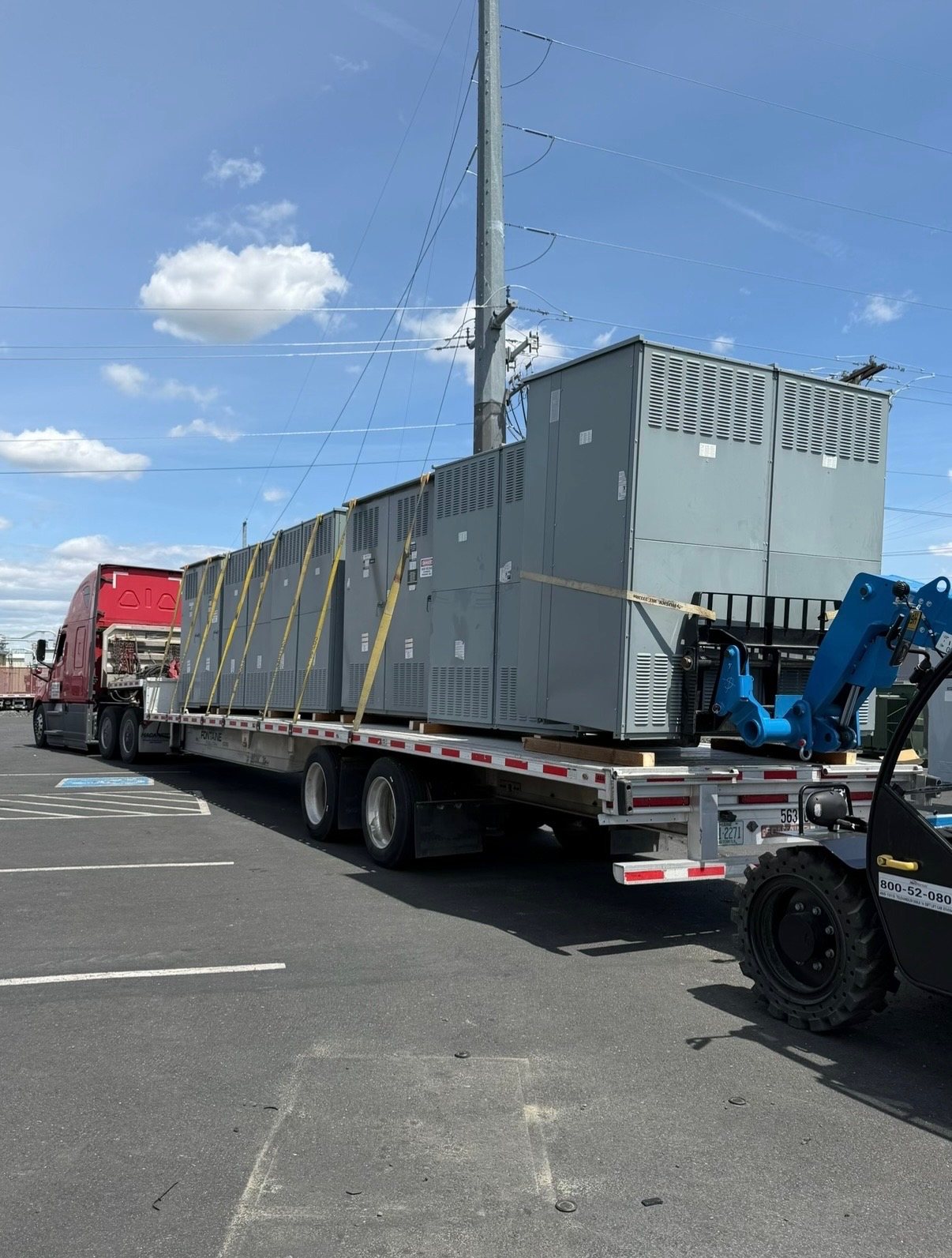
Send the identification notes, configuration description, photographs, and accessory inventory together so the equipment can be assessed as a coherent lot. Louisiana Switchgear Buyer reviews equipment before making an offer, and acceptance is not guaranteed. If terms are agreed, payment is made upfront; the buyer handles and pays for qualified disconnects, rigging, crane work, loading, freight, and hauling. Do not perform electrical disconnection, lifting, or loading yourself. Leave those tasks to qualified professionals arranged for removal. Clear records of what is included help establish the scope of the transaction and avoid confusion over loose Square D accessories.
Buyer notes
Send the facts that move the review forward.
Include the nameplate, lineup or device photos, approximate quantity, visible condition and where the equipment is located. We buy equipment; we do not sell replacement gear or represent a test result that has not been provided.
Start with the nameplate
Request a quote
Tell us what you have. We buy switchgear from decommissioned data centers, shut-down power plants and other facilities. Crane, rigging, disconnects, loading, freight and hauling are on us. You do nothing but get paid.