If you have surplus electrical equipment in Baker, Louisiana, a clear inventory can help determine whether it is suitable for a purchase offer. Start by identifying each assembly, its quantity and marked ratings, then note visible condition, completeness and any access restrictions. Louisiana Switchgear Buyer reviews used, surplus and decommissioned equipment and coordinates removal when a transaction is agreed.
Define the lot before requesting review
List the equipment you want considered, separating distinct assemblies and loose components rather than describing everything as one electrical lot. Possible items include switchgear, switchboards, motor control centers, panelboards, busway, automatic transfer switches, breakers and unit substations. Record how many of each item are present and whether accessories belong with a particular assembly. Include equipment from a facility shutdown or decommissioning if it is part of the available surplus. A defined lot helps reviewers understand its scope; it does not guarantee that every item will be accepted. Keep unrelated material identified separately.
Capture identifying details as marked
For each assembly, transcribe the manufacturer name as it appears on the equipment, along with the model or catalog number where legible. Record voltage class, amperage and phase from available markings; do not estimate ratings from appearance or nearby equipment. If a field cannot be read or is absent, mark it unknown rather than filling in a guess. Add dimensions when they can be obtained safely without disturbing the equipment. These details help distinguish otherwise similar-looking units and support an initial review. A nameplate transcription is useful documentation, not proof that equipment has been tested or is operational.
Describe visible condition and completeness
Report what can be observed from a safe position: exterior damage, corrosion, missing covers, labeling, apparent modifications or other notable conditions. Avoid conclusions about internal condition or serviceability unless supported by records. Note whether doors, sections, devices, control components or accessories appear to be missing, and identify loose parts separately. Representative breakers or other devices may affect how a lot is understood, so specify approximate quantities and the assemblies they accompany. Do not open energized compartments or handle electrical equipment to improve the description. Qualified personnel should determine safe access and isolation.
Use photographs to answer practical questions
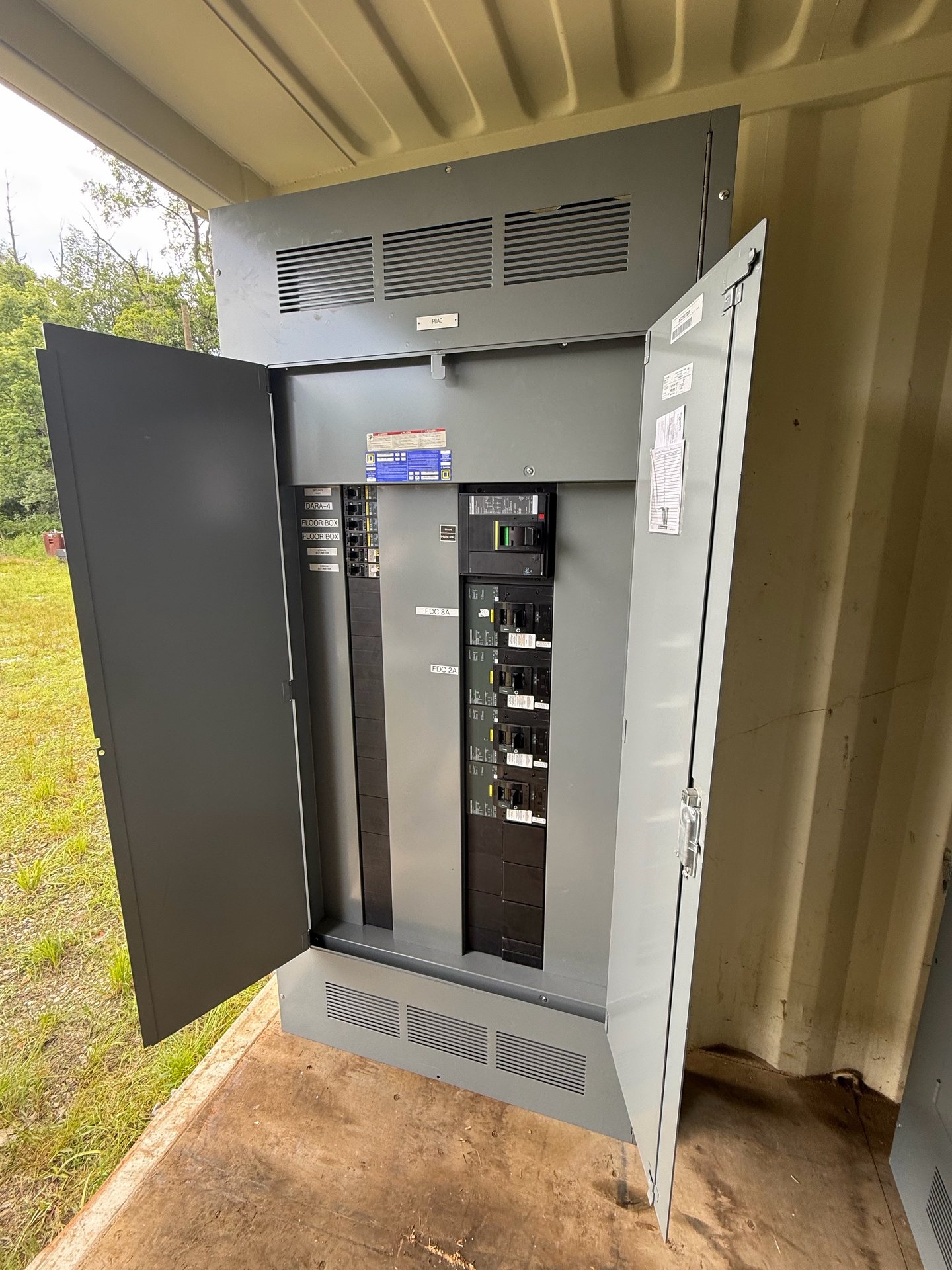
A small, organized photo set can supplement the inventory. Include a wide context view that shows the equipment grouping without address or customer signage, a readable nameplate where safely visible, and a full-assembly view. Add representative devices and loose accessories with a scale reference, without moving equipment or reaching into enclosures. Photograph only from an approved safe location; if a view would require opening a compartment, climbing, entering a restricted area or approaching a hazard, leave it out. Label images by item or assembly number so reviewers can match them to the written list without guessing.
Flag unknowns and access conditions
Make uncertainty explicit. Note unreadable nameplates, unknown quantities, mixed or unmarked devices, missing records, and whether equipment is assembled or partly dismantled. State any safe access notes that may affect a site review or recovery, such as restricted entry, limited working space or an overhead obstruction, without attempting to resolve hazards yourself. Do not represent untested equipment as working, and do not perform tests for a buyer. Review considers the information available and the equipment itself before an offer is made; acceptance is not guaranteed. Clear qualifications prevent assumptions from becoming part of the description.
Prepare for a coordinated review
Send the inventory and photographs for assessment, and identify who can arrange authorized site access. If details need clarification, keep answers tied to the item numbers in your list. The buyer evaluates the equipment before making an offer, so a complete submission supports review but does not establish a price or acceptance in advance. Baker is the location context for the equipment; include the actual site access requirements and relevant handling constraints rather than relying on geographic assumptions. Electrical isolation and any site safety decisions remain matters for qualified professionals with authority at the facility.
Agree on recovery responsibilities
If an offer is accepted and a transaction is agreed, removal is coordinated by the buyer. Louisiana Switchgear Buyer handles and pays for qualified disconnects, crane and rigging work, loading, freight and hauling under the agreed arrangement; sellers should not disconnect, dismantle, lift or load equipment. Before recovery, provide accurate information about the lot and known access limits so qualified crews can plan the work. Payment is made upfront on agreed transactions. Keep equipment and the surrounding work area under the facility’s normal safety controls until authorized personnel take over the recovery.
Buyer notes
Send the facts that move the review forward.
Include the nameplate, lineup or device photos, approximate quantity, visible condition and where the equipment is located. We buy equipment; we do not sell replacement gear or represent a test result that has not been provided.
Start with the nameplate
Request a quote
Tell us what you have. We buy switchgear from decommissioned data centers, shut-down power plants and other facilities. Crane, rigging, disconnects, loading, freight and hauling are on us. You do nothing but get paid.