If you are reviewing surplus electrical equipment at a facility in Caddo Parish, a concise inventory can help a buyer understand what may be suitable for purchase. Gather details from existing asset records and take only safe exterior photographs. Include switchgear, switchboards, motor control centers, panelboards, busway, breakers, automatic transfer switches and unit substations where present; each item is assessed before an offer, and acceptance is not guaranteed.
Start with an itemized inventory
List equipment by assembly or identifiable lot rather than describing everything as one group of surplus gear. Record the quantity of each type, its location or asset tag if available, and whether it is a complete assembly or a collection of separate components. In Caddo Parish, as anywhere, a clear inventory lets a buyer distinguish, for example, a switchboard lineup from loose breakers or a motor control center from associated accessories. Use existing records and observations made from a safe position; do not open compartments or approach equipment that presents an electrical or access hazard.
Capture nameplate information from existing records
Transcribe the manufacturer as marked, model or catalog number, voltage class, amperage and phase from asset schedules, prior documentation or a nameplate visible from a safe exterior vantage. Preserve uncertain or incomplete entries as uncertain instead of guessing. These identifiers help a buyer compare equipment of the same broad type and determine what further information is needed during review. A manufacturer name alone does not establish suitability or value. If a label is obscured, damaged or inaccessible, note that fact; do not remove covers, reach into equipment or interrupt operations to obtain a better view.
Describe size and visible condition
Approximate dimensions can help establish the scale of an assembly and inform later removal planning. Use existing drawings, equipment schedules or measurements already available from safe, non-contact work; provide units and identify estimates. Describe visible condition in neutral terms, such as intact exterior doors, missing covers, corrosion visible on the outside, or apparent damage to a frame. Avoid claims about internal condition, functionality or testing unless supported by records. Buyers review these details alongside equipment type and identification, but exterior appearance cannot establish that gear is operational or complete.
Clarify completeness and associated components
State what appears to be included in the proposed lot: sections, drawout devices, control components, barriers, bus sections, spare parts or other accessories, as applicable. Distinguish items physically present from items merely listed on an old schedule. For loose accessories, provide a count and identify the related assembly if records support that connection. Completeness can affect how a buyer evaluates a group and whether components should be reviewed together or separately. Do not handle equipment to verify contents. A qualified professional should determine whether access or isolation is needed; removal and handling are arranged by the buyer for an agreed transaction.
Use photographs that support a safe review
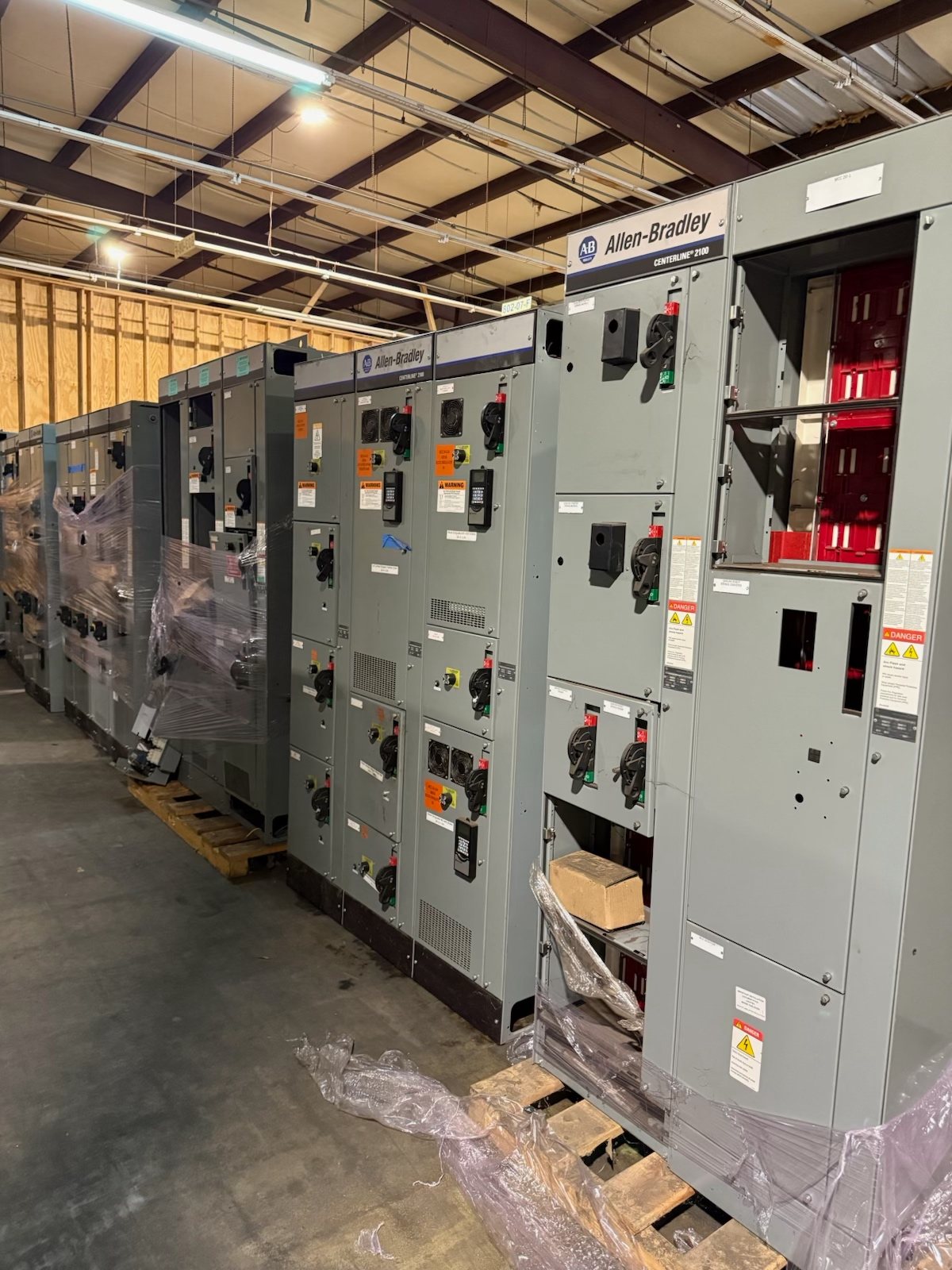
Photographs can supplement the inventory when they are taken from a safe exterior position and do not expose people, operations or sensitive information. Useful views include a wide context image without address or customer signage, a readable nameplate, the full assembly, representative devices and loose accessories shown beside a scale reference. Take only images available without opening energized compartments, removing barriers or entering restricted areas. If a nameplate cannot be photographed safely, provide the recorded data instead. Images help clarify visible configuration and condition; they do not replace technical assessment or prove that equipment has been tested.
Flag access and removal considerations
Include safe access notes based on information already known: whether the equipment is indoors or outdoors, apparent route constraints, door or loading-area limitations, and any known restrictions on access. You can also note whether equipment is still connected or whether a qualified professional has documented its status. Do not disconnect, isolate, lift or prepare equipment yourself. Electrical work, rigging and lifting must be handled by qualified professionals. For an accepted purchase, the buyer handles and pays for qualified disconnects, crane and rigging work, loading, freight and hauling; share site requirements so removal can be reviewed appropriately.
Submit records for buyer assessment
Send the inventory, relevant existing documentation and safe exterior photographs together, identifying which records apply to each assembly. Include any known operating or decommissioning status as documented, and clearly separate verified facts from estimates. A buyer reviews the equipment before making an offer; providing detail does not guarantee acceptance. No seller testing is required. If the equipment is surplus from a facility shutdown or decommissioned data center, identify that context where useful, without assuming it establishes condition or completeness. Once the information is reviewed, an offer may be made, and payment is upfront on an agreed transaction.
Buyer notes
Send the facts that move the review forward.
Include the nameplate, lineup or device photos, approximate quantity, visible condition and where the equipment is located. We buy equipment; we do not sell replacement gear or represent a test result that has not been provided.
Start with the nameplate
Request a quote
Tell us what you have. We buy switchgear from decommissioned data centers, shut-down power plants and other facilities. Crane, rigging, disconnects, loading, freight and hauling are on us. You do nothing but get paid.