If you have medium-voltage switchgear marked 13.8 kV with ratings in the 226–600 A range, start with the equipment’s exact nameplate information and lineup details. Those figures alone do not establish what the gear can do or whether sections belong together. A clear inventory helps Louisiana Switchgear Buyer assess used, surplus, or decommissioned equipment for a possible purchase.
Record the marked ratings as separate facts
Photograph each readable nameplate and transcribe the exact voltage, current, frequency, phase, manufacturer, and catalog or type designation. Record the equipment identity as marked rather than rounding an amp value or treating 13.8 kV as proof of a particular system application. Note whether a rating appears on a breaker, section, or main bus. The 226–600 A range is a useful inventory category, not a complete specification. If a plate is missing, illegible, or apparently inconsistent with another label, identify that uncertainty instead of supplying an inferred value.
Separate bus, breaker, and interrupting ratings
A lineup’s main bus rating and an installed breaker’s frame or continuous current rating describe different components. Interrupting capability is another distinct value; it is not established by the ampere figure alone. For each device, capture its own label and identify its position in the lineup where known. Do not use a 600 A bus marking to describe every breaker, or treat a breaker marked within this range as proof of the bus rating. These distinctions let a reviewer compare components accurately and avoid overstating the capabilities of equipment offered for sale.
Give 13.8 kV its nameplate context
Treat 13.8 kV as a marked voltage class, not an assumption about the system where the gear was installed or how it may be reused. Record the exact voltage wording and any insulation, basic impulse level, or interrupting data shown on labels or drawings. Capture phase and frequency separately from nominal voltage, since these fields answer different questions. Where documents provide a system designation, include it as document information rather than substituting it for the equipment rating. A reviewer can then distinguish confirmed markings from application history that remains uncertain.
Describe the lineup, enclosure, and completeness
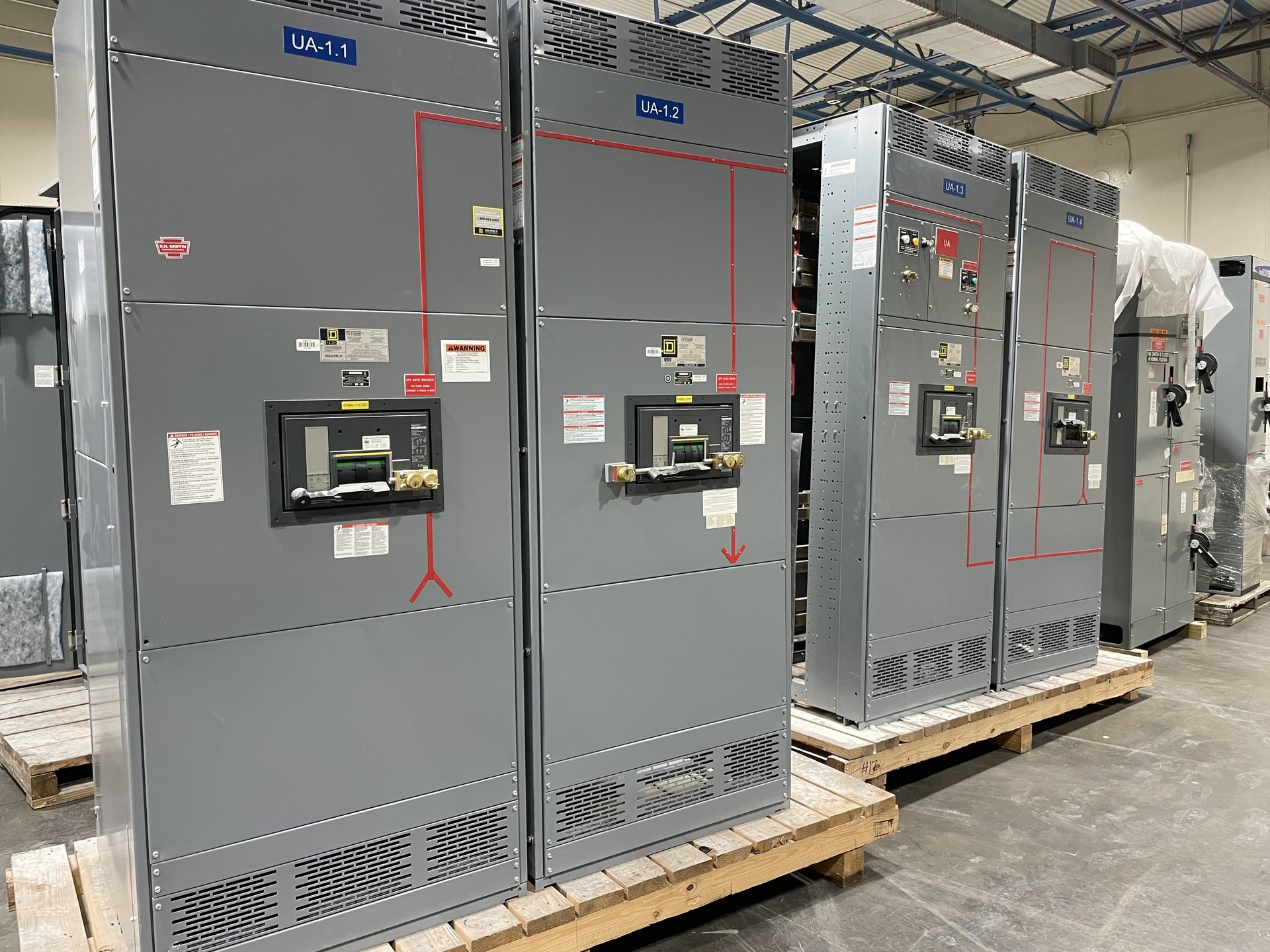
Count the sections and note their order or functional labels when visible, such as incoming, tie, or feeder positions. Record enclosure type, approximate overall dimensions, and any available shipping or layout drawings. Make a device list by section, including breakers and other clearly identified components; indicate whether items appear installed, removed, or separately stored. Describe visible condition factually: corrosion, damaged doors, missing covers, signs of water exposure, or other readily observable issues. Do not open energized compartments or handle electrical parts to improve the inventory; qualified personnel must manage any access or isolation.
Build a review package without testing
A practical submission can include overall lineup views, readable nameplates, section labels, device labels, dimensions, a count of sections, and a concise completeness note. Add drawings or maintenance records if already available, and identify the source and date of each document where known. Louisiana Switchgear Buyer does not require seller testing for an initial review. Do not represent an untested unit as operational, or infer performance from appearance or historical records. Assessment comes before any offer, and acceptance is not guaranteed; missing information can be flagged for discussion rather than guessed.
Agree on scope before the equipment is removed
Once the inventory has been reviewed, discuss the equipment included in a possible transaction: specific sections, breakers, loose components, and any associated bus or accessories. Confirm that the proposed scope matches the actual lineup and clarify known exclusions or incomplete assemblies. If the equipment is part of a larger decommissioning, identify which assets are being offered without attempting electrical disconnection or moving gear yourself. A cash offer may be made after assessment. If both parties agree to a purchase, payment is made upfront under the agreed transaction terms before removal proceeds.
Coordinate qualified recovery and loading
For an accepted purchase, Louisiana Switchgear Buyer handles and pays for qualified disconnection, crane and rigging work, loading, freight, and hauling. Sellers should coordinate access and provide available equipment records, but leave electrical isolation, lifting, and removal to qualified professionals. Do not touch switchgear, open energized compartments, disconnect conductors, or attempt to prepare heavy sections for transport. Recovery planning should account for the documented section count, enclosure dimensions, device configuration, and completeness so the scope can be matched to the equipment on site. This keeps the sale process focused on accurate identification and an agreed handoff.
Buyer notes
Send the facts that move the review forward.
Include the nameplate, lineup or device photos, approximate quantity, visible condition and where the equipment is located. We buy equipment; we do not sell replacement gear or represent a test result that has not been provided.
Start with the nameplate
Request a quote
Tell us what you have. We buy switchgear from decommissioned data centers, shut-down power plants and other facilities. Crane, rigging, disconnects, loading, freight and hauling are on us. You do nothing but get paid.