Preparing surplus electrical equipment in Alexandria for buyer review starts with a reliable inventory, not an assumption about value or operating condition. Record what each assembly is, how much is present, and what its nameplates show; then document visible condition, completeness, dimensions, and safe access constraints. Switchgear differs substantially from a panelboard, busway run, or motor control center, so clear identification helps a buyer assess each asset on its own terms.
Build an inventory by equipment type
List each item separately and group only equipment that is genuinely alike. Include switchgear, switchboards, motor control centers (MCCs), panelboards, busway, automatic transfer switches (ATSs), breakers, and unit substations where present. Record the quantity and whether an item is a complete assembly, a lineup section, an individual device, or an accessory. A description such as “electrical gear” gives little basis for review: a breaker removed from a lineup is not equivalent to a complete switchgear section, and busway components need identification by type and count. If equipment came from a decommissioned data center or shut-down power plant, that context can help organize the inventory without establishing condition or value.
Capture nameplate and rating details
For each identifiable assembly or device, transcribe the manufacturer as marked and the model or catalog number exactly as shown. Add voltage class, amperage, and phase when those details are available and legible. Keep uncertain readings marked as unclear rather than guessing; a buyer can review a readable nameplate image alongside your notes. Ratings and identifiers can vary within one lineup, particularly where individual sections or breakers were added or removed over time. Note the location of each nameplate in your inventory so the photograph can be matched to the right item. Do not open an energized compartment or handle electrical equipment to obtain information; leave access and isolation decisions to qualified professionals.
Describe size, visible condition, and completeness
Record approximate dimensions for the assembly or components, using a consistent format and identifying what was measured. Describe only what can be observed safely: for example, exterior wear, missing covers, visible corrosion, damaged packaging, or loose components stored nearby. State whether the assembly appears complete, partly dismantled, or of uncertain completeness, and list known missing sections or accessories separately. Avoid presenting an unverified item as operational or tested. No seller testing is required for buyer review. If internal condition cannot be seen without hazardous access, say so rather than attempting to inspect it. Photos and straightforward descriptions allow the equipment to be assessed without asking you to disturb electrical or mechanical components.
Photograph the equipment for identification
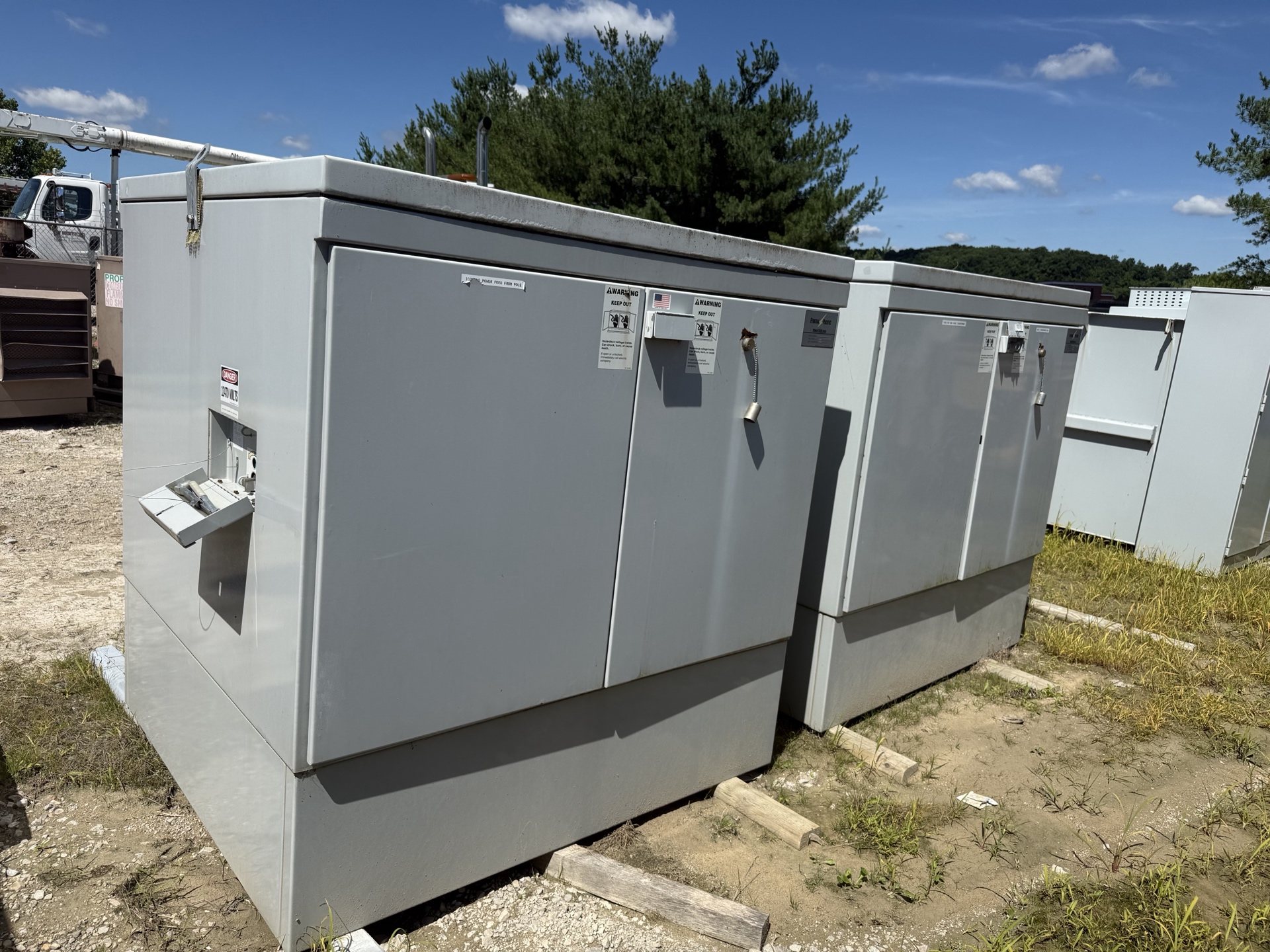
Take a wide context view that shows the equipment’s arrangement while excluding address details and customer signage. Add a readable nameplate photograph, a full-assembly view, and representative images of devices such as breakers or transfer equipment. Photograph loose accessories together with a scale reference so their approximate size is understandable. Keep images associated with the matching inventory entry and distinguish separate lineups, sections, and stored parts. Use existing safe viewpoints; do not remove covers, enter restricted areas, or approach energized equipment to improve a photograph. If safe access is limited, note that in the record. The aim is to show identity, quantity, and visible condition—not to substitute photographs for qualified inspection or testing.
Note site access without taking on removal work
Add practical safe-access notes for buyer review: whether the equipment is indoors or outdoors, whether the route appears constrained, and any known limits on staging or vehicle access. Do not climb, move stored material, disconnect conductors, operate lifting equipment, or attempt to make a load ready. Work involving electrical isolation, qualified disconnection, lifting, rigging, and loading belongs to qualified professionals. Tell the buyer about known access restrictions and the equipment’s general location within the site so removal planning can be considered after review. Alexandria is the location context for the offer, but the actual site layout and handling requirements must be described from the seller’s available knowledge, not assumed from the city name.
Submit the records for assessment
Send the inventory, photographs, and any available equipment records together, identifying items that belong to the same lineup or project. Include quantities, marked manufacturer and model details, ratings, dimensions, visible condition, completeness, and safe-access notes. If some fields are unavailable, identify them as unknown rather than delaying the whole submission or filling gaps with estimates. Buyer assessment precedes any offer, and submitting equipment does not guarantee acceptance. The buyer purchases used, surplus, and decommissioned electrical equipment across voltage classes, including gear from closed facilities, but each item is reviewed on its particulars. No seller testing is needed. Retain copies of the records so descriptions can be checked against the equipment during subsequent discussions.
Review the offer and agree on scope
If an offer is made, compare it with the identified equipment and confirm which assemblies, devices, and accessories are included. Resolve differences in quantity, model, visible condition, or completeness before agreeing to a transaction. Clarify the removal scope, site access arrangements, and any seller approvals required for qualified personnel to enter and work. Acceptance is not guaranteed; an assessment may result in an offer for some items, different terms, or no purchase. Do not treat an informal inventory as a completed sale. Once terms are agreed, the buyer can coordinate the removal plan and address handling requirements with the appropriate site contacts, keeping electrical and lifting work with qualified professionals.
Coordinate removal, payment, and site handoff
For an agreed purchase, Louisiana Switchgear Buyer handles and pays for qualified disconnection, crane and rigging work, loading, freight, and hauling. The seller should not perform electrical or rigging work; provide the agreed access and coordinate with the people authorized to manage the site. Payment is made upfront on agreed transactions. Before removal, confirm the items included, the access arrangements, and the handoff responsibilities so the equipment and any retained property are clearly distinguished. Removal timing and logistics depend on the agreed scope and site requirements. Keep the inventory and accepted terms available for reference, and direct questions about access or isolation to the responsible site personnel rather than attempting work yourself.
Buyer notes
Send the facts that move the review forward.
Include the nameplate, lineup or device photos, approximate quantity, visible condition and where the equipment is located. We buy equipment; we do not sell replacement gear or represent a test result that has not been provided.
Start with the nameplate
Request a quote
Tell us what you have. We buy switchgear from decommissioned data centers, shut-down power plants and other facilities. Crane, rigging, disconnects, loading, freight and hauling are on us. You do nothing but get paid.