If you have surplus electrical equipment in Central, Louisiana, a clear inventory can help a buyer determine what is present and whether it merits an offer. Start with the assembly’s identity, contents, visible condition and access limits. You do not need to test equipment or dismantle it. Louisiana Switchgear Buyer reviews used, surplus and decommissioned equipment, then handles removal if a transaction is agreed.
Start with an assembly-by-assembly inventory
List each distinct item rather than grouping everything under “electrical gear.” Identify switchgear, switchboards, motor control centers, panelboards, busway, automatic transfer switches, breakers and unit substations where applicable. Record the quantity of each assembly and distinguish complete lineups from separate sections or loose devices. Note whether accessories are attached, stored nearby or missing. This first pass helps prevent a buyer from mistaking a partial lineup for a complete one. If equipment is from a shut-down power plant or decommissioned data center, include that context as a source description, not as proof of condition or operating status.
Capture identification without disturbing equipment
Use manufacturer markings, model or catalog numbers and nameplate details as shown. Record voltage class, amperage and phase when those details are legible, and mark information as unreadable or unavailable rather than guessing. A photograph of a readable nameplate can support your written notes, but do not open energized compartments or remove covers to find it. Ask qualified site personnel to determine whether a view can be obtained safely. Buyer review can begin with the information and images you can safely provide; seller testing is not required.
Describe what makes the equipment complete
Completeness often depends on more than the main enclosure. Note the number of sections, representative devices, installed breakers, bus connections, doors, control components and any loose accessories you can identify without handling hazardous equipment. For accessories stored separately, record their quantity and where they are staged, and photograph them beside a scale reference if safe and practical. Avoid claiming that a lineup is complete when internal contents have not been verified. Explain known gaps or removed components plainly. This allows the buyer to assess the documented configuration instead of relying on an uncertain label.
Document visible condition and dimensions
Record visible condition in neutral terms: for example, enclosure denting, corrosion, missing doors, paint wear, water staining or apparent component removal. These observations do not establish internal condition or prove whether equipment works. Include approximate dimensions for each assembly or lineup, along with any known shipping splits. Measure only where access is safe and does not require contact with electrical equipment; otherwise, provide an estimate or leave the field blank. Clear limits are more useful than a polished description that overstates what can be seen. The buyer assesses the equipment before deciding whether to make an offer.
Use photographs to answer specific questions
A compact photo set can include a wide context view that excludes addresses and customer signage, a readable nameplate, the full assembly, representative devices and loose accessories with a scale reference. Take pictures only from safe, authorized locations; do not reach into equipment, remove barriers or approach exposed electrical parts for a better angle. Label images by assembly or inventory line so a reviewer can match them to quantity and identification notes. If a nameplate is obscured or a section cannot be photographed safely, state that in the record instead of attempting access.
Explain access and removal constraints
Record the practical conditions a removal crew should know: indoor or outdoor placement, doorway or route restrictions, overhead clearance, loading access, approximate dimensions and whether assemblies are in separate locations. Add safe access notes, including any areas that qualified personnel must isolate or make available before work. Do not disconnect, lift, rig or move equipment yourself. Qualified professionals must handle electrical isolation, disconnection, rigging and lifting. For an agreed purchase, Louisiana Switchgear Buyer handles and pays for qualified disconnects, crane and rigging, loading, freight and hauling; share constraints early so removal can be assessed.
Send the record for review, then confirm the next steps
Submit the inventory, photographs and known access details for assessment. Include your preferred contact information and clarify whether you represent the owner or are coordinating its disposition. The buyer reviews the equipment before making any offer; acceptance is not guaranteed. If an offer is made and you agree to the transaction, payment is made upfront on the agreed terms, and the buyer arranges and pays for removal and transportation. Keep equipment in place and leave electrical and lifting work to qualified professionals. This process applies to used, surplus and decommissioned gear across voltage classes.
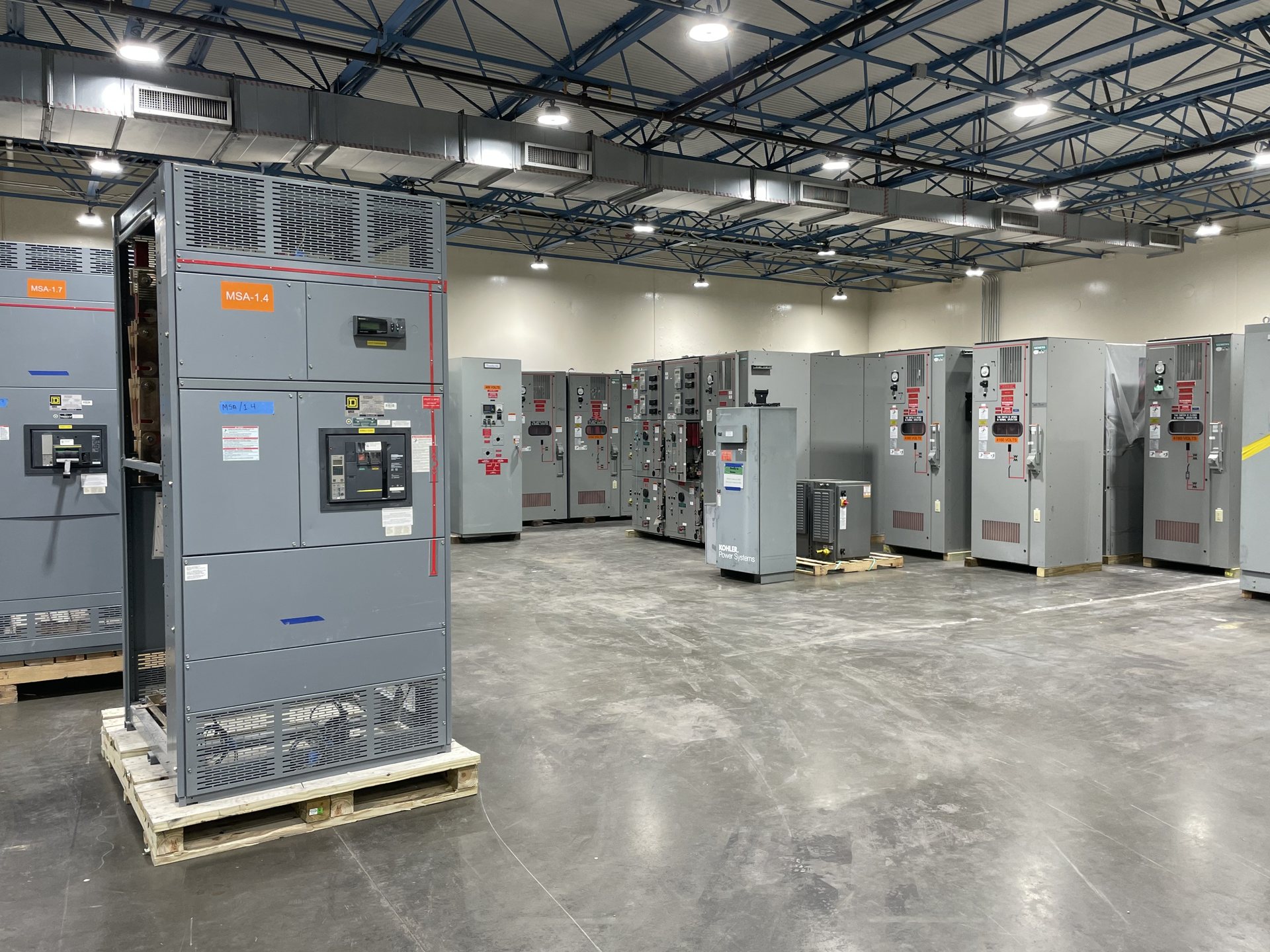
Buyer notes
Send the facts that move the review forward.
Include the nameplate, lineup or device photos, approximate quantity, visible condition and where the equipment is located. We buy equipment; we do not sell replacement gear or represent a test result that has not been provided.
Start with the nameplate
Request a quote
Tell us what you have. We buy switchgear from decommissioned data centers, shut-down power plants and other facilities. Crane, rigging, disconnects, loading, freight and hauling are on us. You do nothing but get paid.