Decommissioned data-center electrical equipment is easier to review when records distinguish complete assemblies from loose devices and unresolved items. A facility manager can assemble useful information from existing schedules, nameplates, equipment lists, dimensions, access notes and safe exterior photographs. This creates a clearer account of switchboards, ATS units, busway, PDUs, breakers and related distribution assemblies without requiring sellers to test equipment or handle electrical components.
Start with an inventory that separates assemblies from loose items
List each switchboard, ATS, PDU, busway section, breaker group and related assembly as a separate inventory entry where practical. Note whether an item appears to be a complete assembly, a section removed from a larger lineup, or a loose device or accessory. Keep loose items in a separate list and describe their known association, such as a breaker identified for a particular switchboard. Do not assume a component is included just because it appears nearby. This distinction helps a buyer understand the lot’s structure and identify what needs clarification before assessing its potential value.
Use existing schedules and one-line records for context
Provide an available one-line diagram, distribution schedule, section schedule or other existing record that identifies equipment and its relationship to the electrical system. Include the document date or revision if it is shown, and flag records that may not reflect the final configuration. These records can help a buyer interpret lineup designations, feeder references and equipment groupings, but they do not establish the condition or completeness of the equipment. Where a record conflicts with visible markings, report both rather than resolving the discrepancy by guesswork. A buyer can then review the difference as part of the assessment.
Capture visible identifiers and ratings without opening equipment
From a safe position, photograph accessible exterior nameplates and visible labels on equipment that has been isolated and made safe by qualified personnel. Share legible manufacturer, model, serial, voltage, current and interrupting-rating information when marked; do not open compartments or approach equipment that may be energized. If a rating is obscured, damaged or unreadable, record it as unknown rather than estimating it from nearby gear. Identifiers let a buyer distinguish similar devices and compare the offered items with schedules or device lists. Photographs document what is visible, not whether an item works.
Describe busway, PDUs and distribution sections by visible extent
For busway and other sectional equipment, record the visible section identifiers, lengths or dimensions when available, and any documented end or connection pieces included in the lot. For PDUs and switchboard lineups, note the labels and section names shown on existing records, along with the count of assemblies presented for review. Avoid inferring that a run is continuous or complete from a few exterior views. A clear list of included and excluded sections helps a buyer understand the scope and identify missing continuity information. State plainly when the extent cannot be confirmed from available records or safe views.
Record loose breakers and accessories as their own items
Create a device list for loose breakers, ATS accessories, control components or other parts that are not installed in a complete assembly. Include visible catalog or model identifiers, ratings where legible, quantities and any known parent equipment reference. Separate confirmed markings from descriptions based on old labels or recollection. If the device’s fit, compatibility or condition is unknown, say so; a buyer should not have to infer that a loose breaker belongs to a particular lineup. Keeping these items distinct supports a more accurate review of the lot and avoids overstating completeness or interchangeability.
Make safe staging and access information explicit
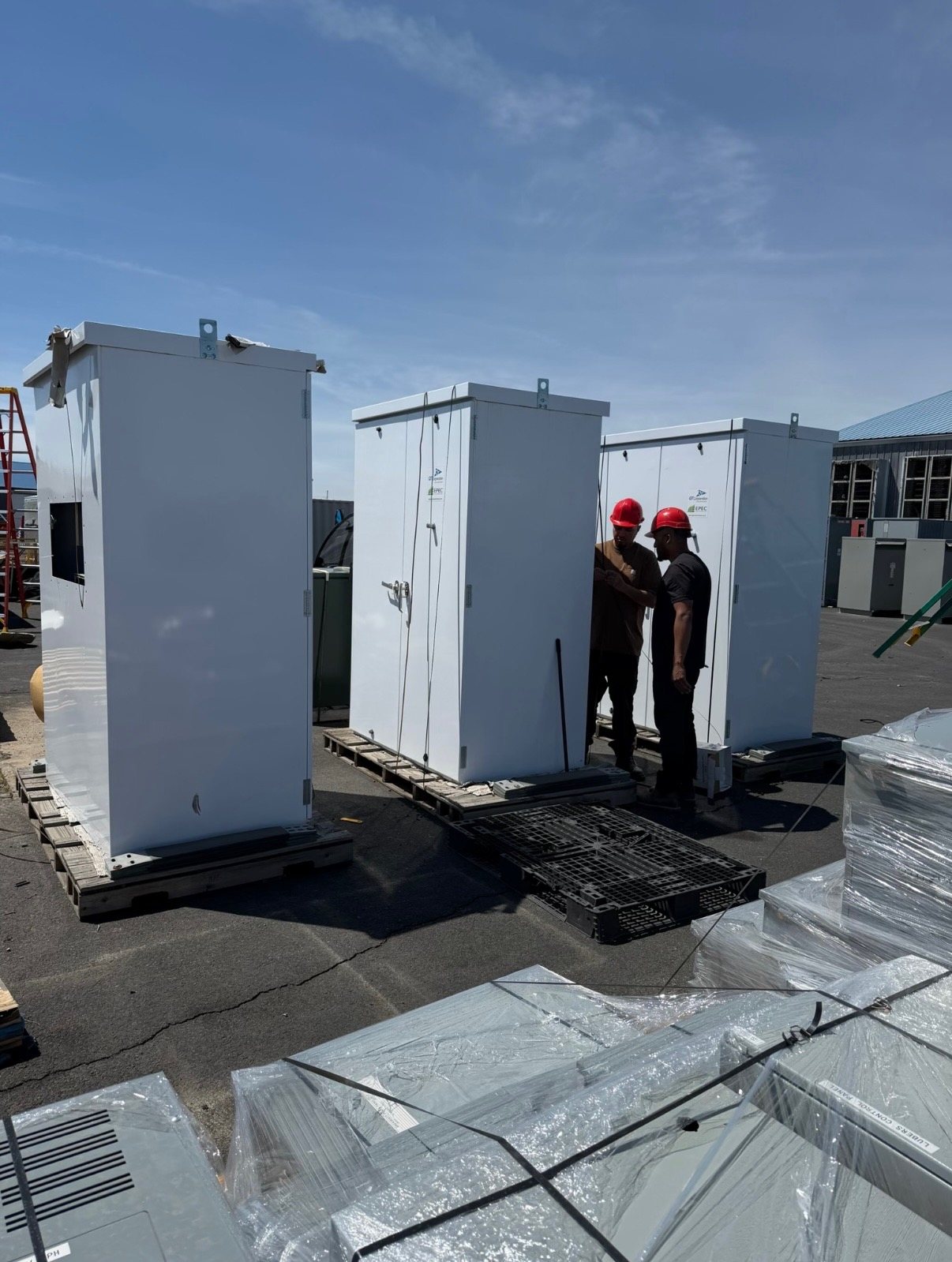
Describe where equipment is staged, how it is grouped and what access constraints are known, using information available to the facility team. Note dimensions, approximate weights only when documented, door or route clearances if recorded, loading-area access and any restrictions relevant to removal planning. Do not move equipment to improve photographs or attempt lifting, disconnecting or repositioning it. Qualified professionals must handle isolation, disconnection, rigging and loading; removal and transportation arrangements can be considered as part of a proposed transaction. Clear access notes help a buyer assess handling needs without asking the seller to perform hazardous work.
Separate documented facts from unknowns and confirm authorization
Gather ownership or authorization status for each lot, along with photos, records, dimensions and a concise list of unresolved questions. Mark unknown operating condition, missing documents, uncertain quantities or unreadable identifiers directly. No seller testing is required for an initial review, and visible appearance alone should not be presented as proof of operation. A buyer assesses the information and equipment before making an offer; acceptance is not guaranteed. Louisiana Switchgear Buyer purchases used, surplus and decommissioned electrical equipment, including data-center infrastructure, and can make cash offers. On agreed transactions, payment is upfront, with qualified removal, loading and hauling handled by the buyer.
Buyer notes
Send the facts that move the review forward.
Include the nameplate, lineup or device photos, approximate quantity, visible condition and where the equipment is located. We buy equipment; we do not sell replacement gear or represent a test result that has not been provided.
Start with the nameplate
Request a quote
Tell us what you have. We buy switchgear from decommissioned data centers, shut-down power plants and other facilities. Crane, rigging, disconnects, loading, freight and hauling are on us. You do nothing but get paid.