When an industrial plant closes, electrical equipment can reflect more than one operating purpose: a standby path, a parallel feed, a dedicated process line, or distribution serving a utility area. Those distinctions help a buyer assess what is being offered, but they should be documented rather than inferred from the former facility’s layout or name. Record visible equipment details, separate complete assemblies from loose items, and identify what remains unknown before arranging review and removal.
Describe function without treating it as proof
Redundancy or process context can explain why equipment was installed, but it does not establish its present condition, completeness, or suitability for reuse. A switchboard once assigned to a backup source may have been modified, partly dismantled, or disconnected from associated gear. An MCC may have served one process area without including its starters or controls today. Note the function shown on available drawings or schedules and distinguish that record from what is physically present. If the intended role is uncertain, say so. A careful distinction helps prevent a buyer from mistaking historic service descriptions for verified equipment attributes.
Separate complete assemblies from loose devices
Start the lot description by identifying the boundaries of each assembly. List switchboards, MCC sections, panelboards, busway runs, breakers, and utility-area assemblies separately where practical. State which sections appear joined or configured as an assembly and which items are detached. For loose breakers, relays, or accessories, record quantities and any visible identifying marks without assuming they belong to a particular lineup. Note missing doors, covers, compartments, or other apparent components when visible, and avoid calling an assembly complete unless the basis is clear. This distinction affects valuation, handling, and whether equipment can be reviewed as a system or only as individual components.
Capture identifiers and ratings as marked
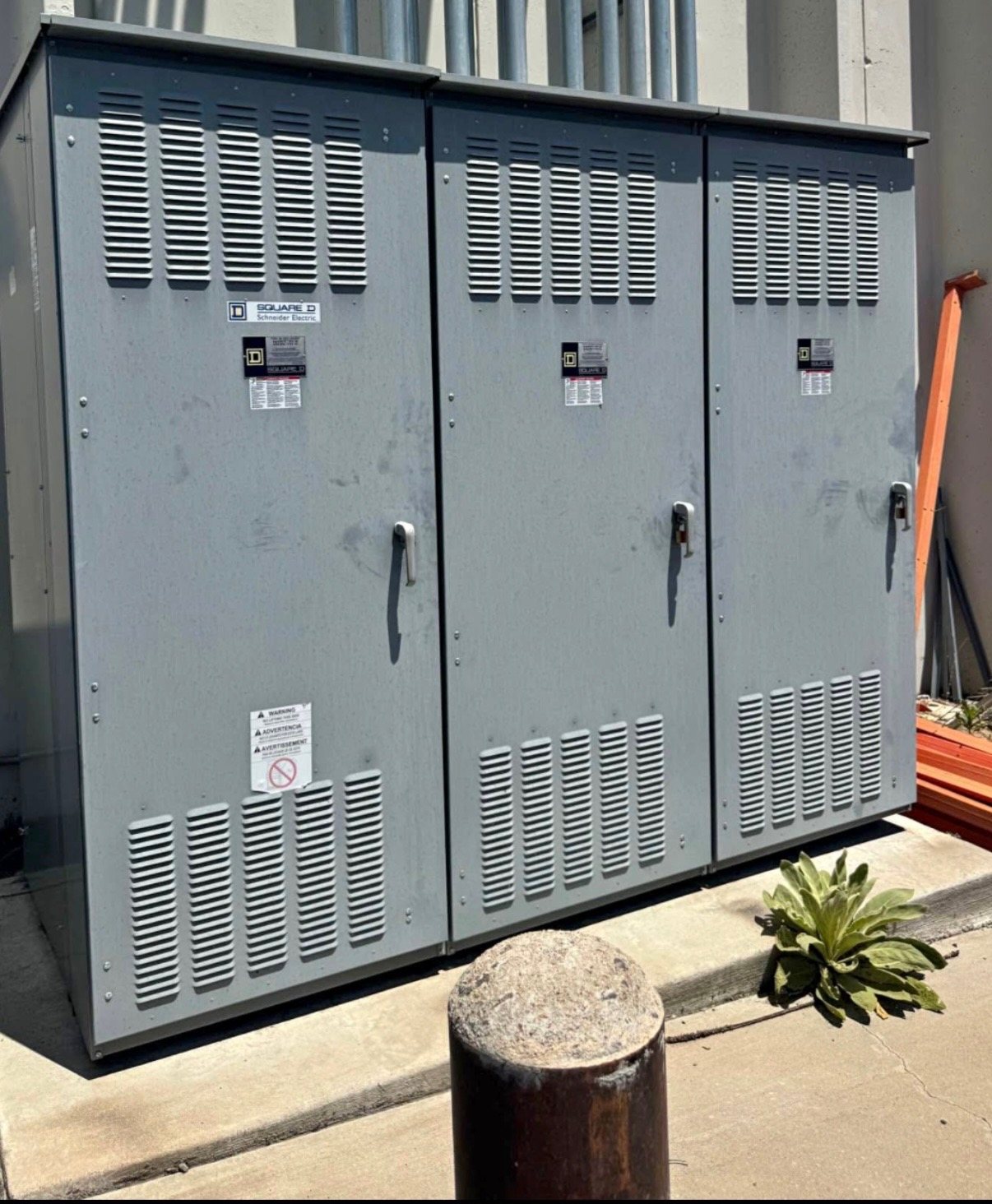
Photograph readable nameplates and labels, then transcribe identifiers and ratings exactly as shown. Useful information may include manufacturer, catalog or model number, serial number, voltage, current, interrupting rating, enclosure information, and section designation when marked. Do not fill gaps by estimating from neighboring equipment or relying on a remembered process duty. If a label is obscured, damaged, or absent, record that limitation rather than removing covers or approaching energized equipment to investigate. A buyer can assess visible information alongside the equipment and available records; no seller testing is required. Unknown or unreadable ratings should remain explicitly unknown in the listing.
Use drawings to explain the relationship
A one-line diagram, section schedule, or equipment list can clarify how items were grouped and whether a lineup served a process branch, common distribution, or a redundant path. Share available pages that correspond to the equipment, and identify drawing revisions or dates if shown. A drawing is context, not confirmation that every depicted device remains in place. Pair it with current photos and a device list so differences can be recognized. If a schedule refers to equipment that is no longer part of the lot, mark the boundary clearly. This helps avoid pricing assumptions based on a complete electrical arrangement when only selected sections or components remain.
Make photos useful for review
Take overview photographs from safe, authorized positions, followed by images of visible nameplates, section labels, and loose-item groupings. Include enough context to show which label belongs to which assembly, and use consistent item names in the photo notes and device list. Do not open energized compartments, remove guards, or handle electrical components to improve a picture. If access is restricted or a label cannot be photographed safely, note that fact. Images should document what can be seen, not imply internal condition or test results. A clear record of visible condition and access limits is more useful than close-up images that cannot be tied to a specific item.
Record dimensions and removal access
Provide approximate overall dimensions for major assemblies when they can be obtained safely, and distinguish measured dimensions from estimates. Note whether equipment is indoors or outdoors only when known, along with visible access constraints relevant to removal: doorway or route limitations, stairs, overhead obstructions, restricted work areas, or loading access. Do not move equipment or attempt to prepare a lifting route. Qualified personnel must handle electrical isolation, disconnection, rigging, lifting, and loading. Louisiana Switchgear Buyer handles and pays for qualified disconnects, crane and rigging, loading, freight, and hauling on agreed transactions. Accurate access notes help plan a review and removal approach without asking the seller to perform hazardous work.
State ownership and authorization clearly
Before requesting an offer, identify who owns the equipment and who is authorized to approve its sale and removal. Industrial closures can involve multiple parties, and process context alone does not establish ownership of a particular lineup or loose device. Note any known boundary between equipment included in the sale and equipment retained, leased, or otherwise excluded. If authorization is pending, say so rather than presenting the lot as ready for transfer. This information supports a practical review and helps prevent confusion over what may be removed. Acceptance is not guaranteed: equipment is assessed before an offer, and any transaction proceeds only when the parties agree on the items and terms.
Present unknowns as part of the listing
A useful package can include the available one-line or section schedule, nameplate images, current photos, device list, dimensions, access notes, and ownership or authorization status. Add a short unknowns list: for example, unverified internal condition, missing documentation, uncertain component relationships, or incomplete identification. Do not describe equipment as operational or tested unless that status is actually established and supported. No seller testing is required for review. Louisiana Switchgear Buyer purchases used, surplus, and decommissioned equipment across voltage classes, including gear from industrial closures, and can make a cash offer with upfront payment on agreed transactions. A precise record lets the buyer assess the actual lot rather than assumptions about its former process role.
Buyer notes
Send the facts that move the review forward.
Include the nameplate, lineup or device photos, approximate quantity, visible condition and where the equipment is located. We buy equipment; we do not sell replacement gear or represent a test result that has not been provided.
Start with the nameplate
Request a quote
Tell us what you have. We buy switchgear from decommissioned data centers, shut-down power plants and other facilities. Crane, rigging, disconnects, loading, freight and hauling are on us. You do nothing but get paid.