When an industrial plant closes, electrical equipment may be spread across process areas, motor-control rooms, switchboard lineups, and utility spaces. A useful condition record separates what is visibly present from what remains uncertain. That distinction helps Louisiana Switchgear Buyer review the proposed lot, identify equipment for an offer, and plan removal without asking your staff to test or handle electrical gear.
Define the proposed lot by assembly
Start with a practical inventory boundary: identify which process-distribution sections, MCC lineups, switchboards, panelboards, busway runs, breakers, and utility-area assemblies are included. Record each lineup or assembly as a separate item where possible, rather than describing everything as “plant switchgear.” Note whether connected sections, doors, barriers, and associated enclosures appear to be part of the same assembly. If an item is excluded or its ownership is unclear, flag that before review. A clear lot boundary reduces confusion when equipment is assessed and helps distinguish complete assemblies from partial equipment or unrelated material.
Separate complete assemblies from loose devices
For each group, state whether it appears to be a complete assembly or a collection of components. List loose breakers, buckets, starter units, relays, or accessories separately, and indicate where they were found if known. Do not assume that a device belongs to a nearby lineup merely because it was stored there. Include visible quantities when practical, while noting that counts may be preliminary. This distinction matters because an intact section and a loose device present different identification and removal questions. Leave equipment in place for qualified personnel to assess; the inventory does not require opening compartments or handling electrical parts.
Capture visible identifiers and ratings
Photograph accessible nameplates and exterior markings, then transcribe manufacturer, model or catalog number, serial number, voltage, current, and interrupting or other marked ratings when legible. Include lineup labels, section numbers, and device identifiers that help relate a photo to the inventory. If a field is obscured, damaged, or unreadable, record that rather than filling in a likely value. A nameplate records marked information; it does not establish present operating condition or prove testing. Keep images clear enough to show the label and its location, and avoid reaching into equipment or removing covers to obtain a better view.
Describe condition without overstating it
Use observable, qualified notes: for example, “exterior denting visible,” “paint loss at lower enclosure,” “stored indoors,” or “condition of internal components unknown.” Distinguish visible damage from a suspected defect, and identify the basis for any concern. Do not describe equipment as operational, tested, complete, or service-ready unless reliable documentation supports that specific statement. Louisiana Switchgear Buyer does not require seller testing. Condition notes should help assessment, not invite staff to energize, dismantle, or inspect energized compartments. If qualified personnel have already documented a condition, identify the record and its date rather than extending its conclusions.
Record documents, dimensions, and access
Attach a one-line diagram or section schedule when available, along with nameplate photos, a device list, approximate dimensions, and relevant access notes. Identify whether dimensions apply to an individual section, an entire lineup, or a busway run. Access notes can describe doors, aisle limits, overhead clearance, loading-area arrangements, or known site restrictions without proposing a lifting method. Include the location of each lot group within the facility if useful. These details help the buyer review equipment and coordinate recovery. Do not move or disconnect equipment to improve access; qualified personnel and the recovery team coordinate those tasks.
Mark unknowns and authorization clearly
A useful submission identifies gaps directly: unknown quantities, missing schedules, uncertain device-to-lineup matches, unreadable ratings, or unclear completeness. Note whether equipment is believed to be surplus, decommissioned, or still subject to another party’s control, and provide the seller’s ownership or authorization status. If authorization is pending, say so; do not represent that the lot is cleared for transfer. Unknowns do not need to be guessed away. Louisiana Switchgear Buyer assesses the equipment information before making an offer, and acceptance is not guaranteed. Clear limits help determine what additional documentation may be useful.
Coordinate recovery after review
Once the lot and its condition notes are reviewed, agreed transactions can proceed with recovery coordinated by Louisiana Switchgear Buyer. The buyer handles and pays for qualified disconnection, crane and rigging work, loading, freight, and hauling; sellers should not undertake electrical or lifting work. Keep equipment and surrounding areas under the control of the site’s qualified personnel until arrangements are coordinated. The buyer purchases used, surplus, and decommissioned equipment across voltage classes, including material from closed industrial plants. On an agreed transaction, payment is made upfront. Provide accurate access and authorization information so removal planning reflects the actual lot.
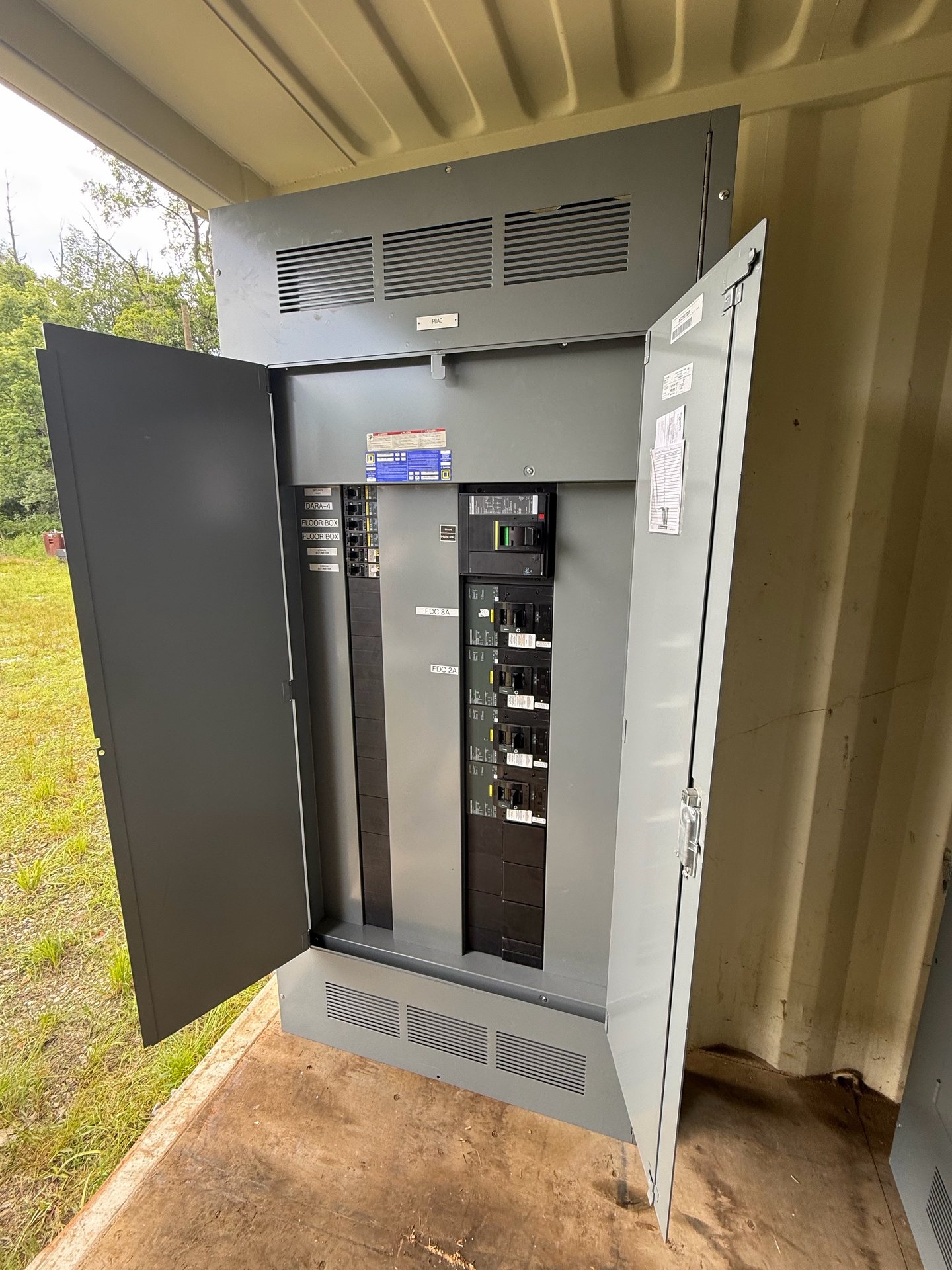
Buyer notes
Send the facts that move the review forward.
Include the nameplate, lineup or device photos, approximate quantity, visible condition and where the equipment is located. We buy equipment; we do not sell replacement gear or represent a test result that has not been provided.
Start with the nameplate
Request a quote
Tell us what you have. We buy switchgear from decommissioned data centers, shut-down power plants and other facilities. Crane, rigging, disconnects, loading, freight and hauling are on us. You do nothing but get paid.