An industrial plant closure can leave electrical equipment in several states: intact assemblies awaiting removal, sections separated from their original lineup, and loose devices collected during shutdown. A useful buyer review starts by documenting what is present and what remains connected or unknown. Qualified professionals must determine and perform electrical isolation and disconnection; Louisiana Switchgear Buyer handles removal and associated rigging, loading, freight, and hauling on an agreed transaction.
Separate complete assemblies from loose material
Start the inventory by distinguishing complete equipment from components that have been removed or stored separately. A motor control center section with its enclosure, bus structure, and installed units is different from a group of loose starters or buckets. Likewise, a switchboard section may be part of a larger lineup, while a breaker sitting nearby may or may not belong to it. Record these distinctions without trying to reassemble equipment. They help us understand whether a lot is a coordinated assembly, a partial lineup, or mixed surplus, and reduce the risk of treating an unmatched device as included.
Make qualified disconnect scope explicit
Closure inventories often use the word “disconnected” loosely. It may mean a circuit is no longer in service, that a qualified contractor has isolated it, or simply that operations have stopped. Note the known status and who is responsible for confirming it, but do not approach, open, or handle electrical equipment to investigate. A qualified professional must assess isolation and perform any required disconnect work. On an agreed purchase, we coordinate and pay for qualified disconnects as part of removal arrangements. If status is uncertain, label it as unknown rather than presenting the equipment as safe or ready to move.
Capture identifiers and visible ratings
Photograph nameplates and visibly marked ratings where they can be recorded safely by authorized personnel. Useful details may include manufacturer, catalog or model number, voltage, current rating, interrupting rating, and enclosure or section identifiers. Do not remove covers or reach into compartments to find a label. For a process distribution lineup, section labels may connect equipment to a one-line or schedule; for a standalone panel, its nameplate may provide the clearer reference. If a marking is obscured, damaged, or unreadable, document that limitation. Visible information supports review but does not establish condition, completeness, or operating capability.
Use drawings to explain lineup relationships
Include a one-line diagram or section schedule when available, especially when the closure lot spans process distribution, MCCs, and utility-area assemblies. These records can clarify which sections were arranged together and how equipment was identified in the facility. They do not replace a physical inventory: drawings may be outdated, and equipment may have been modified or separated over time. Note whether a document is current, marked up, or of uncertain revision if that is known. A seller without drawings can still submit a useful list and photographs; do not delay basic documentation while trying to reconstruct an incomplete electrical record.
List devices, accessories, and unknowns
Create a device list for items that are visibly present, and distinguish installed devices from loose accessories or spares. For example, identify breakers shown in a lineup separately from breakers stored on a pallet, and note whether a door, bucket, or control accessory is associated with a particular section only when that relationship is clear. Avoid claiming compatibility based on appearance alone. Include an “unknown” entry for uncertain quantities, missing labels, or unclear ownership within a mixed lot. This is more useful than guessing. Louisiana Switchgear Buyer reviews the equipment before making an offer, and acceptance is not guaranteed.
Record dimensions and access notes
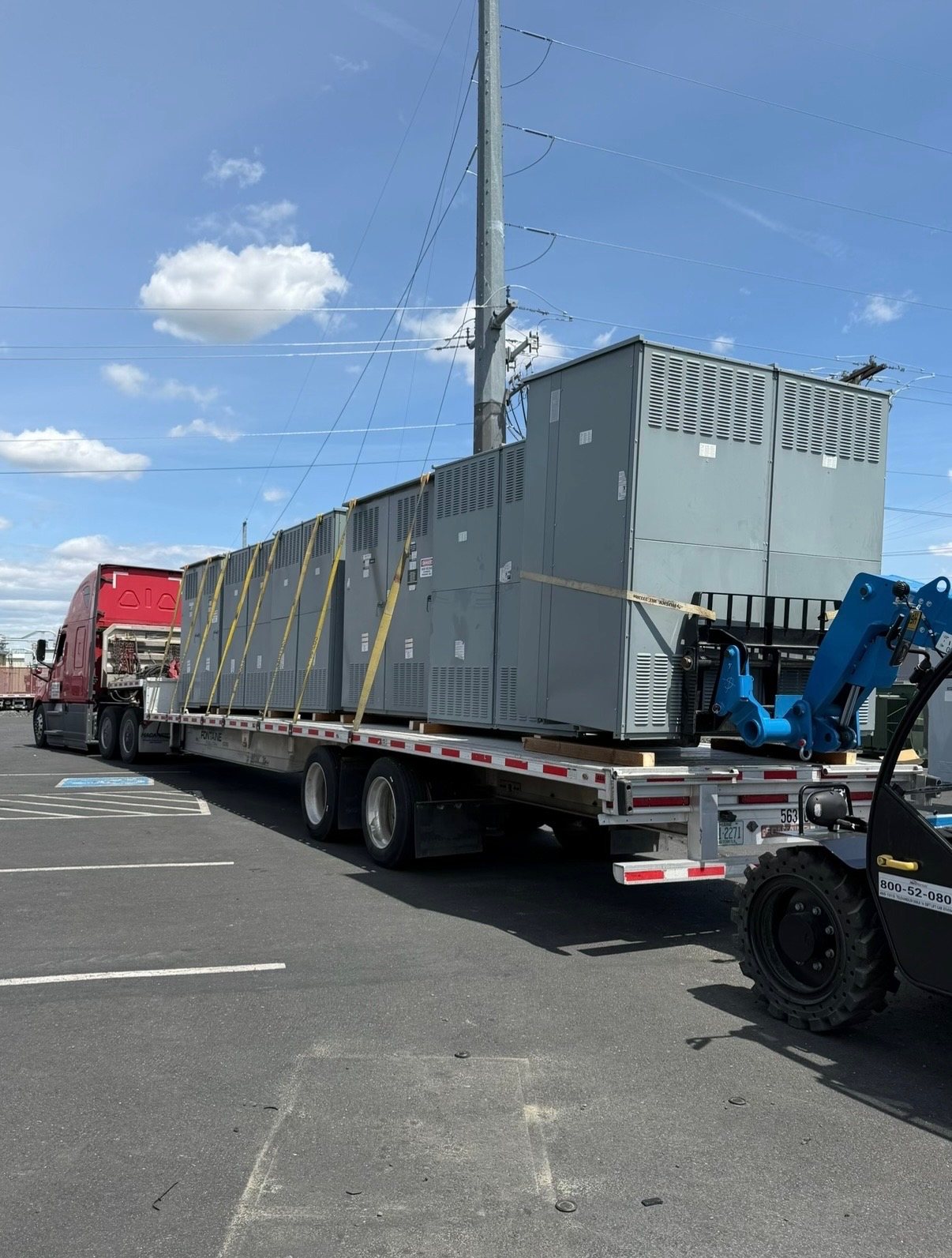
Approximate dimensions and arrangement help distinguish a compact panel from a long, multi-section switchboard or MCC lineup. Record section count and overall measurements only when they can be obtained without entering a hazardous area or disturbing equipment. Add practical access notes such as the known route to the equipment, doorway constraints, staging area, or whether lifting access requires review. Do not attempt to move, disconnect, or prepare heavy assemblies yourself. Qualified crews manage lifting, rigging, and loading; we handle and pay for those services and transportation on an agreed transaction. Access details help plan that work responsibly.
Confirm authority and submit a review-ready lot
Before sending the inventory, identify who owns the equipment or is authorized to arrange its sale. Plant closures can involve multiple parties, and a clear ownership or authorization status helps prevent confusion over what may be included. Send the available one-line or section schedule, nameplate photographs, device list, dimensions, and access notes together, with unknowns clearly marked. We buy used, surplus, and decommissioned switchgear and related equipment, including material from shut-down industrial facilities. We can make a cash offer and pay upfront on agreed transactions. No seller testing is required; do not represent unverified equipment as tested or operational.
Buyer notes
Send the facts that move the review forward.
Include the nameplate, lineup or device photos, approximate quantity, visible condition and where the equipment is located. We buy equipment; we do not sell replacement gear or represent a test result that has not been provided.
Start with the nameplate
Request a quote
Tell us what you have. We buy switchgear from decommissioned data centers, shut-down power plants and other facilities. Crane, rigging, disconnects, loading, freight and hauling are on us. You do nothing but get paid.