Good recovery planning starts with information the seller can verify without disturbing equipment. A preliminary inventory, documented dimensions, section count, access notes and known site restrictions help determine whether switchgear, switchboards, MCCs, unit substations, busway or related components may be suitable for purchase. Louisiana Switchgear Buyer reviews the available details before making an offer. If a transaction is agreed, qualified professionals coordinate disconnection, lifting, loading and transportation; sellers do not perform that work.
Start with an inventory, not a removal plan
List the equipment by type and identify each lineup, assembly or loose item as clearly as available records allow. A multi-section switchboard should be distinguished from a standalone panelboard, while an MCC lineup should be separated in the inventory from spare buckets or loose breakers. For a unit substation, note the transformer-connected arrangement and any associated sections or accessories. Use nameplates, drawings, schedules or existing asset records when accessible through normal site processes. Do not open energized compartments or approach equipment to collect information. A usable inventory helps the buyer understand what may be included without asking the seller to handle electrical equipment.
Record dimensions and weight only when supported
Approximate dimensions and weights are useful planning inputs only when they come from a documented source, such as equipment drawings, shipping records or an existing asset schedule. Identify whether measurements apply to a complete lineup, an individual section or a shipping split; a single overall dimension can conceal differences between sections. Note the source and any uncertainty rather than presenting an estimate as a verified measurement. If weight is unavailable, say so. Do not infer lifting capacity from appearance or rely on informal guesses. Qualified professionals determine handling requirements after reviewing the equipment and site conditions.
Clarify sections, splits and loose components
Section count affects both recovery planning and the completeness of an offer review. For a lineup, record the number of sections and any known shipping splits, including whether bus connections, end sections or auxiliary cabinets are included. For busway, identify the general scope and whether fittings or other components are part of the available lot. List loose breakers and accessories separately, with quantities when known, rather than assuming they are included with a lineup. Keep related items grouped in the inventory, but distinguish confirmed contents from items whose ownership or availability still needs checking. This reduces ambiguity when reviewing mixed or partial equipment lots.
Describe lifting information without testing it
Existing documents or visible markings may show lifting points, but report only what is documented or plainly visible from a safe location. Do not remove covers, climb on equipment, attach lifting gear or test a lifting point. A note such as “lifting-point markings visible on the shipping drawing” is more useful than an unsupported statement that an assembly is ready to lift. If no lifting information is available, identify that as unknown. The recovery team can assess the appropriate method as part of the physical-work review. Equipment condition, configuration and the way sections are split all affect how qualified professionals plan handling.
Explain the loading surface and access
Describe the route and loading area in practical terms: whether the equipment is at dock level or ground level, the general loading-surface type, and any known constraints on reaching the equipment. Note doors, turns, overhead obstructions, ramps, restricted corridors or limited staging areas only when these are known and relevant. A dock does not automatically mean that every assembly can be loaded there, and ground-level access can vary considerably between sites. Photos of access areas may help if they can be taken from a safe, authorized position. Do not move equipment or alter the site to prepare for a review; qualified professionals coordinate the physical work.
Flag restrictions and safe staging conditions
Include known site restrictions that could affect scheduling or handling, such as access windows, escort requirements, shared loading areas or limits on where equipment may be staged. Identify whether equipment is already in a designated safe staging area, remains installed, or is in another status according to site records. Avoid describing equipment as de-energized or ready for removal unless that status has been confirmed by the responsible site personnel. Sellers should not disconnect, isolate, rig or load equipment. Qualified professionals handle required electrical isolation and physical recovery. Clear restrictions early help the buyer assess feasibility and coordinate the next review steps with the seller.
Match preparation to the equipment situation
Different equipment groups call for different records. A decommissioned data-center MCC lineup may have documented section splits and accessory lists, while loose breakers from a surplus inventory may be easier to count and identify individually. A shut-down power plant’s switchgear or transformer-connected assembly may have drawings that describe a larger integrated configuration; those records should be distinguished from confirmed contents on site. Busway and its fittings may be listed as a separate scope from the switchboard it served. These examples are planning contrasts, not assumptions about condition or completeness. Share what is documented, identify gaps, and let the buyer review the actual proposed lot.
Use the review to confirm next steps
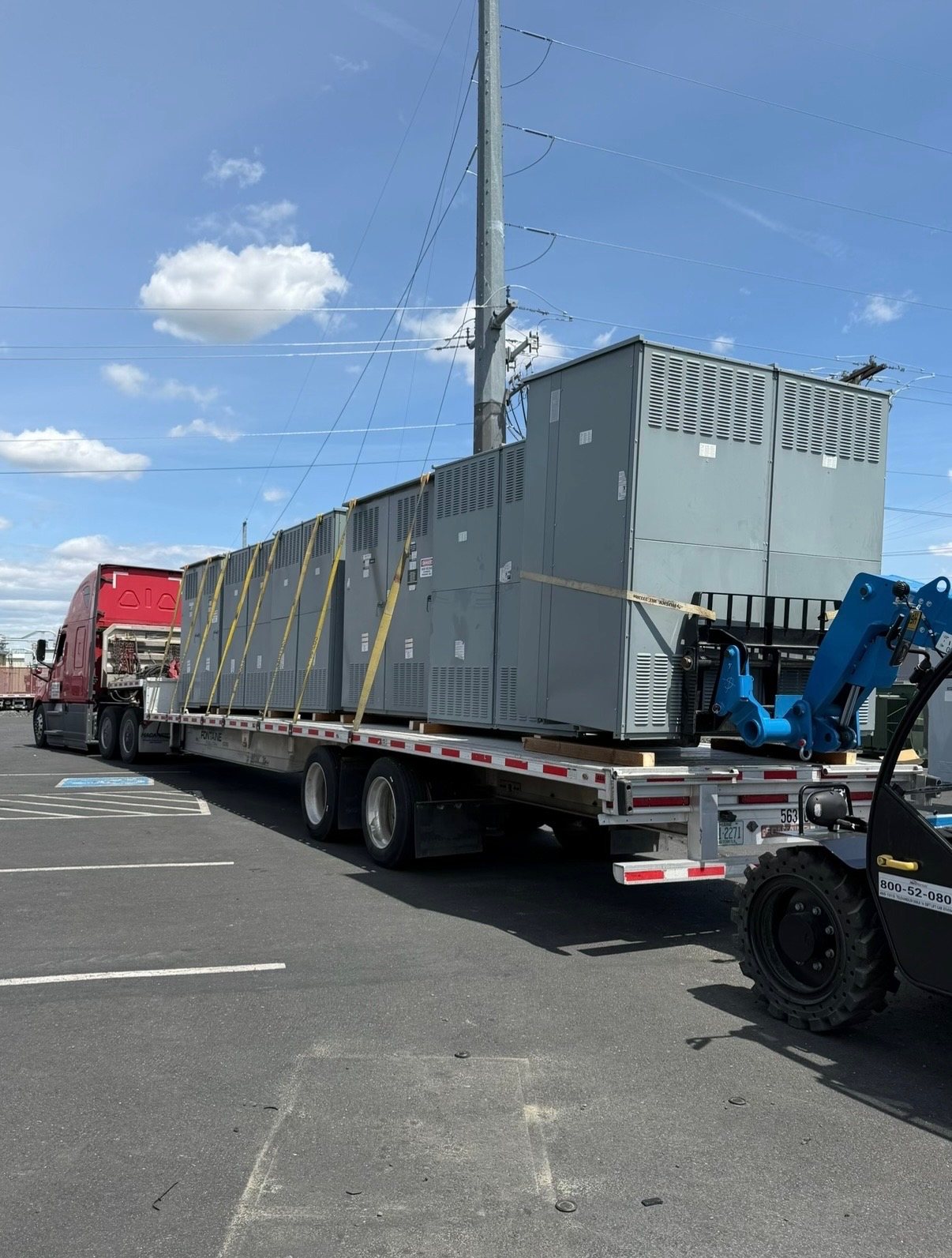
Submit the inventory and available records for assessment before arranging any work. Louisiana Switchgear Buyer considers the equipment and the information provided before deciding whether to make an offer; acceptance is not guaranteed, and no seller testing is required. If the parties agree to a transaction, the recovery plan addresses qualified disconnection, rigging, lifting, loading and freight or hauling, with those handling costs covered by the buyer under the agreed transaction. The seller’s preparation is therefore documentation and coordination—not physical removal. Confirm which assets are included, identify unresolved access details and keep site controls in place until qualified professionals coordinate the work.
Buyer notes
Send the facts that move the review forward.
Include the nameplate, lineup or device photos, approximate quantity, visible condition and where the equipment is located. We buy equipment; we do not sell replacement gear or represent a test result that has not been provided.
Start with the nameplate
Request a quote
Tell us what you have. We buy switchgear from decommissioned data centers, shut-down power plants and other facilities. Crane, rigging, disconnects, loading, freight and hauling are on us. You do nothing but get paid.