Before arranging a sale of electrical equipment from a retired power plant, establish what is present, how each item is grouped, and what can be documented safely from accessible markings and records. Medium-voltage switchgear, station-service gear, breakers, MCCs, auxiliary panels, and control equipment can differ substantially in completeness and recovery needs. A structured inventory helps support an informed assessment without assuming condition or operation.
Start with assemblies, not assumed operating systems
List the equipment by identifiable assembly: switchgear lineup or section, standalone breaker, motor control center, auxiliary panel, or control cabinet. Note which components appear to belong together and which are separate items. In a retired generation facility, station-service equipment may sit alongside generation-related controls and distribution gear, but physical proximity alone does not establish that pieces form one system. Record visible section labels and relationships shown on available schedules. Do not energize equipment or open compartments to investigate. Leave electrical access and isolation to qualified professionals, and describe uncertain relationships as unknown.
Separate complete gear from loose devices
For each lot, answer two practical questions: what remains in a complete assembly, and what devices or accessories are loose? Identify breakers installed in sections separately from breakers stored nearby, and note loose trip units, racking accessories, control components, or covers only when they are plainly identifiable. Avoid assigning a loose device to a lineup based solely on appearance. Record apparent gaps or missing pieces without concluding that an assembly is unusable. These distinctions matter to assessment, handling, and potential recovery planning. A buyer reviews the described equipment before making an offer; acceptance is not automatic.
Capture visible identifiers and ratings
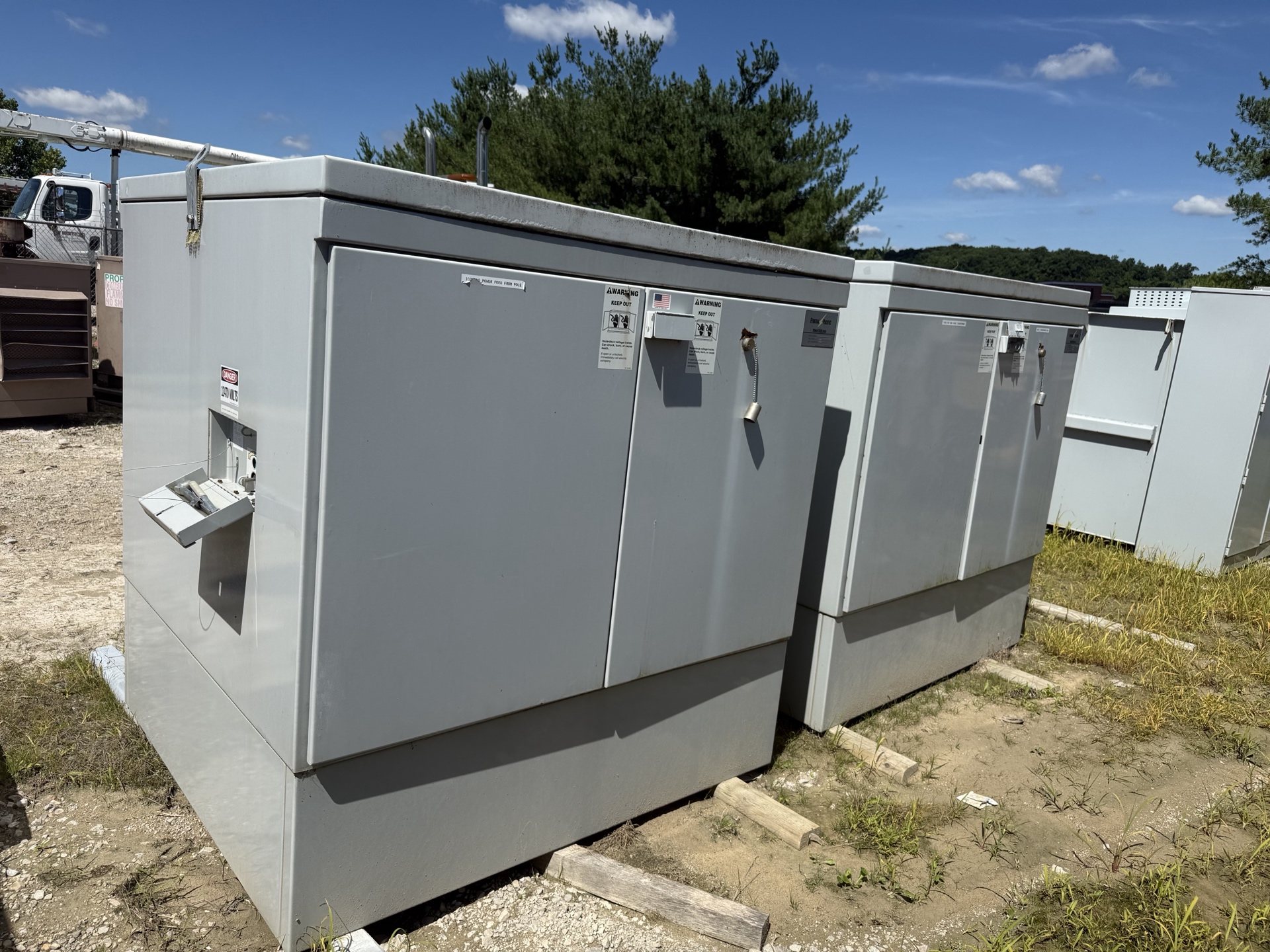
Transcribe manufacturer and model markings, catalog or type designations, serial numbers, voltage and current ratings, interrupting ratings where marked, and section identifiers. Photograph nameplates and exterior labels from a safe, accessible position; keep images legible and associate each with the corresponding inventory line. Record unreadable, obscured, or absent markings as such rather than filling gaps from memory or neighboring equipment. Ratings help distinguish gear that may look similar but has different electrical specifications. They do not establish present condition, completeness, or tested status, so do not describe undocumented equipment as operational.
Build a record set around what is known
Gather a one-line diagram or section schedule when available, nameplate images, a device list, and basic dimensions. Add access notes describing the route and visible constraints for professional removal, without attempting to assess lifting points or perform rigging work. Include ownership or authorization status so the sale can be considered by the party entitled to release the assets. Keep a separate list of unresolved questions, such as whether a breaker belongs to a particular section or whether control wiring remains with a panel. Clear records help distinguish evidence from assumptions and make an initial review more useful.
Describe staging without moving electrical gear
Safe staging begins with a clear account of where equipment is located and what is around it, not with seller-led disassembly or relocation. Note whether assemblies are indoors or outdoors, their approximate dimensions, visible access restrictions, and whether loose components are already segregated. Do not move breakers, remove covers, cut connections, or position equipment for lifting. Electrical isolation, qualified disconnection, rigging, crane work, loading, and hauling are handled by qualified professionals as part of the removal process. If access conditions are uncertain, state that plainly so they can be reviewed before a recovery plan is set.
Request an assessment before planning the sale
Send the inventory and supporting records for review before making assumptions about value or disposition. Include the equipment scope, visible identifiers, completeness notes, dimensions, access information, and unresolved items. The buyer assesses the described assets and may make a cash offer; an offer and acceptance are not guaranteed. No seller testing is required. This is particularly useful where retired plant equipment has unknown service history or incomplete records: describe what is documented, not what the gear might once have supplied. All voltage classes are considered, including medium-voltage equipment, but assessment depends on the actual items presented.
Agree on scope, then coordinate recovery
If an offer is made and accepted, confirm which assemblies and loose items are included, along with any exclusions and the available documentation. Payment is made upfront on agreed transactions. Coordinate access and removal details with the buyer rather than undertaking electrical or rigging work yourself. The buyer handles and pays for qualified disconnects, crane and rigging needs, loading, freight, and hauling. This sequence keeps the asset list, sale terms, and recovery scope aligned. It also avoids treating a staging description as authorization to disturb equipment before qualified professionals manage the work.
Buyer notes
Send the facts that move the review forward.
Include the nameplate, lineup or device photos, approximate quantity, visible condition and where the equipment is located. We buy equipment; we do not sell replacement gear or represent a test result that has not been provided.
Start with the nameplate
Request a quote
Tell us what you have. We buy switchgear from decommissioned data centers, shut-down power plants and other facilities. Crane, rigging, disconnects, loading, freight and hauling are on us. You do nothing but get paid.