A privacy-conscious switchgear recovery starts with a clear picture of what is present and what information can be shared. Before arranging removal, document the equipment, its apparent completeness, identification details, and practical access constraints without exposing sensitive site information. Louisiana Switchgear Buyer reviews the available information, assesses the equipment, and coordinates removal with qualified professionals if an offer is accepted.
Share only the site details needed for review
You can describe the recovery location in general terms at first, such as a building area or site zone, rather than circulating floor plans or security-sensitive records. Include the access facts that affect planning: whether equipment is indoors, the route to a loading point, and any known limits on entry or vehicle movement. Keep badge procedures, alarm details, camera locations, and security contacts restricted to the people who need them. A focused summary lets the equipment and access be reviewed without placing unrelated site information in routine correspondence.
Inventory complete lineups and loose components
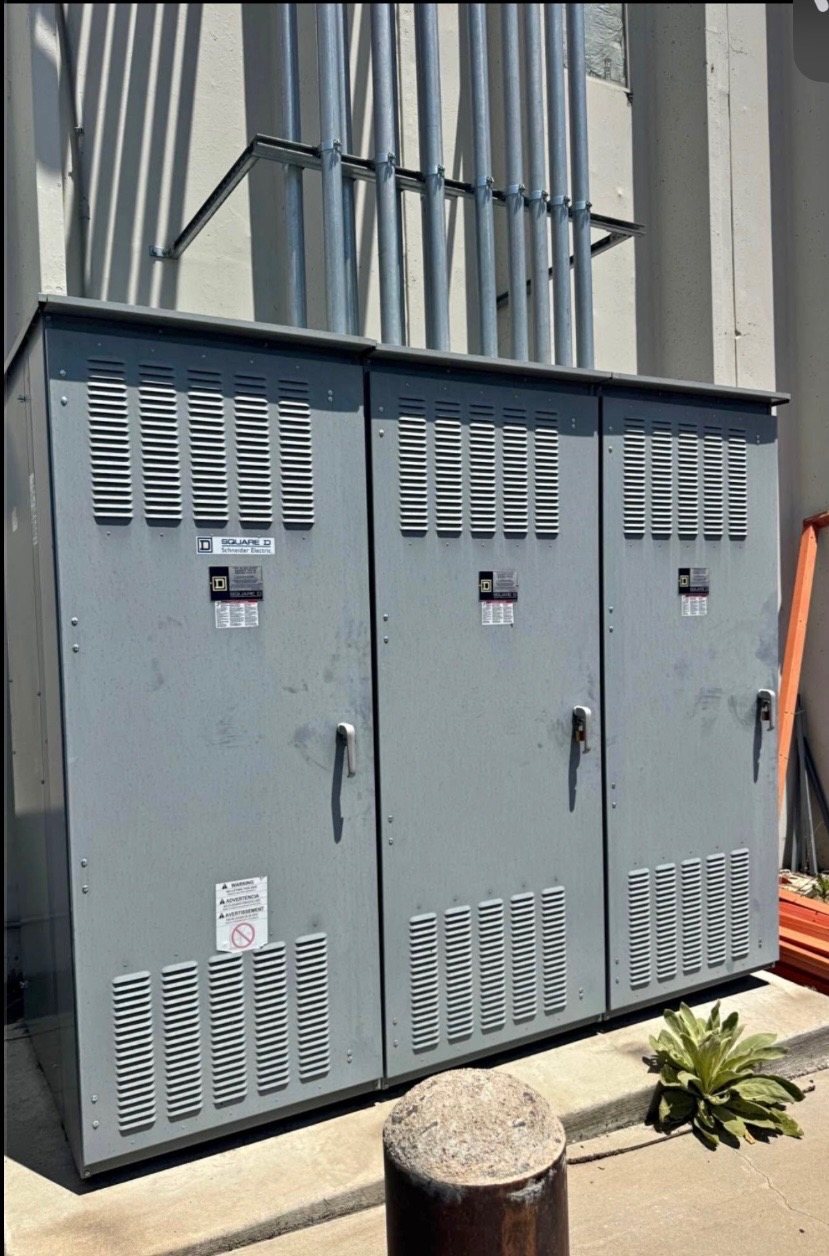
List the equipment by type and identify whether it remains assembled or has already been divided into sections. A lineup may include switchgear, switchboards, MCCs, unit substations, busway, or transformer-connected assemblies; loose breakers and accessories should be listed separately. Note missing sections, removed doors, disconnected bus links, or components stored elsewhere when those facts are known. Photographs can help show completeness, but frame them to exclude confidential displays, documents, or security features. Do not open energized compartments or handle equipment to improve a photograph; qualified personnel must manage any necessary inspection.
Capture electrical identification without assumptions
Record visible nameplate and label information only where it can be observed safely, including manufacturer, catalog or model details, ratings, and identification numbers. A lineup may contain several sections with different labels, so note which visible identifier belongs to which section when clear. Do not infer voltage, interrupting rating, or compatibility from appearance, and do not describe equipment as operational or tested unless reliable documentation supports that statement. If labels are obscured or unavailable, say so. The review can proceed with incomplete records, though equipment assessment and any offer depend on the information available.
Document dimensions and lifting information carefully
Approximate dimensions, weight, section count, shipping splits, and lifting-point details can inform removal planning, but share figures only when they are documented. Identify whether a measurement applies to one section, a complete lineup, or a separated assembly; avoid presenting an estimate as a verified specification. A visible lifting mark or drawing may be useful, but it does not authorize a lift or confirm the condition of a lifting point. Qualified rigging professionals determine handling methods after reviewing the equipment and site. Sellers should not attach lifting gear, move sections, or undertake preparation work.
Describe access and loading conditions
For practical logistics, explain the route from equipment position to the loading area, including known door, corridor, overhead, turning, or floor restrictions. Note whether loading is expected at a dock or ground level and describe the loading surface when that information is available. Flag shared routes, restricted operating hours, escort requirements, and areas that must remain private. Safe staging information can identify a suitable area for coordination, but it should not invite unqualified staff to relocate equipment. Louisiana Switchgear Buyer handles and pays for agreed removal logistics, including qualified disconnects, rigging, loading, freight, and hauling.
Keep access restrictions in the planning record
Separate equipment facts from site rules so each can be reviewed by the right people. A concise access note might identify required advance coordination, permitted entry windows, escort arrangements, photography limits, or restrictions on sharing drawings. Avoid sending access credentials or sensitive security procedures through ordinary equipment records. If a restriction affects a route or loading location, describe its practical effect without disclosing unnecessary security detail. The recovery plan must respect site controls, and physical work involving isolation, lifting, or movement remains the responsibility of qualified professionals—not the seller or general site staff.
Move from review to a controlled recovery
Once the inventory and access summary are available, Louisiana Switchgear Buyer assesses the equipment before making any offer; acceptance is not guaranteed. If the parties agree on a transaction, the next step is to coordinate access, qualified disconnects, rigging, loading, and transport around the documented restrictions. You do not need to test the equipment, disconnect it, or arrange removal work. Keep records and photographs limited to what supports assessment and logistics, and confirm who may receive them. On agreed transactions, payment is made upfront, while the physical recovery is handled by qualified professionals.
Buyer notes
Send the facts that move the review forward.
Include the nameplate, lineup or device photos, approximate quantity, visible condition and where the equipment is located. We buy equipment; we do not sell replacement gear or represent a test result that has not been provided.
Start with the nameplate
Request a quote
Tell us what you have. We buy switchgear from decommissioned data centers, shut-down power plants and other facilities. Crane, rigging, disconnects, loading, freight and hauling are on us. You do nothing but get paid.