If you are reviewing 1,201–2,000 A switchgear marked 480Y/277 V, a useful first step is to define the complete lot and record what its labels actually say. Main-bus capacity, breaker details, section arrangement, and physical condition can affect how the equipment is assessed. Louisiana Switchgear Buyer reviews used, surplus, and decommissioned gear and may make a cash offer after assessment; acceptance is not guaranteed.
Define the equipment included in the lot
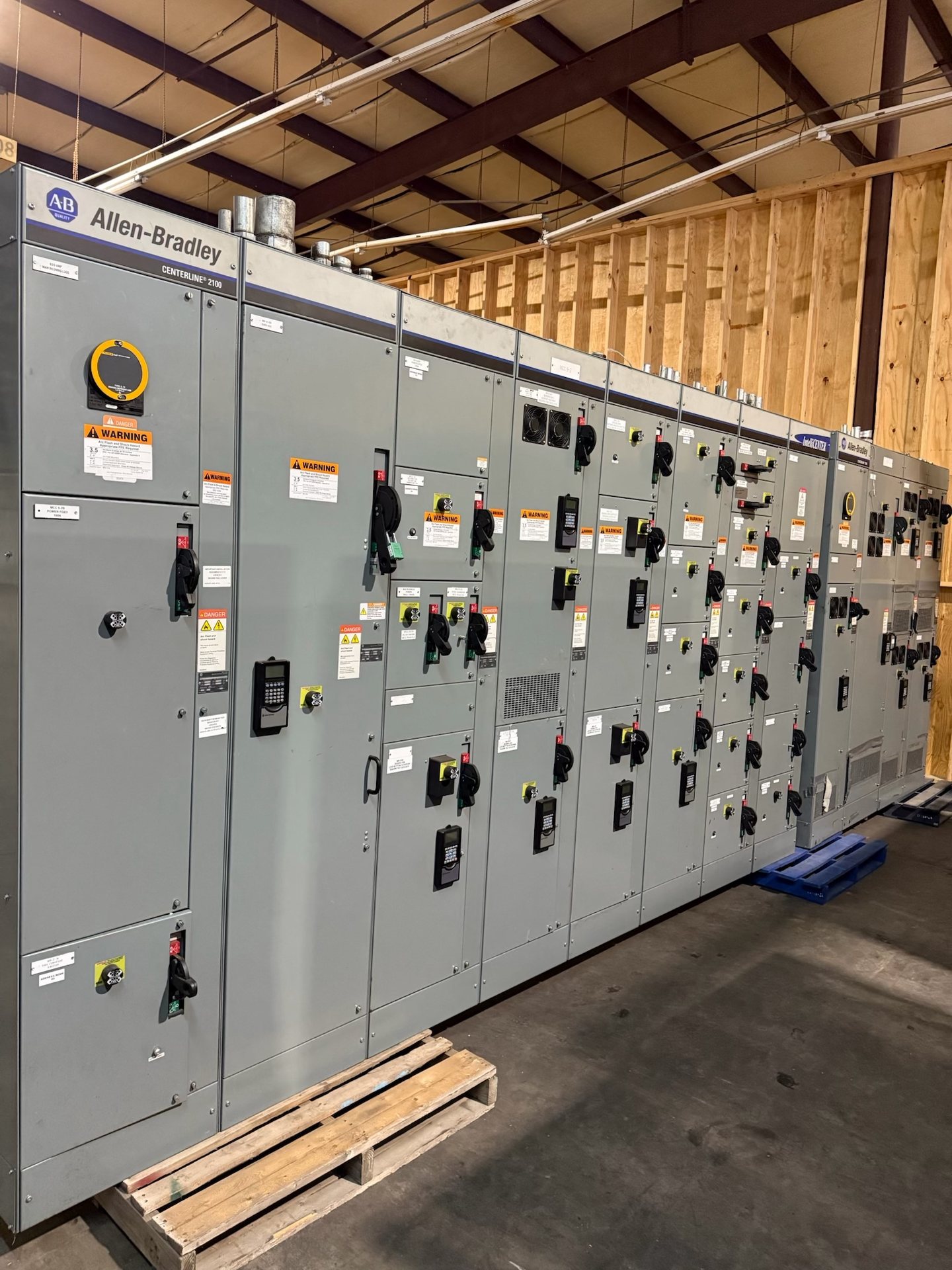
Describe whether the offering is a complete switchgear lineup or selected sections, and identify any separately offered breakers, busway, or related equipment. For a lineup, record the number of sections and how they are arranged, including the main section and distribution sections when identifiable. Note whether doors, covers, barriers, and listed devices appear present, missing, or detached. Do not assume loose components belong with the gear; list them separately and explain their association if known. A precise lot description helps reviewers distinguish a coherent assembly from a partial or mixed collection.
Record ratings in their nameplate context
Transcribe the exact marked amperage and voltage rather than rounding them to the page’s ranges. Capture the manufacturer, catalog or type designation, and any rating qualifiers shown on the equipment label. Distinguish the main bus rating from the frame rating of an individual breaker: those figures describe different equipment characteristics and should not be substituted for one another. Likewise, a continuous-current rating and an interrupting rating are not interchangeable. If labels are unclear or information is unavailable, report that plainly instead of inferring a value from appearance or neighboring sections.
Keep voltage, phase, and frequency distinct
A 480Y/277 V marking identifies a voltage configuration; it does not by itself establish how the assembly was connected or used in a particular installation. Record the marked voltage as printed and separately note any visible phase and frequency information. Do not infer a system rating from a building’s assumed service or from the equipment’s former application. If the switchgear includes labels with different values, describe which section or device carries each marking. This separation gives the reviewer a clearer basis for understanding the lineup and avoids treating nominal system use as a substitute for equipment markings.
Describe the bus, devices, and lineup
For this large distribution range, bus layout, the main device, bracing information, and section dimensions can materially affect review. Record the main device’s visible designation and the device list by section, including breaker labels where readable. Note any marked bus or short-circuit bracing values without assuming that a breaker’s interrupting rating establishes the assembly’s rating. Provide overall lineup dimensions and, if practical, dimensions for individual sections. If you cannot verify a detail from an accessible label or documentation, mark it unknown. Do not open energized compartments or handle equipment to obtain information.
Report visible condition and completeness
A concise condition description should identify what can be seen without disturbing the equipment: for example, exterior damage, corrosion, missing covers, or signs of incomplete sections. State whether the equipment appears complete based on your available records and visual observation, and identify known omissions. Avoid describing it as operational, serviceable, or tested unless you have reliable supporting documentation. Louisiana Switchgear Buyer does not require seller testing for review. Photographs of exterior nameplates, lineup views, and visible device labels can supplement the record, provided they can be taken safely without approaching exposed or energized parts.
Share records and disclose uncertainties
A useful review package brings together exact marked ratings, manufacturer and catalog information, section count, enclosure description, dimensions, device list, visible condition, and completeness. Add available drawings, equipment schedules, or prior inventory records when they clearly correspond to the offered gear. Flag discrepancies between documents and labels rather than choosing one value without explanation. Mention whether the equipment is used, surplus, or from a decommissioned facility, including a data center or shut-down power plant where applicable. The assessment comes before an offer, and a complete description supports review without guaranteeing acceptance.
Coordinate assessment and recovery
After reviewing the information, Louisiana Switchgear Buyer may make a cash offer for equipment it is prepared to purchase. If both parties agree to a transaction, payment is made upfront on the agreed terms. No seller testing is required. The buyer handles and pays for qualified electrical disconnects, crane and rigging, loading, freight, and hauling as part of coordinated removal. Leave electrical isolation, lifting, rigging, and all removal work to qualified professionals; do not attempt to disconnect, move, or prepare the switchgear yourself. Confirm the accepted lot and removal scope before recovery is scheduled.
Buyer notes
Send the facts that move the review forward.
Include the nameplate, lineup or device photos, approximate quantity, visible condition and where the equipment is located. We buy equipment; we do not sell replacement gear or represent a test result that has not been provided.
Start with the nameplate
Request a quote
Tell us what you have. We buy switchgear from decommissioned data centers, shut-down power plants and other facilities. Crane, rigging, disconnects, loading, freight and hauling are on us. You do nothing but get paid.