Preparing surplus Allen-Bradley equipment for review starts with accurate identity and physical dimensions. Record the exact nameplate wording, series or family, catalog or model number, and any relevant revision or accessory identifiers. Then describe the equipment type, section or frame geometry, and what devices and loose parts are included. These details help distinguish similar-looking motor-control and automation assemblies without assuming their condition or configuration.
Capture the nameplate and legacy markings
Photograph each accessible nameplate and label without opening energized compartments or disturbing wiring. Transcribe the wording as it appears, including catalog or model number, series, serial or asset identifier where appropriate, and revision details. Allen-Bradley equipment spans motor control, starters, drives, and automation, so a brand name alone is not enough to identify an assembly. Include older handwritten or stamped markings as separate observations rather than treating them as definitive specifications. If a label is missing, damaged, or unreadable, say so; do not infer a catalog number from appearance.
Describe dimensions as measured information
Record the exterior height, width, and depth of each cabinet, section, or standalone device, identifying the measurement units and what the figures include. For multi-section gear, note the number of sections and give dimensions for each where practical, along with the overall lineup footprint. Distinguish cabinet dimensions from projecting handles, conduit hubs, or other visible features. Use measurements taken by a qualified person under safe conditions; do not approach electrical hazards to obtain them. If dimensions are approximate, label them accordingly. Clear measurements help assess handling and transport needs, but do not establish internal configuration.
Identify equipment type and section geometry
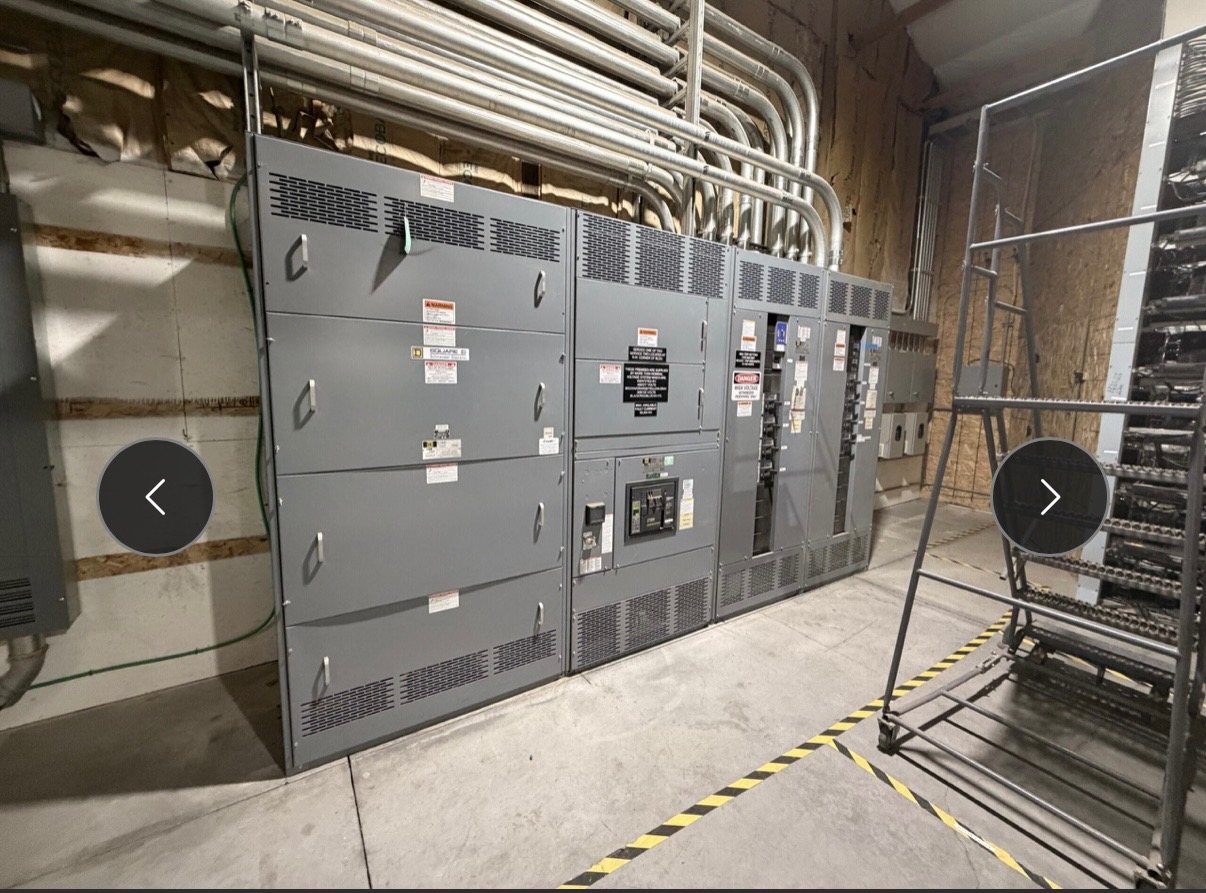
State whether the item is a motor control center, starter, drive, control panel, or another type of assembly, based on its markings and available records. Describe the visible arrangement: section count, approximate section widths, enclosure form, and whether the unit is floor-mounted, wall-mounted, or another mounting style. For a lineup, note which section appears to contain the incoming device and where feeder or control sections sit, if that can be established safely from existing documentation or exterior labels. Avoid guessing at ratings or function from cabinet shape. Photos of the exterior and labels can clarify your description.
List devices, revisions, and included parts
For each main or feeder device, record its identification and apparent position, using existing labels or documentation where available. Note a trip-unit or controller designation only when it can be read without opening equipment. Include revision or accessory identifiers that may affect how components fit together. Make a separate inventory of loose parts, such as documented mounting hardware, buckets, or accessories, and say whether each item is included or has been removed. Do not assume a loose component belongs to a particular section unless records or markings support that link. A precise inventory is more useful than a broad claim that everything is complete.
Assemble a review package without altering the gear
Bring together the transcription, dimension list, exterior photographs, and any available drawings, purchase records, or prior asset schedules. Keep files grouped by lineup, section, or individual device so identifiers remain connected to the right item. Mention known gaps, such as an absent controller, incomplete records, or an uncertain accessory match. Do not test, energize, dismantle, or open the equipment to improve the package; seller testing is not required. Any inspection involving electrical isolation, lifting, or access to hazardous areas belongs to qualified professionals. Documentation supports an initial assessment, but equipment still requires review before an offer.
Request an assessment and consider the offer
Send the inventory for review by Louisiana Switchgear Buyer, including the equipment location in Louisiana and whether the assets are surplus, being removed from service, or part of a decommissioning. The buyer purchases used, surplus, and decommissioned electrical equipment, including Allen-Bradley gear, but acceptance is not automatic. An assessment considers the specific identity, configuration, dimensions, included parts, and other available information. Do not describe equipment as operational or tested unless that status is established and documented. If an offer is made, review its scope and agreed transaction terms before deciding whether to proceed; cash offers are available.
Coordinate removal, loading, and payment
Once a transaction is agreed, coordinate access, equipment boundaries, and site requirements with the buyer before removal. Louisiana Switchgear Buyer handles and pays for qualified disconnects, crane and rigging, loading, freight, and hauling on agreed purchases; the seller should not perform electrical or rigging work. Keep the asset inventory available so the agreed equipment and any included loose parts can be reconciled during handoff. Payment is made upfront on agreed transactions. Confirm the payment and removal arrangements as part of the transaction, and leave isolation, lifting, and electrical work to qualified professionals.
Buyer notes
Send the facts that move the review forward.
Include the nameplate, lineup or device photos, approximate quantity, visible condition and where the equipment is located. We buy equipment; we do not sell replacement gear or represent a test result that has not been provided.
Start with the nameplate
Request a quote
Tell us what you have. We buy switchgear from decommissioned data centers, shut-down power plants and other facilities. Crane, rigging, disconnects, loading, freight and hauling are on us. You do nothing but get paid.