If you have surplus electrical equipment in Breaux Bridge, Louisiana, a clear inventory helps determine what may suit a buyer’s review. A lot can include complete assemblies, separate breakers, accessories, or equipment removed from a facility. Start by identifying what is present, recording visible details, and noting access conditions. Louisiana Switchgear Buyer assesses the equipment before making an offer; acceptance is not guaranteed.
Define the lot before documenting it
List the equipment you want considered, separating distinct assemblies and loose components rather than describing everything as one switchgear lot. Possible items include switchgear, switchboards, motor control centers, panelboards, busway, automatic transfer switches, breakers, and unit substations. Include equipment from a decommissioned data center or shut-down power plant when applicable. Note whether accessories are stored with a specific assembly or are unassigned. This first pass helps distinguish a complete lineup from individual sections or devices and gives the reviewer a practical basis for assessing the offered lot.
Record identifying details consistently
For each assembly or group of matching devices, record quantity, manufacturer as marked, model or catalog number, voltage class, amperage, and phase when visible. Capture the information as printed; do not infer missing values from another component or assume adjacent equipment has identical ratings. Add dimensions for larger assemblies if they can be measured safely without disturbing equipment. If a nameplate is unreadable or inaccessible, mark the field unknown rather than guessing. Consistent records help a buyer compare sections, identify mixed lots, and decide what additional information could affect review.
Describe condition and completeness plainly
Report visible condition in factual terms: for example, whether a cabinet appears intact, whether doors or covers are present, or whether corrosion, impact, or missing parts are apparent from a safe viewpoint. Describe completeness separately from appearance. A lineup may look orderly while having removed devices, missing barriers, or loose components; identify those observations if known. Do not call equipment operational, tested, or ready for service unless that status is supported by reliable records. No seller testing is required for buyer review. Leave inspection of electrical interiors and any energized equipment to qualified professionals.
Photograph for useful context
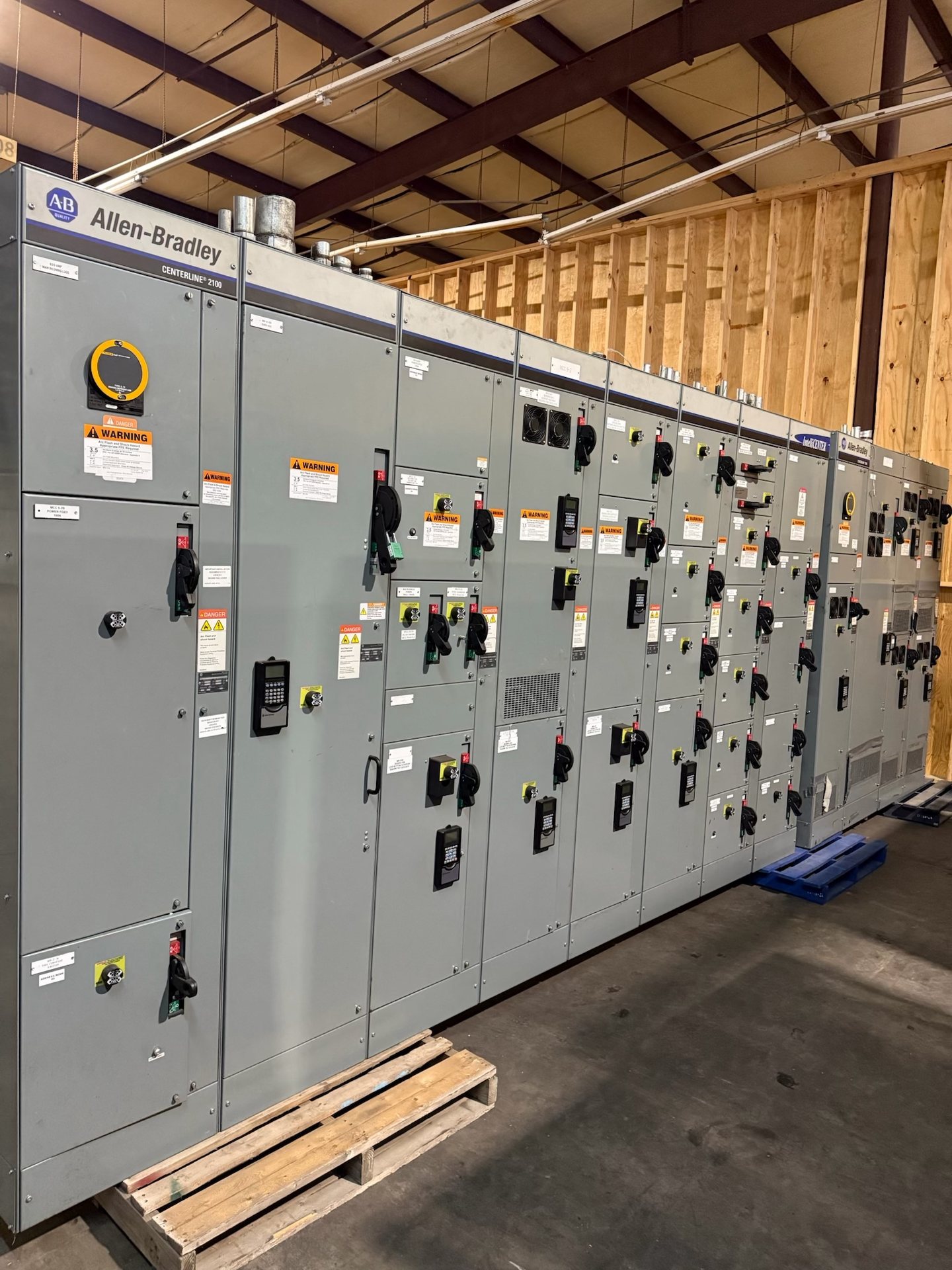
Take a wide context view that shows the equipment group without including an address or customer signage. Add a readable nameplate image where safely accessible, a full-assembly view, representative device photos, and a picture of loose accessories beside a scale reference. Keep images tied to the inventory by labeling them with an item or section number. Avoid moving covers, opening energized compartments, or entering restricted areas to improve a photograph. If a detail cannot be captured safely, note that limitation instead. A small, organized photo set is more useful than many uncaptioned images.
Flag unknowns that change the review
Identify uncertainties directly: missing nameplate data, unknown voltage class, unclear ownership of loose devices, incomplete sections, or uncertain dimensions. Add safe access notes, such as whether the equipment is indoors, whether aisles are restricted, and whether a qualified site contact must coordinate access. Do not guess at weight, lifting points, disconnection status, or transport readiness. These details can affect whether and how a lot is reviewed and recovered. If equipment remains connected or its isolation status is unclear, state that plainly; only qualified personnel should handle electrical isolation or disconnection.
Coordinate recovery with qualified crews
Once the equipment is assessed and an offer is accepted, recovery is coordinated around the site’s access and handling requirements. Louisiana Switchgear Buyer handles and pays for qualified disconnects, crane and rigging, loading, freight, and hauling on agreed transactions. Sellers should not disconnect, dismantle, lift, or load equipment themselves. Share known access restrictions and site coordination requirements so qualified professionals can plan the work. The buyer does not require seller testing. Do not assume equipment is isolated or safe to approach; electrical work, lifting, and rigging remain tasks for qualified professionals.
Understand the offer and transaction decision
The buyer reviews the listed equipment and available records before making a cash offer; submitting an inventory does not guarantee acceptance. Review may consider the lot’s identity, quantity, completeness, visible condition, and practical recovery information. If an offer is agreed, payment is made upfront on that transaction, with removal and transportation handled as coordinated. Include all equipment you want considered, but distinguish items you are unsure about or may retain. A concise, candid inventory from Breaux Bridge gives both sides a clearer basis for deciding whether the surplus equipment is a fit.
Buyer notes
Send the facts that move the review forward.
Include the nameplate, lineup or device photos, approximate quantity, visible condition and where the equipment is located. We buy equipment; we do not sell replacement gear or represent a test result that has not been provided.
Start with the nameplate
Request a quote
Tell us what you have. We buy switchgear from decommissioned data centers, shut-down power plants and other facilities. Crane, rigging, disconnects, loading, freight and hauling are on us. You do nothing but get paid.