If you have surplus electrical equipment in Carencro, Louisiana, a clear inventory can help a buyer decide what merits review. Start with information already available in facility records and photographs taken from safe, authorized positions. Switchgear, switchboards, motor control centers, panelboards, busway, breakers, automatic transfer switches and unit substations can all be considered. No seller testing is required; equipment is assessed before an offer, and acceptance is not guaranteed.
Build an inventory from existing records
Begin with the equipment list, asset register, maintenance files or project documents your facility already maintains. Record the quantity of each assembly or device and note whether the count is confirmed or approximate. Distinguish a complete lineup from separate sections, spare breakers or loose accessories. For equipment in Carencro, identifying the building or area in your internal records can help your team locate it, but omit addresses and customer identifiers from materials shared for review. A concise inventory is more useful than a long narrative, especially when multiple equipment types are included.
Capture identification without disturbing equipment
Copy the manufacturer as marked and the model or catalog number from existing records or a nameplate that is already safely visible. A readable nameplate photograph can help confirm transcription, but do not open compartments or approach equipment where access is unsafe. If a label is obscured, damaged or unavailable, mark the field unknown rather than guessing. Manufacturer and model details help distinguish equipment that may look similar from the outside. They also give a buyer a starting point for comparing the listed assembly with its visible configuration and the records supplied.
Record electrical ratings as documented
Include voltage class, amperage and phase when those ratings are available in records or safely visible markings. Preserve the wording and units shown rather than converting values or inferring a rating from adjacent equipment. If records conflict, note the discrepancy and identify the source of each figure. These details help a buyer understand the general electrical class and intended configuration during review; they do not establish current operating condition. Do not energize, test or handle equipment to fill in missing fields. A clearly marked unknown is preferable to an unsupported rating.
Describe dimensions and visible condition
Use recorded dimensions when available, and specify whether they describe one section, a full lineup or a separate component. Note visible exterior observations in neutral terms: for example, paint damage, missing covers visible from the outside, corrosion, or an uncertain condition. Avoid calling equipment operational, service-ready or tested unless reliable documentation supports that exact statement. Completeness is a separate field: list known sections, devices and accessories, then identify anything believed missing or not yet accounted for. This information helps a buyer understand the scope of the material being reviewed without asking you to dismantle or inspect it.
Take safe, useful exterior photographs
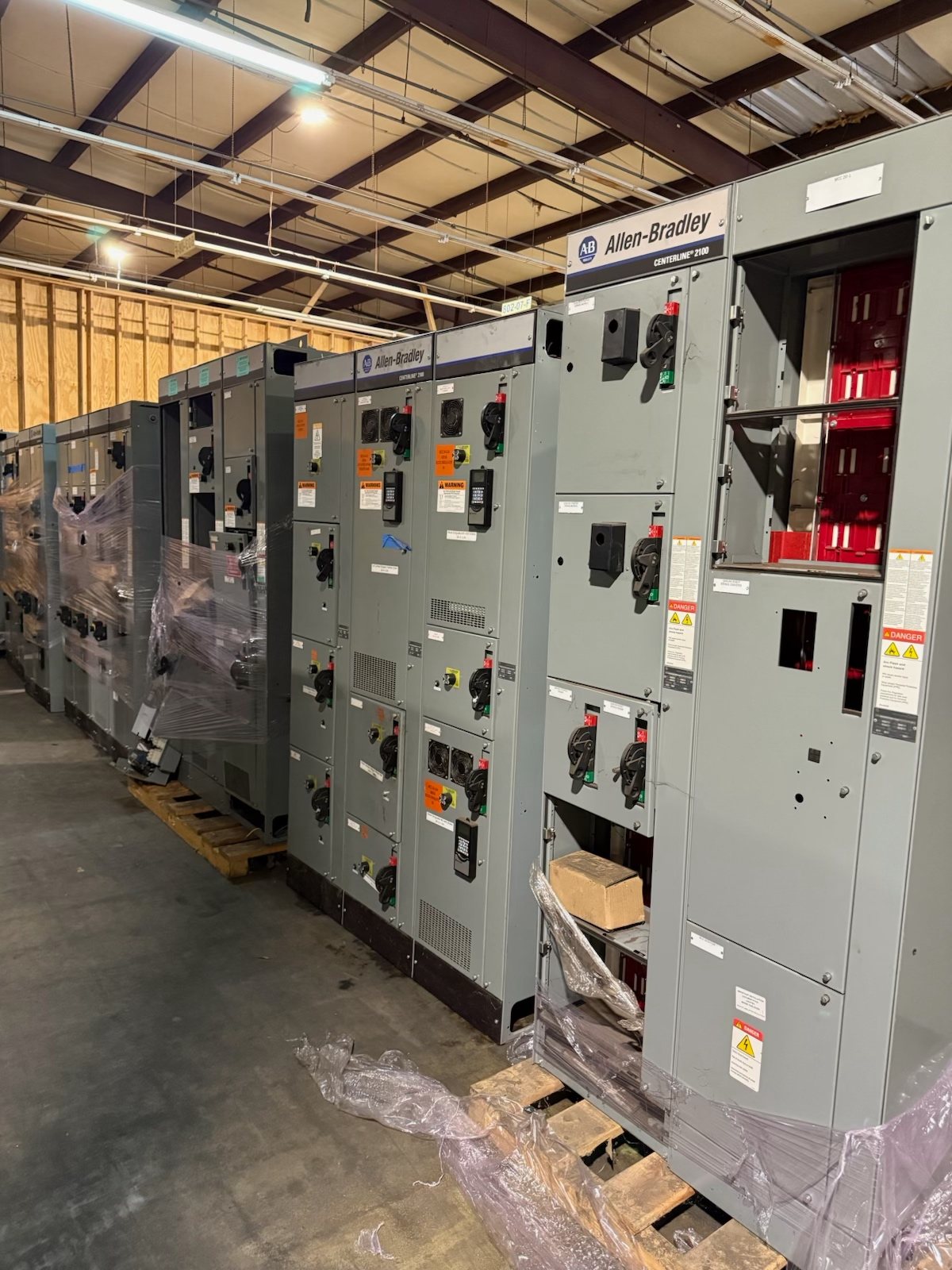
Photographs should be made only from safe, authorized positions and without opening energized compartments or moving components. A wide context view can show the assembly’s overall arrangement; frame it to exclude addresses and customer signage. Add a readable nameplate image only if the plate is already accessible without unsafe approach. A full assembly view and representative device images help show configuration, while loose accessories can be pictured beside a scale reference. Do not climb, enter restricted areas or reposition equipment for a better shot. Leave any access or isolation work to qualified professionals.
Flag access and completeness questions
Use safe access notes to describe what a buyer or removal team should know without attempting work yourself. Examples include whether the equipment is indoors or outdoors, whether the route appears restricted, or whether access details need confirmation by facility staff. Identify known loose parts and indicate whether they are stored with the assembly or separately. Never disconnect wiring, operate a breaker, arrange lifting, or prepare a load. Louisiana Switchgear Buyer handles and pays for qualified disconnects, crane and rigging, loading, freight and hauling on agreed transactions. Share concerns so removal requirements can be assessed by qualified personnel.
Submit details for buyer assessment
Send the inventory, available records, safe exterior photographs and any uncertainties together, so the review can connect ratings and identification to the pictured assembly. Include switchgear, switchboards, motor control centers, panelboards, busway, automatic transfer switches, breakers and unit substations as applicable; equipment from decommissioned data centers or shut-down power plants is also considered. Louisiana Switchgear Buyer purchases used, surplus and decommissioned equipment across voltage classes, makes cash offers and pays upfront on agreed transactions. Each item is assessed before an offer, and acceptance is not guaranteed. Seller testing is not required.
Buyer notes
Send the facts that move the review forward.
Include the nameplate, lineup or device photos, approximate quantity, visible condition and where the equipment is located. We buy equipment; we do not sell replacement gear or represent a test result that has not been provided.
Start with the nameplate
Request a quote
Tell us what you have. We buy switchgear from decommissioned data centers, shut-down power plants and other facilities. Crane, rigging, disconnects, loading, freight and hauling are on us. You do nothing but get paid.