When a data center is decommissioned, photographs can help identify electrical equipment without exposing details that do not belong in a sale review. Frame images around the equipment, its visible ratings, and how assemblies relate to one another. Exclude screens, documents, access credentials, and other sensitive information. Pair each image with a concise inventory record so the equipment can be assessed on evidence rather than assumptions about the former facility.
Define the lot by physical equipment
Start with a list of the electrical assets being offered: switchboards, automatic transfer switch (ATS) units, busway, power distribution units (PDUs), breakers, and related distribution assemblies. Identify each assembly separately, even when several items appear in one photograph. Note whether a listed item is a complete assembly, a section of a larger lineup, or a component removed from its original position. Include associated accessories only when they are actually present, and describe them as loose or installed. This boundary helps distinguish equipment included in the proposed lot from items that remain with the site or belong to another party.
Photograph equipment without exposing sensitive information
Use views that show the equipment’s exterior, overall arrangement, and visible nameplates while keeping the frame focused on the asset. Avoid photographing computer screens, network diagrams, rack labels, badges, keys, access-control devices, paperwork, or readable facility identifiers. If a label contains both equipment data and sensitive information, provide a separate close-up of only the relevant rating information where practical. Do not open energized compartments or move covers to obtain an image. Photography should be limited to areas accessible under site procedures and taken by people authorized to be there.
Capture identifiers and ratings as visible evidence
For each item, record manufacturer and model information only when legible, along with visible voltage, current, frequency, interrupting rating, enclosure or frame details, and catalog numbers where shown. State whether a value is read from a nameplate, a drawing, or another record; do not fill gaps by inference. A clear photograph can support the transcription, but it does not establish that the equipment is operational or tested. If a plate is obscured, damaged, or missing, mark that field as unknown instead of guessing. Preserve the original image and associate it with the corresponding inventory entry.
Separate complete assemblies from loose devices
Describe what remains together. For a switchboard, note the number of visible sections and whether the lineup appears intact; for an ATS, identify the unit as an assembly if its enclosure and associated components are present. List loose breakers, controls, or accessories separately, including quantity and any readable identifier. For busway and PDUs, distinguish complete sections or units from individual fittings and removed devices. Use photographs to show the relationship between items, but do not claim completeness based on appearance alone. If parts are stored apart from the main equipment, label their location in the inventory and keep the relationship provisional.
Record unknowns and supporting documents
Unknown information is useful when clearly stated. Flag missing nameplates, uncertain section boundaries, unverified accessory counts, and unclear ownership or authorization status. Attach a one-line diagram or section schedule when available, and identify its date or revision if known. Include a device list, dimensions, and access notes where these records exist, but distinguish documented facts from estimates. Do not assume a drawing matches the equipment currently on site. Keep filenames or inventory IDs consistent across documents and photos so reviewers can trace each detail without revealing unrelated facility information.
Make access and removal conditions clear
Give practical access notes without disclosing security-sensitive routes or credentials. Describe relevant constraints such as whether the equipment is indoors, its approximate location within the work area, and known loading or staging limitations, if authorized to share. Note whether equipment remains connected or whether its isolation status is unknown; do not attempt a disconnect for photographs or inventory. Electrical isolation, disconnection, lifting, rigging, loading, and hauling must be handled by qualified professionals. Louisiana Switchgear Buyer coordinates and pays for these services on an agreed transaction, so sellers do not need to undertake that work.
Support a grounded review and coordinated recovery
A useful submission combines a lot list, privacy-conscious photos, visible nameplate details, dimensions, available schedules, and an honest account of unknowns. This lets the buyer assess the equipment before making any offer; acceptance is not guaranteed. No seller testing is required. If the transaction is agreed, payment is made upfront as agreed, and the buyer handles and pays for qualified disconnects, crane and rigging, loading, freight, and hauling. Keep equipment identity and ownership or authorization information clear, and coordinate site access through the responsible parties. This process applies to eligible assets from decommissioned data centers as well as other sources.
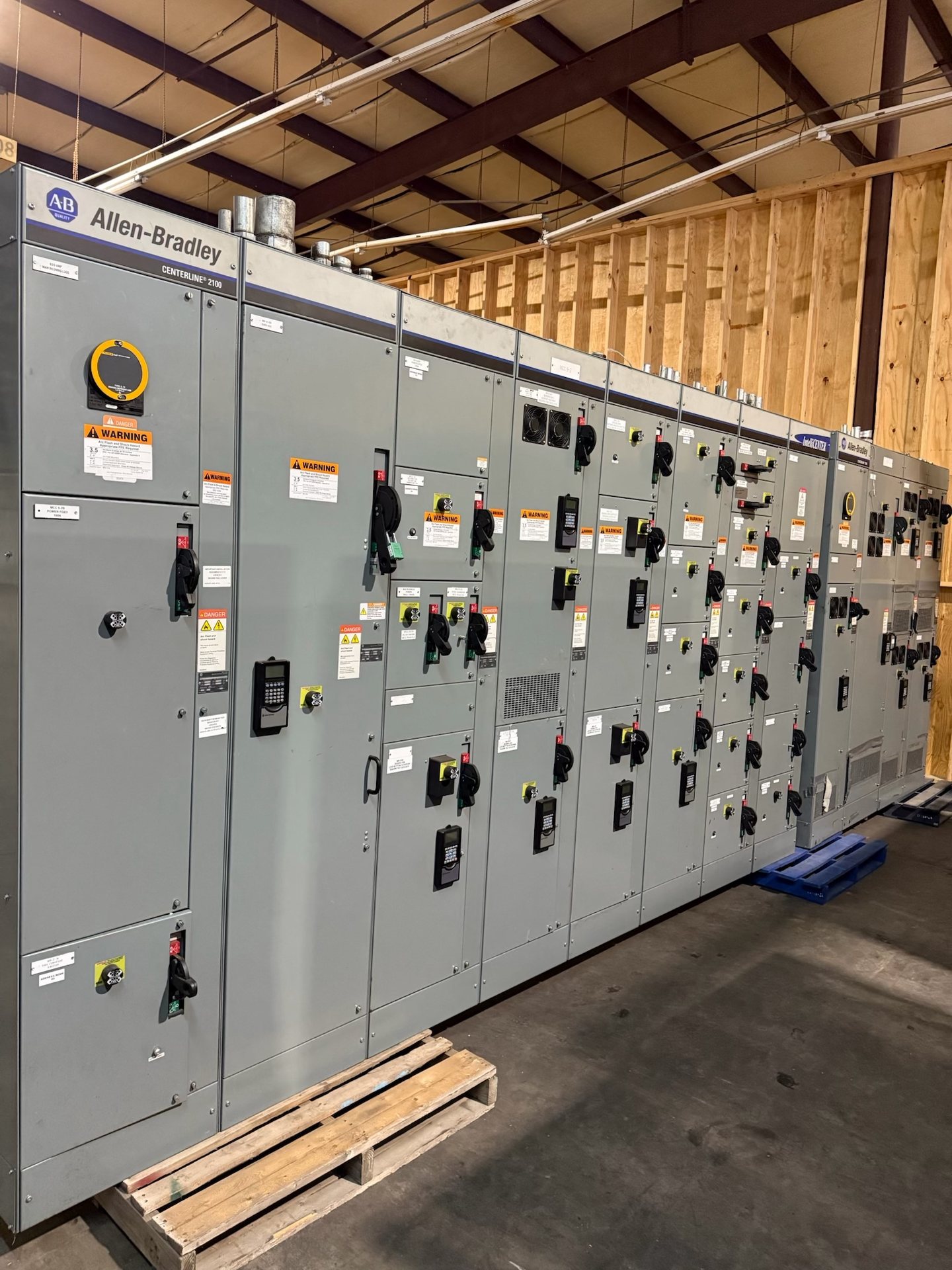
Buyer notes
Send the facts that move the review forward.
Include the nameplate, lineup or device photos, approximate quantity, visible condition and where the equipment is located. We buy equipment; we do not sell replacement gear or represent a test result that has not been provided.
Start with the nameplate
Request a quote
Tell us what you have. We buy switchgear from decommissioned data centers, shut-down power plants and other facilities. Crane, rigging, disconnects, loading, freight and hauling are on us. You do nothing but get paid.