When an industrial plant closes, electrical equipment may be grouped by area, dismantled in stages, or left in place pending removal. Safe staging helps preserve a clear account of what is offered without asking your staff to handle electrical gear. Louisiana Switchgear Buyer reviews used, surplus, and decommissioned equipment, including process distribution, motor control centers, switchboards, panels, busway, breakers, and utility-area assemblies.
Separate complete assemblies from loose items
Start the inventory by distinguishing complete equipment from components gathered nearby. A motor control center lineup with sections, doors, and installed devices is a different lot from a pallet of loose starters or breakers. Likewise, a switchboard section may be offered with its associated devices, while spare devices may be separate. Note what belongs together based on visible labels, existing schedules, or your facility’s records; do not reconnect, remove, or rearrange electrical items to clarify a grouping. When relationships are uncertain, record the uncertainty rather than treating nearby equipment as a matched assembly.
Keep staging clear of removal activity
A useful staging plan identifies where equipment is located and whether access is constrained, without requiring plant personnel to move it. Distinguish gear still installed in a process area from equipment already set aside in a storage or laydown area. Record relevant access notes such as a narrow route, overhead obstruction, or restricted approach, using information available to your site team. Electrical isolation, disconnection, lifting, and rigging must be handled by qualified professionals. Louisiana Switchgear Buyer coordinates and pays for qualified disconnects, crane and rigging, loading, freight, and hauling on agreed transactions; sellers should not perform that work.
Capture identifiers and ratings as marked
Photograph visible nameplates and readable markings from a safe position, without opening energized compartments or removing covers. Useful details can include manufacturer, model or catalog number, voltage, current, interrupting rating, and section or device identifiers when those markings are visible. Record the exact text where legible and label unreadable fields as unclear rather than filling gaps from memory. Ratings help distinguish similar-looking panels, breakers, and busway sections, but a visible rating is not proof of operating condition. No seller testing is required for review, and equipment should not be represented as tested unless that status is supported by available records.
Use schedules to explain configuration
A one-line diagram or section schedule, when available, can help explain how process distribution, switchboards, and MCC sections relate to one another. Share the relevant existing document and note its date or revision if known. A drawing may describe an earlier configuration, so compare it with visible identifiers and flag differences instead of assuming the records are current. For panels or utility-area assemblies without a useful schedule, a clear equipment list may be more informative than a broad facility label. Documents support assessment; they do not establish that every listed item remains present or included in the offered lot.
Describe loose devices and accessories precisely
List loose breakers, relays, buckets, control devices, or accessories separately from installed equipment. Include visible identification and quantity where it can be established without handling hazardous gear. Avoid combining items merely because they share a room or appear similar: breaker frame, trip unit, voltage, and mounting style may matter when assessing whether devices are related to a particular lineup. If labels are missing or a device’s association is unknown, say so. Louisiana Switchgear Buyer can review surplus components as well as assemblies, but inclusion in an offer depends on the equipment and information available for assessment.
Document dimensions, access, and unknowns
Approximate dimensions and weight information from existing drawings or records can help frame removal planning; do not climb on equipment or measure in unsafe areas. Record practical access notes, including whether the gear remains installed, its general route to an exit, and any known loading limitations for review. Keep a separate list of unknowns: missing nameplates, uncertain quantities, unclear ownership, incomplete schedules, or unconfirmed device relationships. This is more useful than presenting estimates as facts. Our team assesses the equipment before making an offer, and acceptance is not guaranteed. An offer can be considered only for assets you are authorized to sell.
Build a review packet before requesting an offer
A concise packet can include the one-line or section schedule when available, nameplate photos, an itemized device list, dimensions, access notes, and confirmation of ownership or authorization status. Group files by building area or lineup, and identify which information is approximate or still unknown. This helps distinguish process distribution from utility-area gear and complete lineups from loose surplus. Send what you have rather than delaying to test equipment or prepare a perfect inventory. Louisiana Switchgear Buyer considers used, surplus, and decommissioned equipment across voltage classes, including gear from plant closures, and pays upfront on transactions both parties agree to.
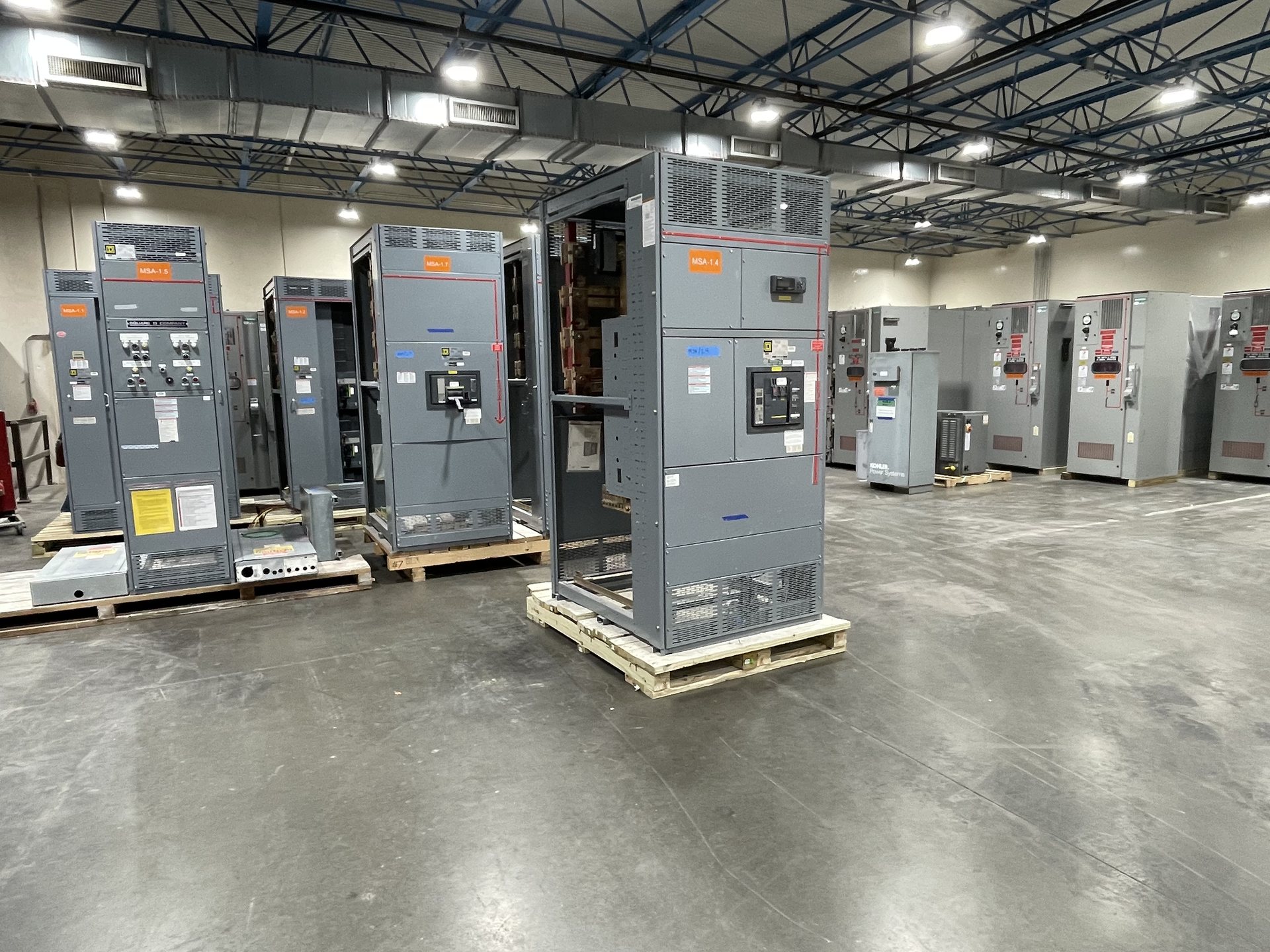
Buyer notes
Send the facts that move the review forward.
Include the nameplate, lineup or device photos, approximate quantity, visible condition and where the equipment is located. We buy equipment; we do not sell replacement gear or represent a test result that has not been provided.
Start with the nameplate
Request a quote
Tell us what you have. We buy switchgear from decommissioned data centers, shut-down power plants and other facilities. Crane, rigging, disconnects, loading, freight and hauling are on us. You do nothing but get paid.