When a data center is decommissioned, electrical equipment may leave as complete assemblies, separate devices, or mixed lots shaped by shipping constraints. Start by distinguishing what is intact from what is loose, and record visible identifiers, ratings, dimensions, and access conditions. That detail helps Louisiana Switchgear Buyer assess switchboards, ATS units, busway, PDUs, breakers, and related distribution equipment for a possible purchase.
Separate complete assemblies from shipping splits
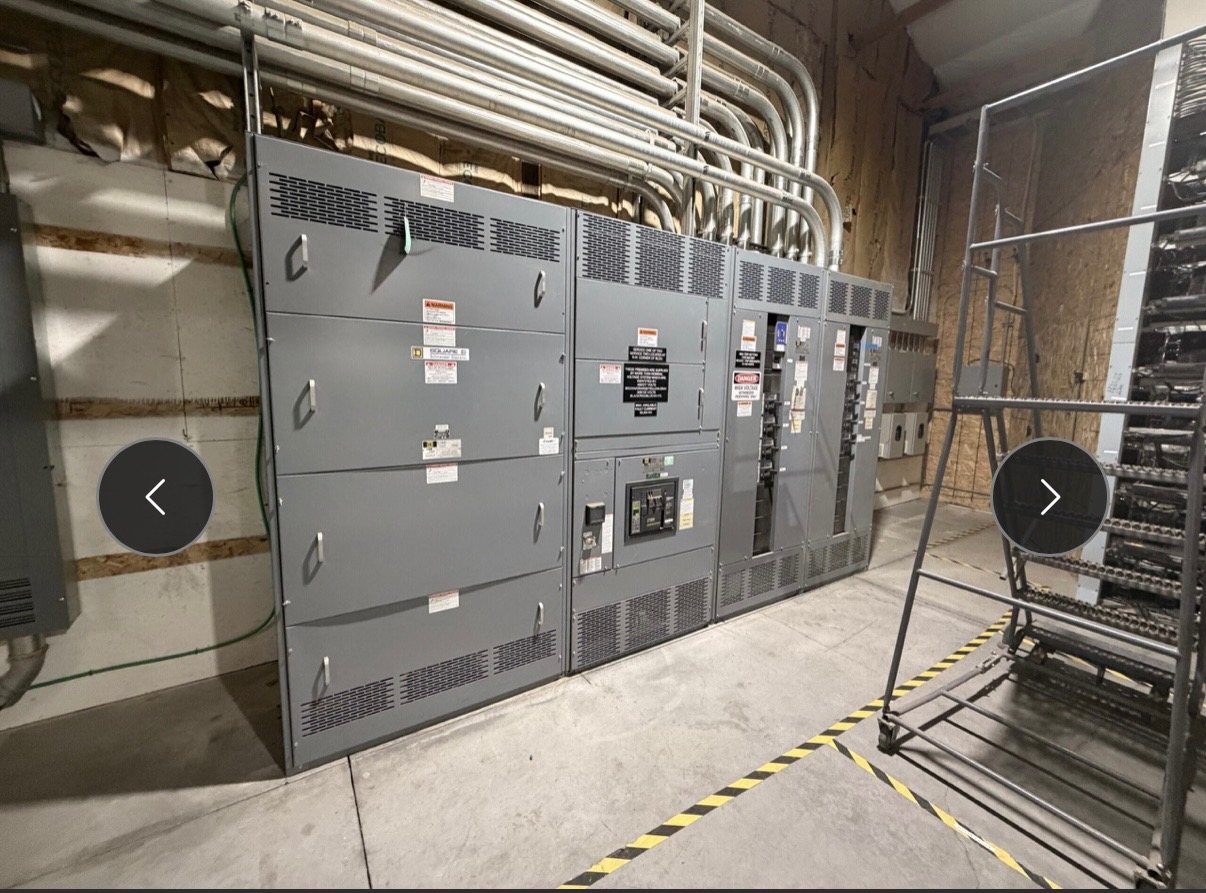
A shipping split describes equipment divided into sections or components for transport, rather than one ready-to-move assembly. Record which switchboard sections, busway runs, PDU units, or ATS assemblies appear complete and which were separated. Note loose breakers, control components, covers, connectors, and mounting hardware as separate items; do not assume an accessory belongs with a particular assembly unless markings or documentation support the match. Photograph the groups as found. Clear separation between complete equipment and loose pieces gives a buyer a more accurate picture of the lot and reduces confusion when items are reviewed together.
Capture identifiers and visible ratings
Photograph each accessible nameplate and any legible equipment or section labels. Useful details may include manufacturer, catalog or model designation, serial number, voltage, current rating, phase, and interrupting or withstand information where marked. Record panel or lineup identifiers that connect sections to a one-line diagram or schedule. Do not open energized compartments or remove covers to locate information; use only labels visible from a safe position and have qualified personnel manage any required access. If a marking is obscured, damaged, or unreadable, note that plainly rather than estimating a value.
Tie the equipment to available records
Include a one-line diagram, section schedule, device list, or other equipment record when available. These documents can help distinguish a lineup’s intended sequence from a collection of sections divided for shipping, and may identify breaker positions, bus arrangements, or distribution relationships. Keep records associated with the equipment they describe, especially when several rooms or systems are being cleared. A drawing is useful context, not proof that every listed component remains onsite or matches its original configuration. Mark discrepancies and unknowns so the review can account for them without relying on assumptions.
Describe loose devices and dimensions
List loose breakers and accessories individually when practical, noting visible type, frame or catalog markings, rating labels, and quantity. For busway, identify straight lengths, fittings, elbows, tap-off units, and other components separately where labels or visual distinctions permit. Record approximate dimensions for large assemblies and shipping sections, along with the number of pieces and any known weight information from documentation. Avoid combining unlike items under a broad label such as “electrical parts.” A concise device list and photographs make it easier to compare what is physically present with schedules and shipping records.
Record access and authorization
Document where the equipment is staged, the route to it, door or elevator limitations, loading-area conditions, and any known restrictions on removal. Note whether assemblies remain installed or have already been disconnected and placed for shipment; do not attempt disconnection or handling yourself. Include ownership or authorization status and identify who can approve a sale or site access. These details affect whether a lot can be reviewed and recovered as one group or requires a different arrangement. Qualified professionals must handle electrical isolation, disconnects, lifting, rigging, loading, and transport.
Request an assessment before committing
Send the inventory, photographs, available records, dimensions, access notes, and authorization information to Louisiana Switchgear Buyer for review. Identify what is confirmed, what is missing, and which items were split for shipping. The equipment is assessed before an offer is made, and acceptance is not guaranteed; visible condition and documentation do not establish operational status or testing. No seller testing is required. A cash offer may be made for an agreed transaction, with payment upfront under the agreed terms. Keep the lot description factual so the assessment reflects the equipment actually available.
Plan recovery around the agreed scope
Once an offer is accepted, confirm the included assemblies, loose devices, accessories, and any exclusions in writing before arranging removal. Louisiana Switchgear Buyer handles and pays for qualified disconnects, crane and rigging, loading, freight, and hauling on agreed transactions. The seller should coordinate authorized access and disclose site rules or known constraints, while leaving electrical work and equipment movement to qualified professionals. For shipping splits, a clear piece-by-piece inventory helps reconcile what is collected with the sale scope. Do not rely on old operating records as evidence that equipment remains complete, safe, or serviceable.
Buyer notes
Send the facts that move the review forward.
Include the nameplate, lineup or device photos, approximate quantity, visible condition and where the equipment is located. We buy equipment; we do not sell replacement gear or represent a test result that has not been provided.
Start with the nameplate
Request a quote
Tell us what you have. We buy switchgear from decommissioned data centers, shut-down power plants and other facilities. Crane, rigging, disconnects, loading, freight and hauling are on us. You do nothing but get paid.