Before describing surplus motor control centers, count the lineup sections and identify the starters, contactors, drives, and feeder devices installed in them. Record visible ratings, enclosure style, main and feeder arrangement, and whether buckets are removable or fixed. A condition review is most useful when it separates what you can observe from what remains unknown, without requiring you to test or handle electrical equipment.
Start with the lineup and its configuration
Give the lineup’s assembly or device count, number of sections, and approximate frame dimensions. Note how the main is arranged and which sections contain feeder devices, starters, contactors, or drives. Motor control centers are modular, so a broad label such as “MCC lineup” leaves important differences unstated: section count, bucket sizes, device types, and whether units are removable or fixed can affect how the equipment is assessed and recovered. If sections have been separated or loose parts are stored nearby, list them individually rather than assuming they belong together.
Record ratings as marked, not assumed
Transcribe the voltage class, continuous-current or bus rating, phase, frequency, and enclosure style from accessible nameplates or markings. Include interrupting or withstand information only when it is shown and legible; do not estimate a missing value from the lineup’s appearance. Capture ratings for individual starters or drives where available, since device ratings may differ across a lineup. A clear record helps distinguish one configuration from another and makes gaps apparent. If a marking cannot be read safely from an accessible position, note it as unreadable rather than opening a compartment or approaching energized equipment.
Describe condition through visible evidence
Use specific observations instead of a single grade such as good or fair. Note visible dents, corrosion, missing doors, damaged handles, discoloration, loose external fittings, or signs of water exposure. State whether doors and covers appear present, and identify any visible gaps or missing hardware without touching the equipment. Distinguish observed condition from history: a lineup that looks complete may have unknown operating status, and appearance alone does not establish that it works. No seller testing is required for an assessment. Leave inspection inside electrical compartments and any electrical work to qualified professionals.
Inventory devices, accessories, and loose parts
List starter, contactor, drive, feeder, and main devices by visible type and quantity. Identify bucket sizes or device designations where markings are available, and say whether buckets appear removable or fixed based on existing documentation or visible construction—not by trying to remove one. Note accessories such as control components, handles, barriers, or fittings only when present and identifiable. Separate loose parts from installed devices in the inventory, and photograph them together only when their association is clear. This detail helps an assessment account for both the installed lineup and the material that may have been stored separately.
Photograph the lineup without disturbing it
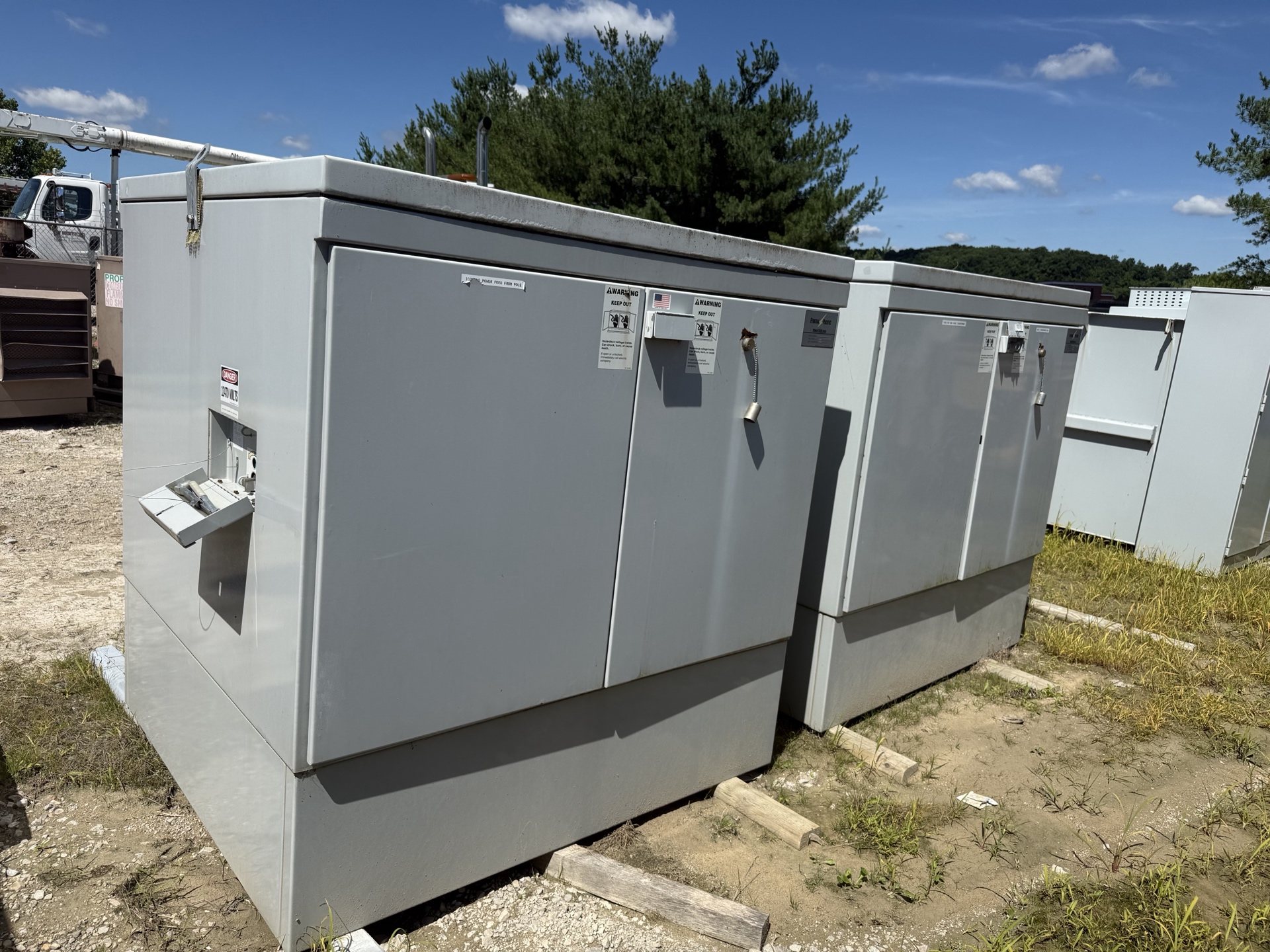
Useful images include a full assembly view, accessible nameplates, representative device faces, and visible doors, compartments, fittings, and loose parts. Add a safe scale reference in the scene, such as a nearby object, without placing anything on or inside the equipment. Take photographs from a safe position and do not remove covers, open energized compartments, operate handles, or reach into the lineup for a better view. If safe access is limited, say so and provide the images available. Clear photographs supplement the inventory; they do not replace a professional condition assessment or establish operating status.
Prepare a sale review with access details
Gather the configuration, ratings, visible-condition notes, device list, photographs, and any available records in one package. Include the lineup’s location within the property, approximate access constraints, and whether it is assembled or already separated; do not disconnect, dismantle, or move equipment to improve access. A qualified professional must handle isolation, electrical disconnection, lifting, and rigging. Louisiana Switchgear Buyer reviews the equipment information before making an offer, and acceptance is not guaranteed. No seller testing is required, and an unverified lineup should be described as unverified.
Agree on removal and recover the equipment
If an offer is made and accepted, confirm the transaction terms and removal arrangements before work begins. On agreed purchases, payment is made upfront. Louisiana Switchgear Buyer handles and pays for qualified disconnection, crane and rigging work, loading, freight, and hauling; sellers should not undertake electrical or rigging work. Keep the inventory and condition notes aligned with the equipment being collected, including any listed loose parts. This sequence lets the assessment reflect what is actually included, while leaving hazardous isolation and physical removal to qualified professionals.
Buyer notes
Send the facts that move the review forward.
Include the nameplate, lineup or device photos, approximate quantity, visible condition and where the equipment is located. We buy equipment; we do not sell replacement gear or represent a test result that has not been provided.
Start with the nameplate
Request a quote
Tell us what you have. We buy switchgear from decommissioned data centers, shut-down power plants and other facilities. Crane, rigging, disconnects, loading, freight and hauling are on us. You do nothing but get paid.