Surplus switchgear can be difficult to describe when labels are missing, unreadable, or spread across several sections. Start with an inventory of what is physically present: lineup arrangement, section dimensions, visible device counts, bus details, loose parts, and any legible nameplate information. Louisiana Switchgear Buyer reviews these details before making an offer; unknown fields are useful to identify clearly, not guess.
Map the lineup and its visible contents
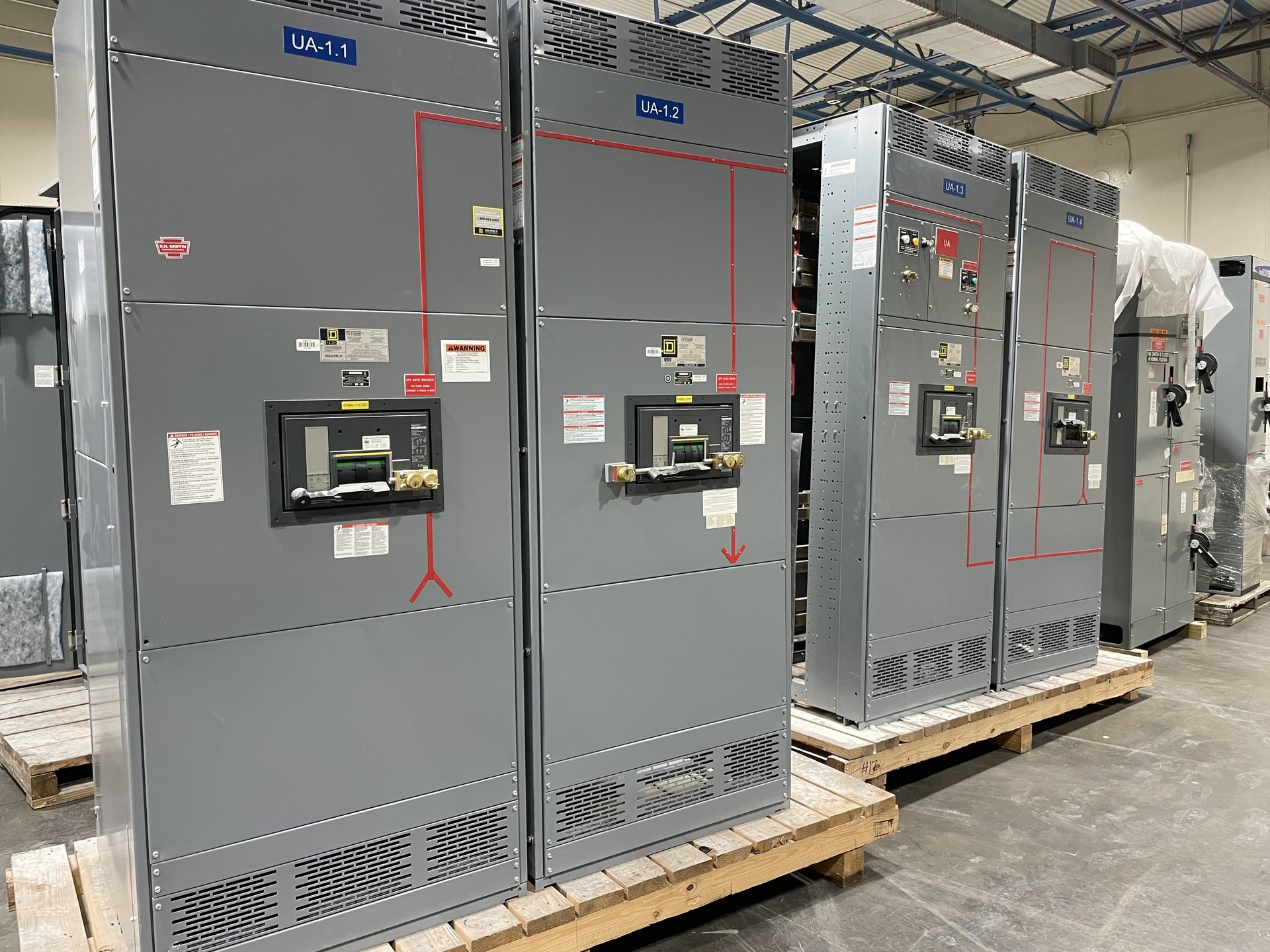
Record the number of connected sections and, where practical, each section’s height, width, and depth. Note whether the assembly appears to have a main device, feeder devices, tie sections, or other recognizable positions, without assuming a role that labels do not confirm. Count visible breakers or other devices and list loose components separately. Include shipping splits, disconnected sections, or parts stored away from the lineup. A simple section-by-section inventory helps distinguish a complete assembly from a collection of related equipment and gives the buyer a practical starting point for review.
Separate known ratings from unknown fields
Copy ratings exactly as shown on nameplates or markings: voltage class, continuous current or bus rating, phase, frequency, and enclosure style. Record interrupting or withstand markings if they are legible, preserving the wording and units rather than interpreting them. If a field cannot be found or read, mark it unknown; do not estimate from appearance or from another device in the lineup. Switchgear ratings can vary between sections and devices, so identify which label belongs to which component when possible. Clear distinctions between observed facts and missing data make review more reliable.
Describe bus, devices, and accessories
Note visible bus or conductor information, such as markings, material if explicitly identified, or the sections the bus appears to connect. List device types and labels that can be read, along with visible accessories or fittings, including shutters, doors, operating handles, or auxiliary components. Do not infer compatibility, completeness, or operating condition from a part’s presence. If pieces are detached, photograph and identify them as loose rather than assigning them to a particular position without evidence. Configuration and accessory details can help differentiate otherwise similar lineups, especially when documentation is incomplete.
Photograph evidence without handling equipment
Take overview images of the full assembly and clear photographs of accessible nameplates, representative device faces, doors, compartments, fittings, and loose parts. Include a safe scale reference in an overview or section image where it can be placed without contacting electrical equipment or obstructing access. Do not open energized compartments, remove covers, or touch equipment to obtain a photograph. If a label is obscured or a compartment cannot be safely viewed, note that limitation. Images should document what is visible, not imply that equipment has been tested or is operational.
State condition and completeness carefully
Describe observable condition in specific terms: missing doors, visible impact damage, corrosion, broken fittings, disconnected sections, or components stored separately. Distinguish these observations from conclusions about internal condition, serviceability, or prior testing. If operating history, maintenance records, drawings, or test documents exist, identify them and indicate whether they cover the whole lineup or only certain devices. No seller testing is required for a review. Accurate limits on what is known allow the buyer to assess the surplus equipment without treating undocumented ratings or unseen components as confirmed.
Prepare access information for a sale review
Alongside the equipment inventory, provide the site location, approximate removal area, access constraints, and any known lifting or loading considerations. Share photographs of the route or surrounding space only from safe, authorized positions; do not move equipment or attempt to disconnect it. Qualified professionals must handle electrical isolation, disconnects, rigging, and lifting. Louisiana Switchgear Buyer assesses the information and equipment before making an offer, and acceptance is not guaranteed. A clear account of access conditions helps establish whether a proposed recovery can be arranged responsibly.
Agree on terms, then leave removal to the buyer
If an offer is made and accepted, confirm the equipment included, any separately stored parts, agreed transaction terms, and the removal scope before work begins. On agreed transactions, payment is made upfront. The buyer handles and pays for qualified disconnects, crane and rigging, loading, freight, and hauling; sellers should not perform electrical or rigging work. Keep any drawings, records, keys, and loose accessories identified for handoff. This sequence turns an uncertain surplus inventory into a considered sale while keeping hazardous handling with qualified professionals.
Buyer notes
Send the facts that move the review forward.
Include the nameplate, lineup or device photos, approximate quantity, visible condition and where the equipment is located. We buy equipment; we do not sell replacement gear or represent a test result that has not been provided.
Start with the nameplate
Request a quote
Tell us what you have. We buy switchgear from decommissioned data centers, shut-down power plants and other facilities. Crane, rigging, disconnects, loading, freight and hauling are on us. You do nothing but get paid.