When an industrial plant closes, electrical equipment may be distributed across process areas, motor control centers, switchboards, panels, busway runs, breakers and utility spaces. Privacy-safe photographs can help document what is present without exposing sensitive facility information. Focus images on equipment, visible labels and assembly boundaries; pair them with records and notes that distinguish confirmed details from items still unknown.
Set a privacy boundary before photographing
Agree on what may be photographed and shared before anyone takes pictures. Facility rules, ownership terms, confidentiality obligations or security requirements may restrict images of control screens, production records, access systems, room layouts or other assets. Keep the frame on the electrical equipment being reviewed, and avoid people, badges, paperwork and unrelated operations. Do not enter restricted areas or approach energized equipment for a better view. If a detail cannot be captured safely and within the approved boundaries, record it as unavailable rather than trying to obtain it through a risky angle or unauthorized access.
Show complete assemblies and their boundaries
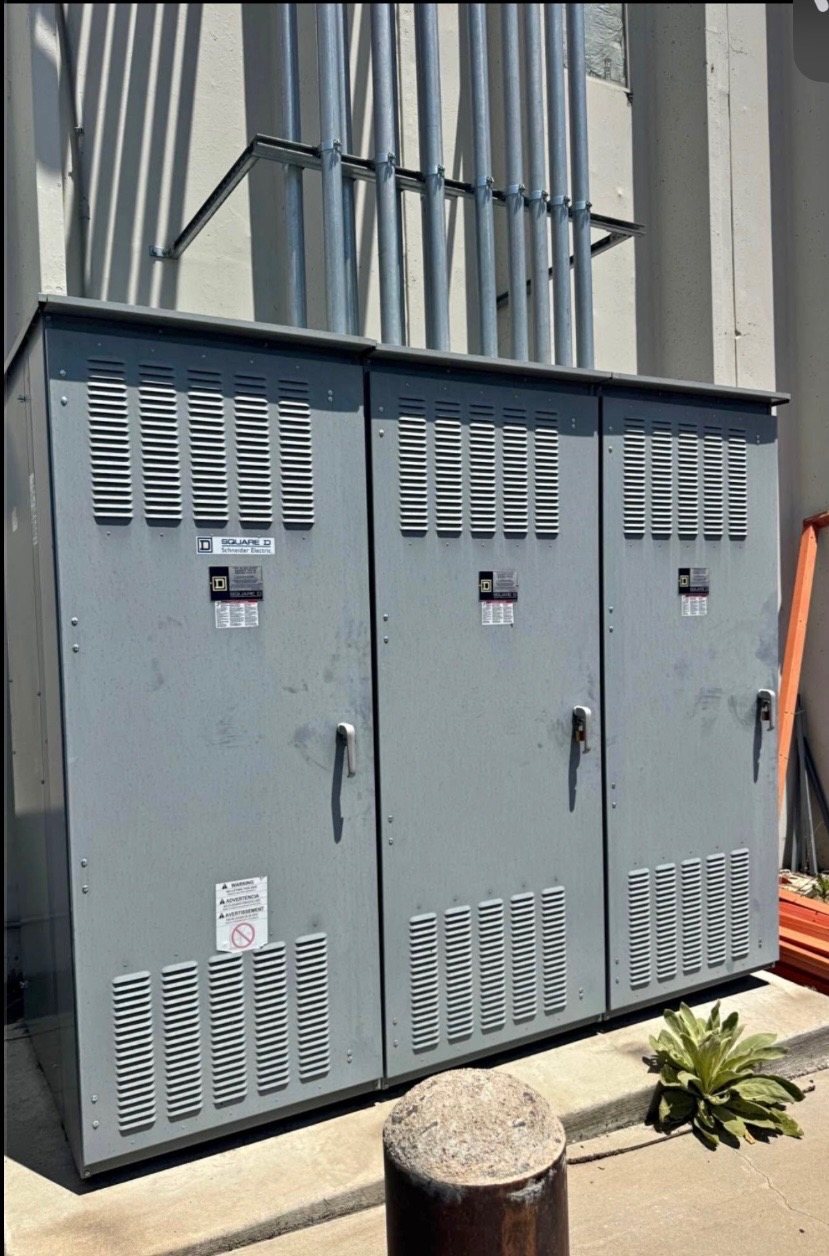
For each item, establish whether it is a complete assembly or only a component of a larger lineup. A wide view can show a switchboard section, MCC lineup, panel, busway segment or utility-area assembly in context; closer views can clarify visible section divisions and attached equipment. Note whether doors, covers, trim, control devices or other apparent parts are absent, without opening compartments to check. Identify loose devices and accessories separately from installed equipment. Photographs should support a written inventory, not substitute for one: perspective, obstructions and plant-specific arrangements can make an assembly appear more complete than it is.
Capture visible electrical identification
Photograph nameplates and markings only where they are plainly visible and accessible without touching equipment or removing covers. Record manufacturer, catalog or model information, voltage, current ratings and other legible markings exactly as shown, including uncertainty where text is obscured or unreadable. Include a wider image linking the label to its assembly, then a closer image for legibility if safe and permitted. Do not infer a rating from appearance, neighboring equipment or a partial label. A visible nameplate is useful identification evidence, but it does not establish present condition, operating status or test history.
Separate installed devices from loose items
Make a device list that distinguishes equipment installed in an assembly from devices stored nearby or removed during closure. For each loose breaker, accessory or other item, note its visible identifiers and describe its packaging or location without implying compatibility with a particular section. Where the relationship is uncertain, say so. A photograph of a loose device beside a lineup does not prove it belongs there. Likewise, an apparently vacant compartment does not confirm that a matching device is available. This careful separation helps establish what is actually included in a potential lot and reduces assumptions during review.
Record dimensions and access constraints safely
Approximate dimensions can help describe the scope, but measurement must not require anyone to touch electrical equipment, enter a hazardous area or work around an energized assembly. Use existing drawings or measurements supplied by qualified personnel when available, and label estimates as estimates. Note access conditions that affect professional removal, such as restricted routes, overhead obstructions, door or corridor limits, staging restrictions and whether lifting access is uncertain. Do not move stored material or dismantle equipment to improve access for documentation. Louisiana Switchgear Buyer handles qualified disconnection, rigging, loading and hauling for agreed purchases; access notes help assess removal requirements.
Pair images with records and unknowns
Send available one-line diagrams or section schedules, photographs, a device list, dimensions, access notes and confirmation of ownership or authorization to sell. A drawing can help relate sections to a lineup, but identify it as current, historical or unverified if that status is known; do not treat it as proof of what remains installed. Add a short list of unresolved points, such as unreadable ratings, missing devices, uncertain assembly boundaries or areas not photographed. Privacy-safe documentation is useful when it is candid about gaps. No seller testing is required, and photographs should never be represented as test results.
Arrange a review without unsafe preparation
Once the documentation is assembled, provide it for an equipment assessment. The buyer may consider used, surplus or decommissioned process distribution, MCCs, switchboards, panels, busway, breakers and utility-area assemblies, but an offer is not guaranteed; acceptance depends on the equipment reviewed. If a transaction is agreed, payment is made upfront under the agreed terms, and the buyer handles and pays for qualified disconnects, lifting, rigging, loading, freight and hauling. Do not open energized compartments, disconnect conductors or prepare a load yourself. Leave isolation and removal to qualified professionals coordinating the work.
Buyer notes
Send the facts that move the review forward.
Include the nameplate, lineup or device photos, approximate quantity, visible condition and where the equipment is located. We buy equipment; we do not sell replacement gear or represent a test result that has not been provided.
Start with the nameplate
Request a quote
Tell us what you have. We buy switchgear from decommissioned data centers, shut-down power plants and other facilities. Crane, rigging, disconnects, loading, freight and hauling are on us. You do nothing but get paid.