When an industrial plant closes, section mapping helps turn a broad electrical inventory into identifiable, reviewable lots. Start by connecting each process distribution area, MCC, switchboard, panel, busway run, breaker group, and utility-area assembly to its section or location on available records. Record what is visibly marked, what is complete, what is loose, and what remains unknown; these distinctions support a grounded review without assuming equipment condition or completeness.
Build the inventory around electrical sections
Use the plant’s one-line diagram or section schedule, if available, as an organizing reference—not as proof that every listed item remains in place. Assign each identifiable assembly to a section, process area, or utility area shown in the records, and note items that cannot be matched. Include distribution equipment feeding process loads, MCC lineups, switchboards, panelboards, busway, breakers, and associated assemblies. Keep the mapping practical: a reviewer should be able to connect an inventory entry to a visible lineup, cabinet, or equipment location without relying on a facility-wide assumption.
Separate complete assemblies from loose items
For each mapped section, distinguish an intact assembly from components set aside nearby. A lineup may include connected sections, while spare breakers, trip units, covers, buckets, or accessories may be loose and require separate identification. Record whether items appear installed in an assembly, stored alongside it, or are not accounted for. Avoid combining loose devices with a lineup simply because they share a room or section label. This separation helps clarify what is being offered and prevents a preliminary inventory from implying that missing parts are included.
Capture visible identifiers and ratings
Photograph nameplates and readable markings on equipment and individual devices where they are safely visible. Record manufacturer, model or type, catalog number, voltage, current, interrupting or withstand ratings when marked, and any section or device identifiers. Include the location or inventory reference with each image so markings remain tied to the correct item. Do not open energized compartments or approach exposed electrical hazards to obtain a better view. If a rating cannot be read or a label is absent, mark it unknown rather than estimating from adjacent equipment.
Describe the record set and its gaps
Gather the one-line diagram or section schedule when available, nameplate images, overall and detail photos, a device list, dimensions, access notes, and ownership or authorization status. Note drawing revisions or dates if shown, and flag apparent mismatches between records and visible equipment for review. Dimensions can help distinguish sections and plan handling, but should be identified as measured or estimated. Keep unknowns explicit: unverified device identity, incomplete lineup boundaries, missing accessories, uncertain ratings, or unclear access conditions are useful review notes, not reasons to fill in details by assumption.
Prepare the lot for an equipment review
Once the section map is assembled, group entries into proposed lots that are understandable on their own: for example, a documented switchboard section, an MCC lineup, or a separately listed set of loose breakers. State what each lot includes and what is excluded or unconfirmed. Provide the records and images together, with a brief index linking each file to its section. Louisiana Switchgear Buyer assesses equipment before making an offer; submitting a mapped inventory supports that assessment but does not establish condition, operating status, or guaranteed acceptance.
Confirm authority and practical access
Before discussing removal, establish that the seller has ownership or authorization to transfer the equipment and identify any restrictions on access or removal. Share relevant access notes, dimensions, staging constraints, and known lifting or freight considerations without undertaking hazardous preparation. Electrical isolation, disconnection, rigging, and lifting must be handled by qualified professionals. Louisiana Switchgear Buyer handles and pays for qualified disconnects, crane and rigging, loading, freight, and hauling on agreed transactions; sellers should not perform electrical or rigging work.
Agree on the sale and recovery sequence
After reviewing the mapped equipment and available documentation, the buyer may make a cash offer for items it elects to purchase. Acceptance is not guaranteed, and visible markings or records do not substitute for an equipment assessment. If both parties agree to a transaction, payment is made upfront under the agreed terms, followed by coordination of professional removal and transport. No seller testing is required. Keep the section map, final lot description, and agreed scope aligned so the equipment identified for purchase is distinguishable from assets retained by the plant.
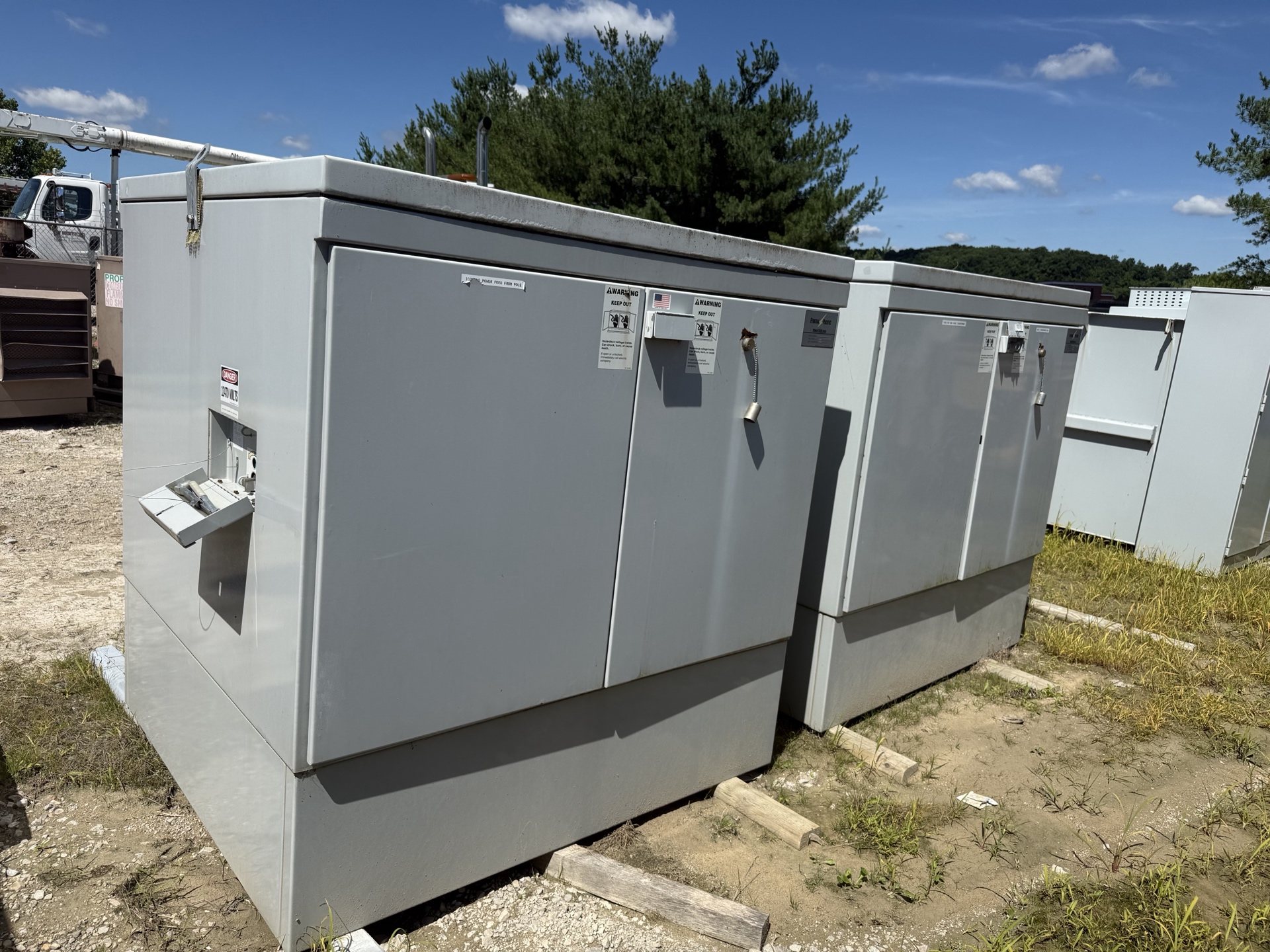
Buyer notes
Send the facts that move the review forward.
Include the nameplate, lineup or device photos, approximate quantity, visible condition and where the equipment is located. We buy equipment; we do not sell replacement gear or represent a test result that has not been provided.
Start with the nameplate
Request a quote
Tell us what you have. We buy switchgear from decommissioned data centers, shut-down power plants and other facilities. Crane, rigging, disconnects, loading, freight and hauling are on us. You do nothing but get paid.