When an industrial plant closes, electrical equipment may be scattered across process areas, motor-control rooms, switchboard lineups and utility spaces. Start by separating complete assemblies from loose devices, recording visible identifiers and ratings, and marking unknowns plainly. That distinction helps Louisiana Switchgear Buyer assess what is being offered without treating an incomplete record—or an unverified assembly—as proof of condition or operation.
Build an inventory around assemblies and loose items
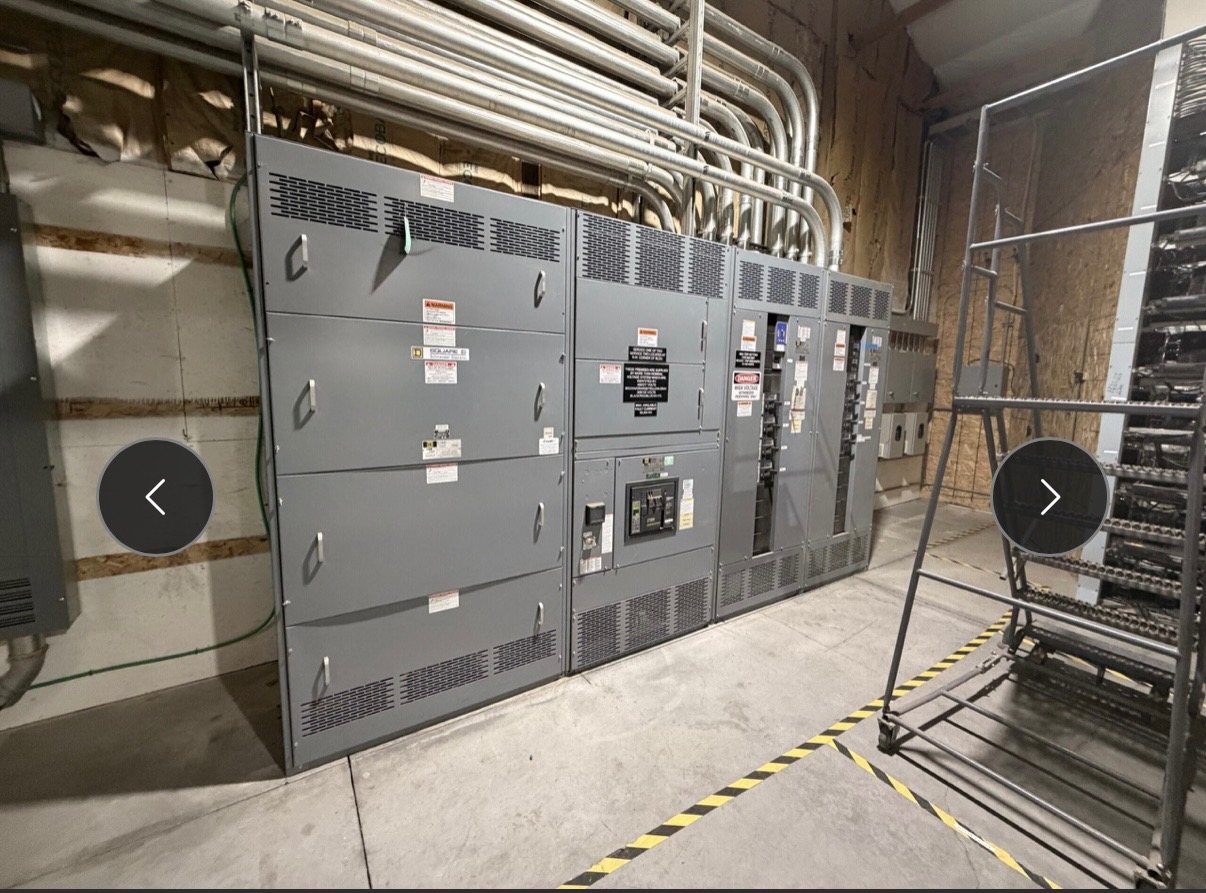
List each identifiable lineup, MCC, switchboard, panel, busway section, breaker group and utility-area assembly separately. Note whether the equipment appears to be a complete assembly, a partial lineup, or individual devices and accessories stored apart from it. A breaker removed from a cubicle, for example, should not be counted as part of a complete section unless its relationship is clear. Include process distribution equipment as well as gear in electrical and utility areas. A practical inventory distinguishes what is physically together from what may belong together, leaving uncertain associations for review.
Record visible identifiers without filling gaps
Photograph nameplates and other markings that can be read from a safe, accessible position. Capture manufacturer, model or catalog number, serial number, voltage, current, interrupting rating and other visible ratings where present; do not infer missing values from neighboring equipment. A device list can connect loose breakers or accessories to their marked identifiers, while photos show the lineup, section labels and apparent arrangement. If a marking is obscured or absent, record it as unreadable or unknown rather than guessing. Sellers are not expected to open energized compartments or handle electrical equipment to obtain documentation.
Use drawings and schedules as supporting records
Gather a one-line diagram, section schedule or equipment list when available, and note its date or revision if shown. These records can help explain how process distribution, MCCs, switchboards, panels and busway relate across a plant, but they should be treated as supporting information, not a substitute for identifying the equipment actually offered. Mark discrepancies between a drawing and visible labels for assessment. If no drawings remain, a basic device list and photographs are still useful. Do not create technical descriptions from memory where ratings, configuration or circuit assignments are uncertain.
Describe condition and unknowns separately
For each item, distinguish observed facts from unanswered questions. You might report that an assembly is present, identify visible corrosion or missing covers from an external view, and separately note that internal condition and operating status are unknown. Do not describe equipment as tested, functional or complete unless that status is substantiated and relevant records are available. No seller testing is required for an offer. Unknowns are useful information: they tell the buyer what needs assessment and prevent assumptions based on the former plant’s process, the equipment’s appearance or a label alone.
Include dimensions, access and ownership details
Record approximate overall dimensions when they can be obtained without disturbing equipment, and identify access considerations such as restricted routes, overhead obstructions or the need to coordinate entry. Leave lifting, isolation, disconnects and electrical work to qualified professionals; Louisiana Switchgear Buyer handles and pays for qualified disconnects, rigging, crane work, loading, freight and hauling on agreed transactions. Confirm that you own the equipment or are authorized to sell it, and identify any approval or custody requirements. Clear access and ownership information helps determine whether the proposed lot can be reviewed and recovered responsibly.
Present a coherent lot for assessment
Organize the inventory so related sections, loose devices, drawings and photographs can be reviewed together, while keeping uncertain associations explicit. State whether the offer concerns the whole plant lot, selected assemblies or a defined group of items. Include available nameplates, device lists, dimensions, access notes and ownership or authorization status. Louisiana Switchgear Buyer assesses equipment before making an offer; submitting records does not guarantee acceptance. The buyer considers used, surplus and decommissioned equipment across voltage classes, including gear from industrial closures, without requiring sellers to perform testing or prepare equipment for removal.
Agree on scope before recovery begins
If an offer is made and accepted, confirm which assemblies and loose items are included, what access arrangements apply and how the recovery will be coordinated. Payment is made upfront on agreed transactions. The buyer handles and pays for the required qualified disconnects, lifting and rigging, crane work, loading, freight and hauling; sellers should not undertake those tasks themselves. Keep the inventory and agreed scope available during coordination so items are not confused with retained plant assets. A careful record of unknowns and boundaries supports a more orderly handoff while leaving hazardous work to qualified professionals.
Buyer notes
Send the facts that move the review forward.
Include the nameplate, lineup or device photos, approximate quantity, visible condition and where the equipment is located. We buy equipment; we do not sell replacement gear or represent a test result that has not been provided.
Start with the nameplate
Request a quote
Tell us what you have. We buy switchgear from decommissioned data centers, shut-down power plants and other facilities. Crane, rigging, disconnects, loading, freight and hauling are on us. You do nothing but get paid.