When a data center is decommissioned, section mapping helps distinguish complete electrical assemblies from equipment whose relationship to the former distribution system is unclear. A one-line diagram or section schedule can connect switchboards, ATS units, busway, PDUs and breakers to their original roles. Louisiana Switchgear Buyer reviews available records alongside visible labels, photographs and the seller’s description before making an offer.
Use the section schedule to define each lot
Start with the one-line diagram or section schedule, if available, and identify the equipment sections included in the proposed sale. A lineup may contain several switchboard sections with different functions, while a separate ATS or distribution assembly may be listed elsewhere. Record the drawing reference or section designation beside each item, but do not assume that every component shown on an old drawing remains present. A schedule gives useful context; a current inventory and photographs help establish what is actually being offered. If records conflict with the physical inventory, note the difference for review rather than silently reconciling it.
Separate complete assemblies from loose devices
A complete assembly is easier to describe than a collection of removed components. For each switchboard, ATS, PDU or distribution section, state whether its enclosure and associated sections are included. List loose breakers, drawout devices, control accessories or other parts separately, including any visible identification. Do not combine loose items with an assembly merely because they came from the same room or lineup. Some decommissioning lots contain intact equipment sections alongside removed devices; others consist mainly of separated components. Clear grouping lets a buyer assess the scope without assuming that loose parts are present, matched or complete.
Capture visible identifiers and ratings
Photograph each accessible nameplate and any legible section, circuit or device label. Record manufacturer, catalog or model identifiers, serial number when visible, and marked voltage, current and other ratings. A breaker’s identification is not a substitute for the nameplate information on its switchboard section, and an assembly label may not describe every device installed in it. If a mark is obscured, missing or unreadable, report that plainly instead of inferring a value from neighboring equipment. Photographs should show both the overall assembly and the relevant markings, taken only from locations that qualified personnel deem safe to access.
Map busway and PDU relationships carefully
Busway sections and plug-in units can be associated with a particular distribution path, but a former room layout alone may not establish the exact configuration. List visible busway identifiers, marked ratings, approximate section dimensions and any included fittings as separate inventory details. For PDUs, note the assembly identifier and visible ratings, and distinguish the PDU from upstream switchboard or downstream equipment. If the original section schedule names a connection that is absent from the offered lot, flag it as missing or unconfirmed. Avoid describing equipment as connected, compatible or operational unless that status has been independently established.
Describe ATSs and breakers without assuming condition
For an ATS, record its visible identifiers and ratings, whether it appears as a complete assembly, and any separately offered accessories. For breakers, identify whether each device remains installed in an assembly or is loose, and capture its visible markings individually where practical. A former data-center role does not establish present condition, completeness or suitability for reuse. No seller testing is required for a buyer review. Do not open energized compartments or handle electrical equipment to obtain details; qualified professionals must manage isolation and any necessary access. An unknown condition is a useful, accurate inventory note.
Record dimensions, access and remaining unknowns
Useful dimensions include overall height, width and depth where they can be obtained safely, along with an estimate of the number of sections or units. Describe access at a practical level: whether equipment is indoors or outdoors, the route to a loading area, and any known clearance or handling constraints. Do not dismantle, disconnect or move equipment to improve the description. Keep a short unknowns list, such as unverified device-to-section matches, missing schedules, unreadable ratings or uncertain accessory counts. This helps separate documented facts from questions requiring professional inspection or further records.
Confirm authority and request an equipment review
Before submitting a lot, identify the party authorized to sell or release the equipment and note any ownership or authorization documents available. Send the itemized device list, schedule or one-line drawing when available, nameplate photographs, dimensions and access notes together, so the equipment can be reviewed as a defined scope. Louisiana Switchgear Buyer assesses the information before making an offer; acceptance is not guaranteed. If a transaction is agreed, payment is made upfront, and the buyer handles and pays for qualified disconnection, rigging, loading, freight and hauling. Leave electrical isolation and removal to qualified professionals.
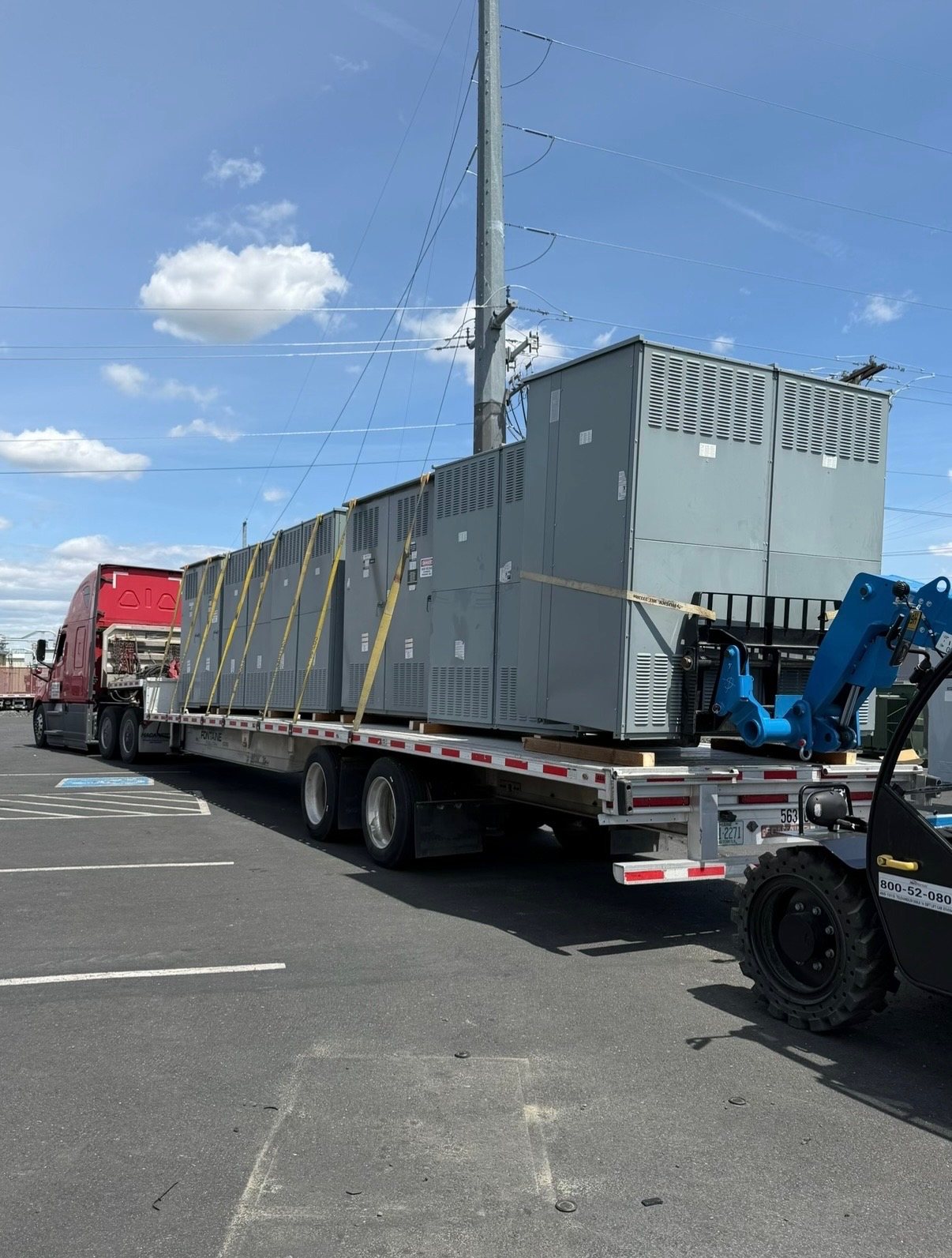
Buyer notes
Send the facts that move the review forward.
Include the nameplate, lineup or device photos, approximate quantity, visible condition and where the equipment is located. We buy equipment; we do not sell replacement gear or represent a test result that has not been provided.
Start with the nameplate
Request a quote
Tell us what you have. We buy switchgear from decommissioned data centers, shut-down power plants and other facilities. Crane, rigging, disconnects, loading, freight and hauling are on us. You do nothing but get paid.