If you have surplus electrical equipment in De Soto Parish, a clear inventory can help establish what is present, how it is identified, and what review may be possible. Switchgear, switchboards, motor control centers, panelboards, busway, breakers, automatic transfer switches and unit substations can be considered. Record visible details and access constraints; Louisiana Switchgear Buyer assesses the equipment before making any offer, and acceptance is not guaranteed.
Start with an equipment inventory
List each assembly or group of related components separately rather than combining everything under a broad label such as “electrical gear.” Note the quantity, equipment type and whether devices or accessories are included. In De Soto Parish, equipment may come from energy, timber, manufacturing or transportation operations, but its origin does not replace a physical inventory. Distinguish complete assemblies from loose breakers, control components, bus sections or parts stored separately. If quantities are uncertain, say so. A careful list gives the buyer a practical starting point and helps identify gaps for follow-up without asking you to inspect equipment internally.
Capture electrical identification as marked
Transcribe information visible on nameplates or exterior labels, including manufacturer as marked, model or catalog number, voltage class, amperage and phase. Preserve the wording and units; do not infer a rating from a nearby component or assume that similar-looking sections share the same specifications. If a label is obscured, damaged or unreadable from a safe position, record that limitation instead of trying to expose it. Photos of readable nameplates are useful alongside typed notes. Identification supports an initial review, but it does not establish operating condition, compatibility or test status, and no seller testing is required for buyer review.
Describe completeness without dismantling
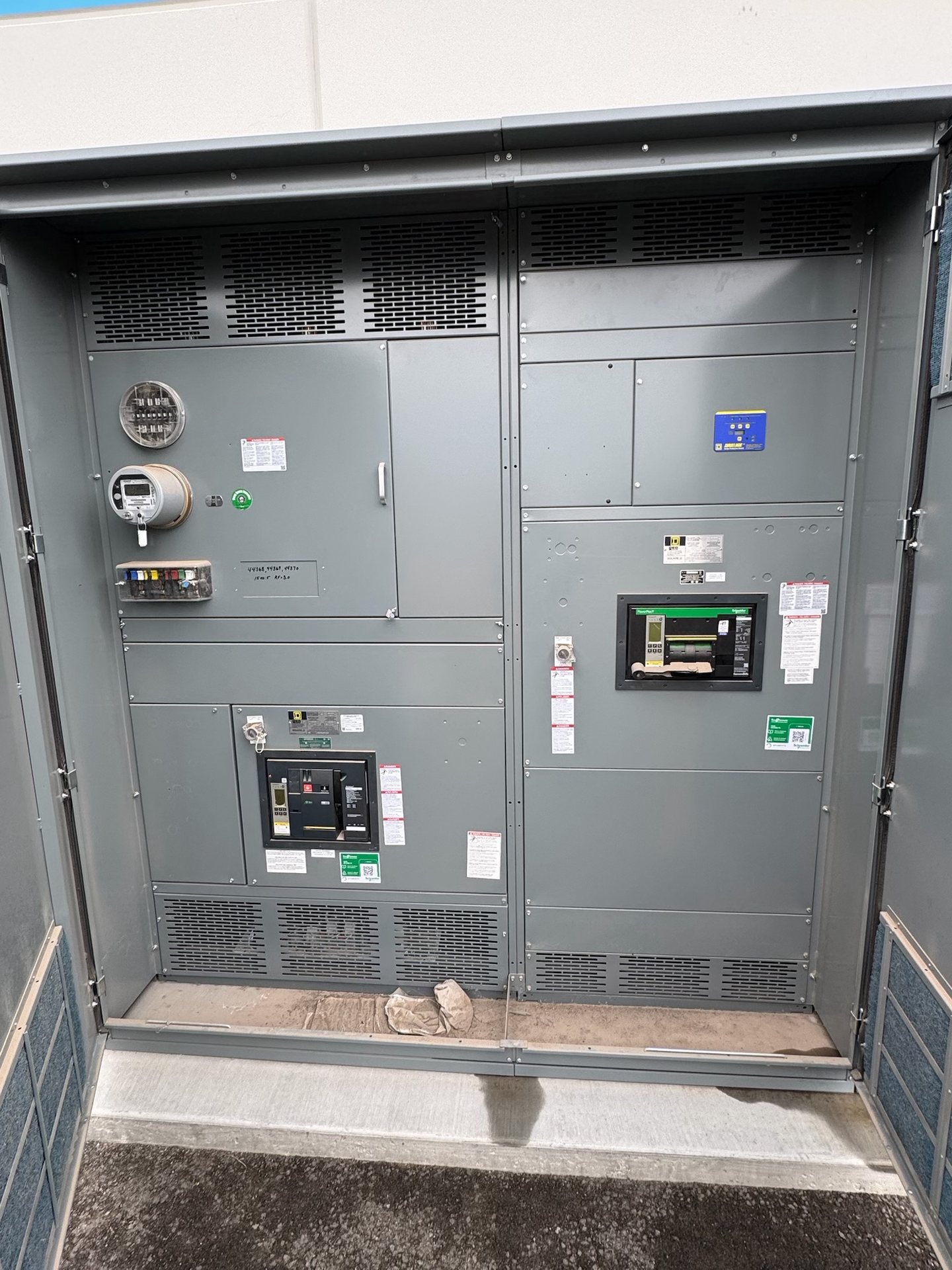
Completeness can materially affect how an equipment lot is understood. Note visible doors, covers, meters, control devices, breakers, drawout components, barriers, bus connections and accessory packages, where they can be observed safely. Identify anything already separated from its assembly and indicate whether loose items appear to belong to a particular unit. Avoid treating an empty space as proof that a component is missing; describe only what is visible. Do not open compartments, remove covers or handle electrical parts to improve the inventory. A qualified review can clarify uncertain details after the initial information is submitted.
Photograph the equipment clearly
Useful images include a wide context view without address or customer signage, a readable nameplate, the full assembly, representative devices and loose accessories shown beside a scale reference. Keep equipment identification associated with the matching inventory entry, especially where several sections look alike. Take photographs only from a safe, authorized position and do not enter restricted areas, approach exposed conductors or open energized compartments. If site rules prevent photography, explain that when you send the inventory. Images supplement written records; they should not be used to claim that equipment is operational, complete or tested unless that status has been independently established.
Record dimensions and visible condition
Where measurements are available without approaching or moving equipment, record approximate height, width and depth, along with the number of sections or shipping pieces. These details help assess handling and transport considerations. Describe visible condition in neutral terms: corrosion, damaged enclosures, missing external hardware, water marks, bent panels, paint wear or apparent storage damage. Separate observation from conclusion. For example, “door dented” is more useful than a general statement that a lineup is unusable. Do not energize, operate, clean, repair or test equipment to improve its presentation. Leave all electrical work and handling to qualified professionals.
Explain access and removal constraints
Include safe access notes that could affect a site review or removal plan: indoor or outdoor placement, restricted entry, narrow routes, overhead obstructions, stairs, loading access, or whether equipment is in a controlled area. Mention known isolation status only if confirmed by the responsible qualified personnel; do not attempt to verify it yourself. Louisiana Switchgear Buyer handles and pays for qualified disconnection, crane and rigging work, loading, freight and hauling on agreed transactions. You do not need to perform electrical or lifting work. Accurate constraints help determine what further information and professional coordination may be needed.
Submit details for buyer review
Send the inventory, available photographs, quantity, identification, completeness notes, visible condition and access information together. Flag unknowns plainly, including uncertain ratings, mixed lots or accessories with unclear ownership. The buyer reviews the equipment before deciding whether to make a cash offer; an offer is not assured. If terms are agreed and accepted, payment is made upfront, with removal and transport handled as part of the transaction. The review can cover used, surplus or decommissioned equipment from a range of voltage classes, including gear from shut-down power plants or decommissioned data centers. Keep the equipment undisturbed pending qualified coordination.
Buyer notes
Send the facts that move the review forward.
Include the nameplate, lineup or device photos, approximate quantity, visible condition and where the equipment is located. We buy equipment; we do not sell replacement gear or represent a test result that has not been provided.
Start with the nameplate
Request a quote
Tell us what you have. We buy switchgear from decommissioned data centers, shut-down power plants and other facilities. Crane, rigging, disconnects, loading, freight and hauling are on us. You do nothing but get paid.