Crane planning for a switchgear recovery starts with information you can share safely—not with facility staff moving, opening or preparing equipment. Existing drawings, shipping records and exterior photographs can help a buyer understand the assembly, likely shipping splits and site access before reviewing a purchase. Louisiana Switchgear Buyer assesses the equipment before making an offer; qualified professionals coordinate removal, lifting, loading and transport if a transaction is agreed.
Start with records, not field measurements
Gather documents already available: equipment schedules, drawings, prior shipping records, nameplate photographs taken from a safe position, and maintenance or decommissioning inventories. These can establish the equipment type, lineup configuration and any recorded dimensions or weights. Share figures only when they appear in a reliable record, and identify whether they apply to the complete assembly or one section. Do not approach equipment to measure it, remove covers or inspect internal components. Clear provenance helps a buyer distinguish documented facts from estimates and decide what additional information is needed for an initial review.
Describe sections and shipping splits
A long switchgear lineup, switchboard or MCC may consist of multiple sections, while a unit substation or transformer-connected assembly may have separate components. List the section count and any shipping splits shown in existing drawings, bills of lading or packing records. Note whether the records describe the equipment as installed, previously shipped or proposed for shipment; those configurations may differ. For busway, identify the types and quantities recorded, such as straight sections, fittings or accessories, without dismantling anything. This description helps the buyer consider handling scope and whether the available information supports an assessment of the complete lot or only part of it.
Share documented dimensions and weights carefully
Approximate dimensions and weights can inform crane and transport planning, but only pass along values that are documented. Include the source and the item each number describes: an individual section, a shipping split, a transformer-connected assembly, or the overall lineup. If a record is incomplete or its scope is unclear, label it accordingly rather than filling gaps with a guess. Loose breakers and accessories may have separate records and should not be folded into a lineup weight without evidence. These distinctions help the buyer evaluate the scale of the proposed recovery and identify where qualified professionals may need to verify lifting and transport requirements.
Treat lifting-point information as evidence, not permission
If existing drawings or equipment documentation visibly identify lifting points, share the relevant page or a safe exterior photograph with enough context to relate the information to the equipment. Do not attach rigging, test a lifting point, remove panels to look for one or infer capacity from appearance. A mark or drawing is useful planning input, not confirmation that a point is suitable for a particular lift. Qualified rigging professionals determine the appropriate method after reviewing the equipment and conditions. For the buyer, documented lifting information can clarify what records are available and what questions must be resolved before physical work is planned.
Explain the loading surface and access route
Describe the loading area using information you can provide without entering restricted or hazardous spaces: whether the equipment is at dock level or ground level, the general approach to the loading area, and any known limits on vehicle access. Safe exterior photographs can show gates, overhead obstructions or the visible route, provided taking them does not require approaching energized equipment or entering a work zone. Note known restrictions such as limited clearance, restricted operating hours or controlled access, without assuming a crane can reach the equipment. These details help the buyer and its qualified logistics professionals identify access questions early.
Record site constraints and safe staging information
Include known constraints that could affect a planned recovery, such as narrow approaches, overhead structures, nearby operations, limited staging space or restrictions on where vehicles may wait. If a staging area is designated in existing site information, describe its location in general terms and any recorded limitations. Do not clear, prepare or occupy the area on the buyer’s behalf. Avoid sending photographs that expose people, sensitive operations or unsafe work activity. Practical, accurate notes allow the buyer to assess whether a recovery appears logistically reviewable and whether additional coordination with the facility will be needed before any agreed removal.
Use exterior photographs to clarify the records
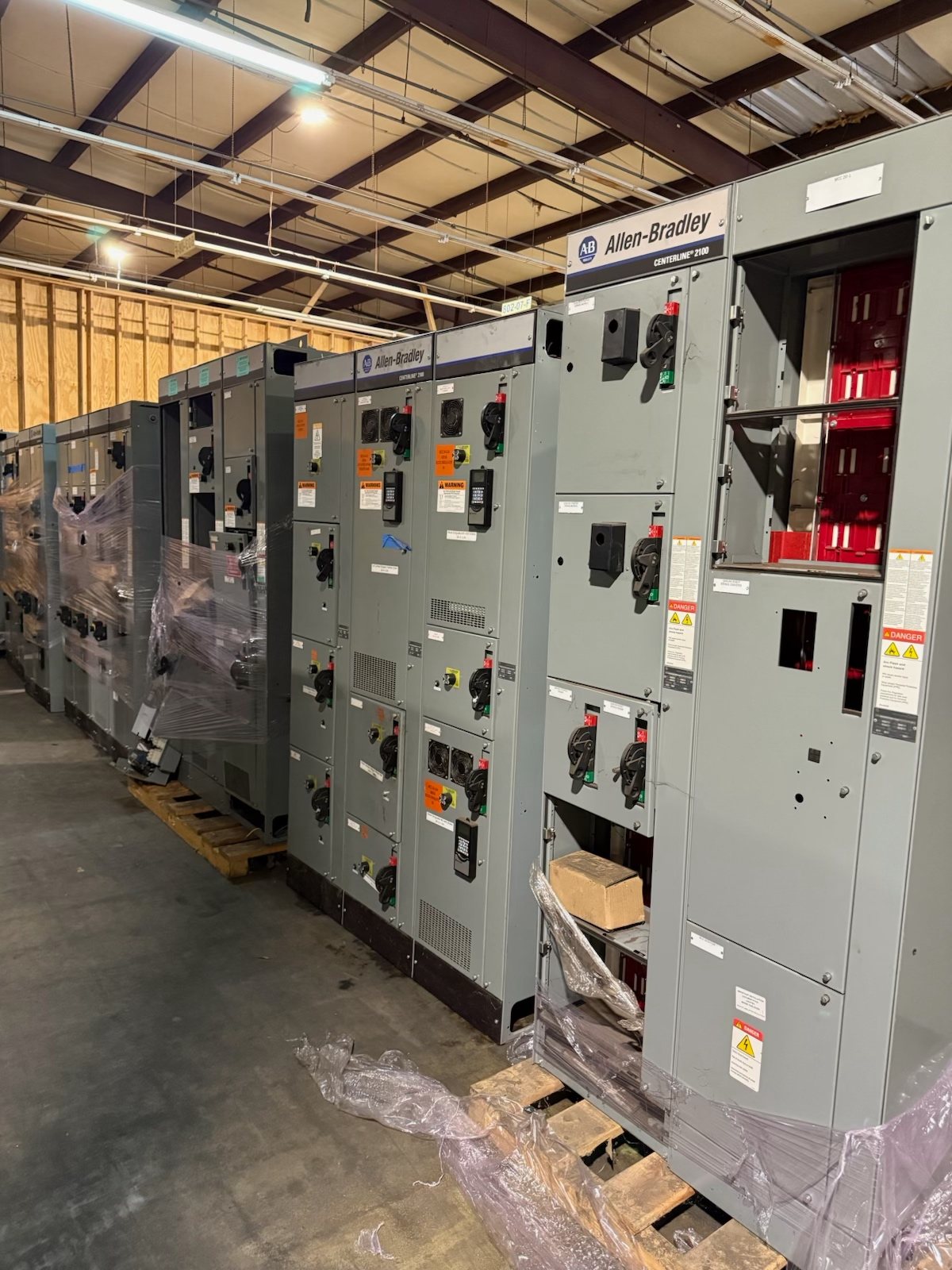
A small set of clear photographs can help connect records to the visible equipment: a wide view of the lineup from a safe location, section labels that are already visible, and the loading approach or dock exterior. Do not open energized compartments, remove barriers, touch equipment or enter areas where photography is unsafe or unauthorized. Pair images with brief captions explaining what each shows and where it was taken. Photographs can support identification and access review, but they do not establish operating condition, internal completeness, weight or lifting capacity. The buyer considers them alongside the available documents rather than treating them as a substitute for assessment.
What the buyer review can establish
Send the records, documented quantities, safe photographs and known access limits together so the buyer can review the equipment and likely recovery scope. Louisiana Switchgear Buyer purchases used, surplus and decommissioned switchgear and related equipment, including equipment from shut-down facilities. Assessment comes before any offer, and acceptance is not guaranteed. If a transaction is agreed, the buyer handles and pays for qualified disconnects, crane and rigging, loading, freight and hauling. Facility personnel should leave electrical isolation and physical removal to qualified professionals; the information-gathering step is limited to records and observations that can be shared safely.
Buyer notes
Send the facts that move the review forward.
Include the nameplate, lineup or device photos, approximate quantity, visible condition and where the equipment is located. We buy equipment; we do not sell replacement gear or represent a test result that has not been provided.
Start with the nameplate
Request a quote
Tell us what you have. We buy switchgear from decommissioned data centers, shut-down power plants and other facilities. Crane, rigging, disconnects, loading, freight and hauling are on us. You do nothing but get paid.