Loose breakers, operating handles, racking parts, control components, and other accessories can materially change how a switchgear recovery lot is reviewed and packed. Before an offer is considered, make a clear inventory of what is present, where it is stored, and which equipment it belongs with. Louisiana Switchgear Buyer assesses the equipment and documented logistics, then coordinates qualified removal and transportation for accepted transactions.
Define what belongs in the lot
List the primary equipment and its loose items separately, then note which accessories are believed to match each lineup, switchboard, MCC, unit substation, or busway section. Include loose breakers, drawout elements, operating handles, keys, control devices, barriers, and spare parts when present. Identify items that are unassigned or whose fit is uncertain rather than grouping them by assumption. For transformer-connected assemblies, distinguish the transformer and associated sections from separate loose material. A list that shows what is included—and what is not—helps reviewers understand the proposed lot without implying that any item is complete or serviceable.
Describe each item without testing it
Use visible labels, nameplates, catalog markings, or existing records to describe accessories where available. A short identifier, quantity, and storage location are often more useful than a broad label such as “spares.” Note whether a breaker is loose or installed and whether an accessory is stored in a cabinet, crate, or on a shelf. Do not open energized compartments, manipulate equipment, or attempt electrical checks to identify parts. If markings are obscured or the match to a lineup is unknown, record that uncertainty. No seller testing is required for review; assessment and any offer depend on the information available and the equipment itself.
Keep packing details tied to the inventory
Record how loose items are currently grouped and packed: for example, by section, cabinet, crate, or mixed container. Note quantities per package when known, whether the package is labeled, and whether separate items may be easily confused. Photographing exterior labels or visible contents can support the inventory, provided it can be done safely without disturbing equipment. Do not repackage heavy or electrical components just to improve the record. A clear relationship between the packing list and the equipment list helps determine whether accessories travel with their assembly or need to be handled as a separate part of the lot.
Flag documented dimensions, weights, and splits
For each major assembly or shipping split, provide approximate dimensions and weight only when those figures are documented or otherwise reliably recorded. Include the section count and describe how the lineup is divided for shipment, if that is known. Do not estimate from appearance or move equipment to obtain measurements. Note lifting points only when they are visibly documented or identified in existing records; do not infer safe lift locations. These details help qualified professionals review handling needs and transportation planning. Missing measurements are useful information too: mark them as unknown so they can be addressed during the equipment and access review.
Explain loading access and restrictions
Describe the loading surface and approach in practical terms: ground-level or dock loading, available staging area, and any known limits on access or vehicle positioning. State known restrictions such as narrow routes, overhead obstructions, restricted hours, or a surface that may affect equipment movement, but do not guess at capacities. Identify safe staging information, including where equipment is already located and whether loose accessories are stored separately. Photos or site records can help clarify these points. Any assessment of lifting, disconnection, loading, or route safety belongs to qualified professionals, not the seller.
Separate known facts from open questions
A useful recovery note distinguishes confirmed details from assumptions. Mark uncertain accessory matches, undocumented weights, unclear section boundaries, missing labels, and unknown loading conditions plainly. State whether a listed breaker or component is included, excluded, or pending identification. This prevents a preliminary inventory from being mistaken for a verified configuration or condition report. Louisiana Switchgear Buyer reviews the equipment before making an offer, and acceptance is not guaranteed. Complete information can support that review, but it does not establish operability, testing status, completeness, or a particular value.
Coordinate recovery after review
Once the lot and access information have been reviewed, qualified professionals coordinate any required isolation, disconnects, rigging, lifting, loading, freight, and hauling for an accepted transaction. Sellers should not perform electrical or rigging work or prepare equipment by handling it. Keep loose accessories in their current locations until the recovery plan is agreed; the coordinating team can determine how they should be collected and secured. Louisiana Switchgear Buyer handles and pays for the agreed removal and transportation work. Cash offers and upfront payment are available on agreed transactions, subject to equipment assessment and acceptance.
Buyer notes
Send the facts that move the review forward.
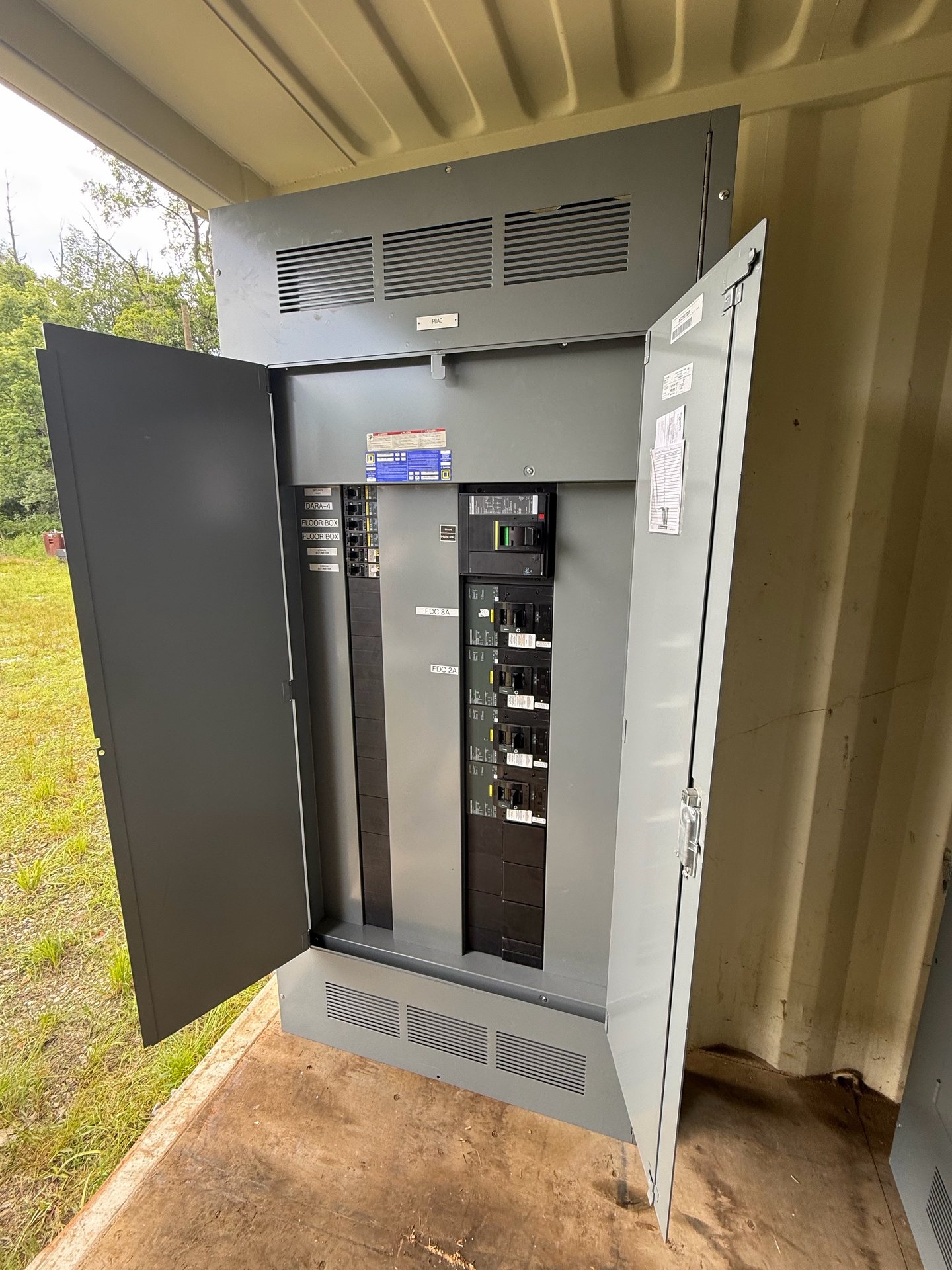
Include the nameplate, lineup or device photos, approximate quantity, visible condition and where the equipment is located. We buy equipment; we do not sell replacement gear or represent a test result that has not been provided.
Start with the nameplate
Request a quote
Tell us what you have. We buy switchgear from decommissioned data centers, shut-down power plants and other facilities. Crane, rigging, disconnects, loading, freight and hauling are on us. You do nothing but get paid.