Before offering surplus switchgear for recovery, assemble a clear inventory and record the route information that could affect removal. Large lineups, split sections, unit substations, busway and loose breakers present different handling and transport needs. Document only dimensions, weights and lifting details you can verify safely; qualified professionals can review access, plan the physical work and determine whether the equipment can be recovered.
Start with an equipment-level inventory
List each asset by type and identify whether it is switchgear, a switchboard, an MCC, a unit substation, busway, a transformer-connected assembly, or loose breakers and accessories. Record visible nameplate information and the number of sections where accessible without entering or opening hazardous areas. Note whether components appear to form one lineup or separate shipping pieces. A concise inventory helps distinguish a compact breaker lot from a multi-section assembly with different transport demands. Do not infer operating condition from appearance; the equipment is assessed before an offer, and seller testing is not required.
Record only supportable size and weight details
Approximate dimensions and weight can help assess route feasibility, but include them only when documented by reliable records or safely available measurements. Identify the source and whether figures apply to a complete assembly, an individual section, or a shipping split. Avoid estimating from photographs or assuming catalog values match the installed equipment. If figures are unavailable, mark them as unknown rather than delaying the inventory or presenting guesses as facts. For heavy or uncertain assemblies, qualified professionals can establish what additional information is needed without asking you to handle, move, or measure equipment unsafely.
Explain sections, splits and connected assemblies
A lineup that separates into transport sections differs from an indivisible assembly, and that distinction can affect lift planning, vehicle selection and the path through the building. Describe known section count, existing shipping splits, and any connections to transformers or adjacent equipment that are documented. Note busway runs and loose accessories separately from the main lineup so they are not overlooked in the recovery scope. Do not disconnect or dismantle anything to improve the description. Qualified personnel will review how equipment can be separated and removed; the seller’s role is to share existing records and observations.
Describe the route and loading conditions
Provide a practical description from the equipment location to the loading point: access openings, turns, changes in level, overhead or width restrictions, and any known obstacles. State whether loading would be from a dock or ground level, and describe the loading surface as far as you can safely observe. Include relevant restrictions such as limited access hours, shared corridors, or areas that cannot be used for staging. Photos of the route may help when taken from safe, permitted positions. Do not move equipment, clear a path, or enter controlled electrical or lifting areas to gather information.
Flag lifting details and safe staging
If lifting points are visibly documented in drawings or equipment records, include that information and identify its source. Do not treat a visible feature as an approved lifting point or make assumptions about load balance, rigging, or capacity. Note whether a possible staging area is available and any access limits known to you, without reserving or preparing it. Crane and rigging requirements depend on the actual equipment, route and loading arrangement. Qualified professionals coordinate and perform those tasks, along with any required qualified electrical disconnects; you should not undertake lifting, isolation, or removal work.
Share the inventory for assessment and an offer
Send the equipment list, available records, route notes and relevant safe-access photos for review. Identify uncertainties clearly, including undocumented weight, unclear shipping splits, or restrictions that still need confirmation. The buyer assesses the equipment and recovery information before making an offer; acceptance is not guaranteed. No seller testing is required. If the transaction is agreed, payment is made upfront under the agreed terms. The assessment can also establish what further review is needed before physical work is planned, so keep the information factual and avoid representing unverified equipment as operational or tested.
Coordinate recovery after acceptance
Once an offer is accepted, recovery planning can address the actual route, loading surface, access conditions, equipment configuration and transport constraints together. Louisiana Switchgear Buyer handles and pays for the crane, rigging, qualified disconnects, loading, freight and hauling for an agreed transaction. Qualified professionals coordinate the physical work; do not dismantle, disconnect, lift, or prepare electrical equipment yourself. Keep relevant site-access and staging information current, and communicate changes that could affect the route or loading plan. This sequence lets the seller provide useful facts while leaving hazardous work and logistics to the recovery team.
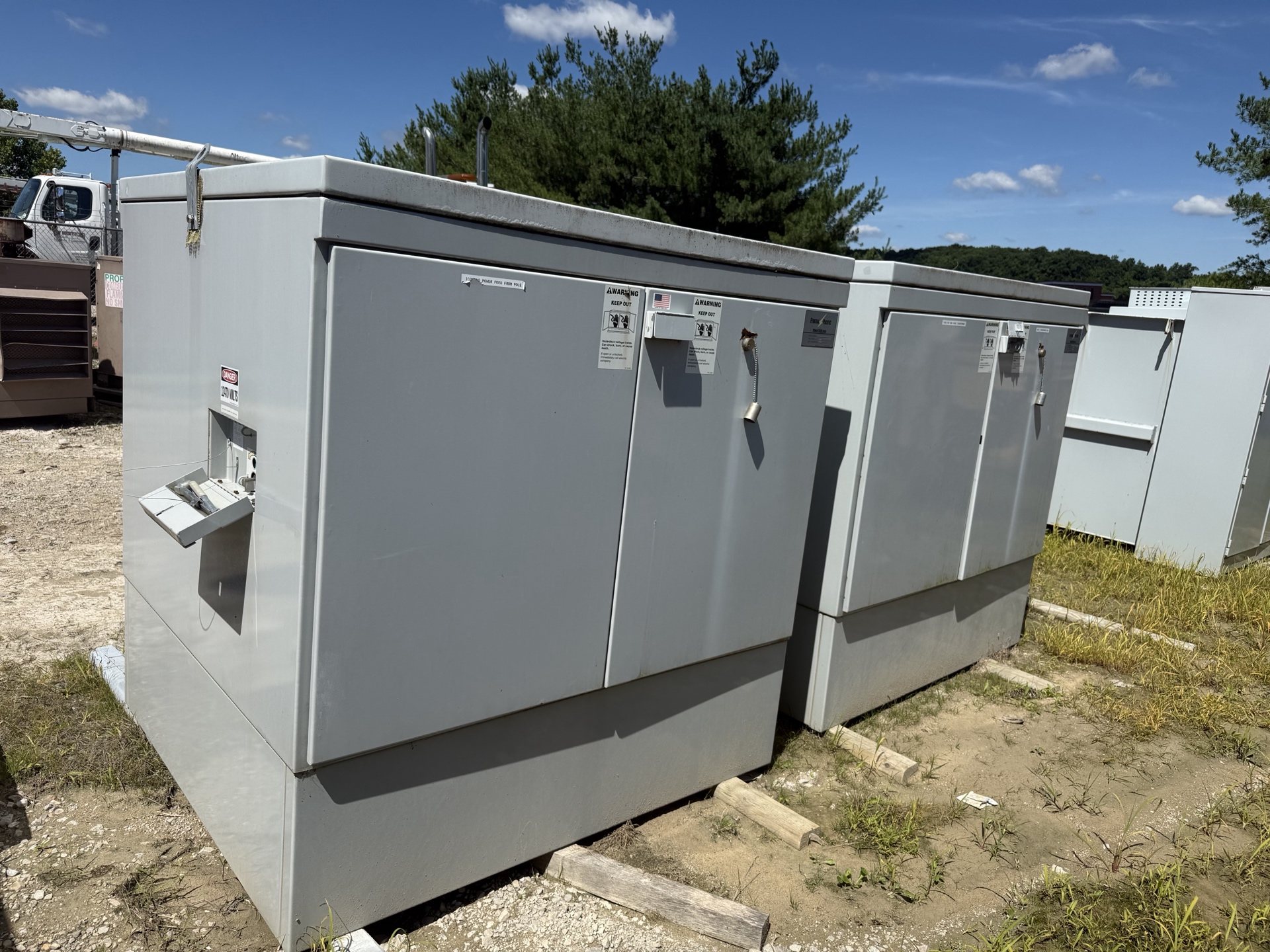
Buyer notes
Send the facts that move the review forward.
Include the nameplate, lineup or device photos, approximate quantity, visible condition and where the equipment is located. We buy equipment; we do not sell replacement gear or represent a test result that has not been provided.
Start with the nameplate
Request a quote
Tell us what you have. We buy switchgear from decommissioned data centers, shut-down power plants and other facilities. Crane, rigging, disconnects, loading, freight and hauling are on us. You do nothing but get paid.