If you have 100–225 A, 480 V switchgear to sell, start with the markings and the equipment’s configuration—not a broad description such as “480-volt panel.” A buyer needs to distinguish bus, main, and breaker ratings, then understand what is included and how the gear is presented. Clear documentation helps Louisiana Switchgear Buyer assess used, surplus, or decommissioned equipment for a possible cash offer.
Record each rating in its own context
Photograph the nameplate and transcribe its exact wording, including units, model or catalog number, and any stated voltage, current, phase, or frequency. Do not reduce the description to “200 A, 480 V” if the label provides more detail. Within this amperage range, a panelboard or smaller feeder assembly may have a main device, bus, and individual breakers with different ratings. List those separately when the information is visible. If a marking is missing, obscured, or uncertain, identify it as unreadable rather than inferring a value from the enclosure or connected equipment.
Separate bus, main, and breaker ratings
A 100–225 A main breaker does not establish the bus rating, and a bus rating does not establish the rating of every installed breaker. Record the marked bus capacity, main-device rating, and individual breaker ratings as distinct fields where available. Also distinguish a breaker’s frame designation from its trip rating; those figures are not interchangeable. This is especially useful when an assembly has been modified, has an empty main position, or contains a mixture of feeder devices. Do not remove covers or open compartments to find information; rely on accessible labels and photographs taken safely.
Describe what “480 V” does—and does not—tell a buyer
A 480 V marking identifies a stated voltage class, not every condition required to determine an application. Note any marked phase and frequency, and transcribe insulation or protective-device information if it is plainly available. Do not assume a particular system configuration from voltage alone. A switchgear section’s suitability depends on its full nameplate context and device ratings, not just a nominal voltage match. If the assembly’s history or intended service is unknown, say so. A precise, limited description is more useful for review than claiming the equipment fits a specific system without supporting markings.
Inventory sections, devices, and completeness
For multiple sections, report the section count and describe the lineup in sequence if that can be done without approaching hazards. Provide an overall view and separate images of accessible nameplates, external handles, and visible devices. List breakers by marked rating and type where legible, and note blank spaces, missing trim, or components that appear absent. Record whether barriers, doors, and other visible parts are present without removing anything. A single 480 V, 200 A section is a different review from a multi-section assembly with feeder breakers, even when both share the same headline rating.
Capture enclosure, dimensions, and visible condition
Give approximate overall dimensions and identify the enclosure style or rating only when marked or otherwise clearly documented. State whether the lineup is indoors or outdoors only if you know its installation history; do not infer environmental suitability from appearance. Describe observable conditions neutrally: corrosion, dents, missing labels, damaged paint, or incomplete sections. Avoid calling the equipment operational, service-ready, or tested unless there is reliable documentation supporting that statement. Louisiana Switchgear Buyer assesses equipment before making an offer, and visible condition and completeness help frame that review. Seller testing is not required.
Handle removal and loading through qualified professionals
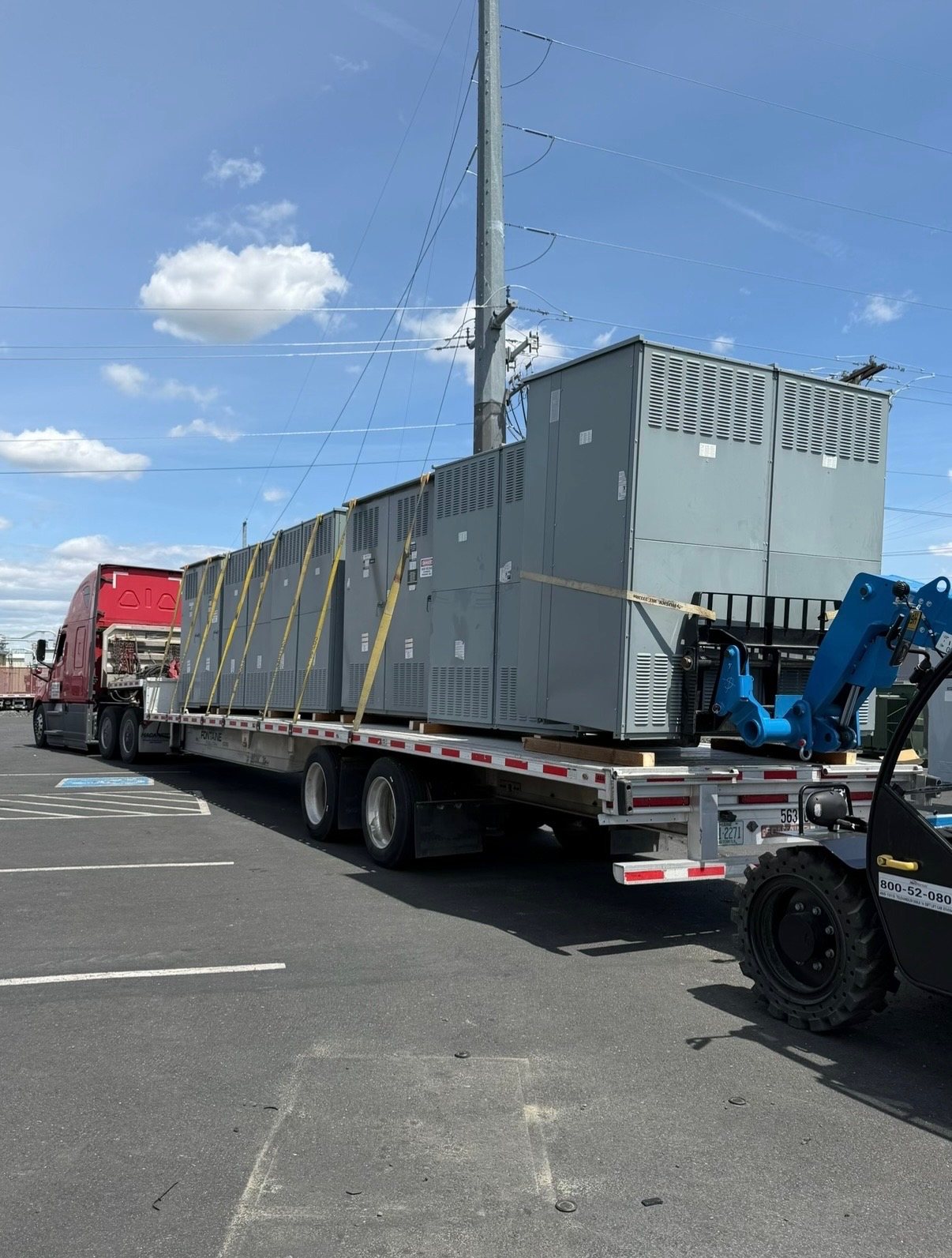
Do not disconnect, isolate, dismantle, lift, or load switchgear yourself. Electrical isolation and any removal work must be handled by qualified professionals, while rigging and lifting require appropriate qualified personnel. Louisiana Switchgear Buyer handles and pays for qualified disconnects, crane and rigging, loading, freight, and hauling on an agreed transaction. Share access constraints and the equipment’s location as part of the review, but leave physical work to the professionals coordinating removal. This applies whether the gear is installed, stored, or part of a decommissioned facility; no seller hazardous work is needed.
Send a review-ready record, not a guessed valuation
A useful submission includes exact marked ratings, manufacturer and catalog information, section count, enclosure details, dimensions, device list, visible condition, and completeness. Add clear photos and identify any unknowns. The same 100–225 A / 480 V description can represent substantially different assemblies depending on bus capacity, main configuration, breaker mix, and condition, so a headline rating alone cannot establish value. Louisiana Switchgear Buyer reviews the available information and equipment before deciding whether to make a cash offer. If a transaction is agreed, payment is made upfront; acceptance is not guaranteed.
Buyer notes
Send the facts that move the review forward.
Include the nameplate, lineup or device photos, approximate quantity, visible condition and where the equipment is located. We buy equipment; we do not sell replacement gear or represent a test result that has not been provided.
Start with the nameplate
Request a quote
Tell us what you have. We buy switchgear from decommissioned data centers, shut-down power plants and other facilities. Crane, rigging, disconnects, loading, freight and hauling are on us. You do nothing but get paid.