If you are preparing 4.16 kV switchgear marked between 226 and 600 A for review, begin with the nameplates and lineup configuration—not a single headline rating. Main-bus capacity, breaker ratings, voltage markings, and equipment condition answer different questions. Clear records help Louisiana Switchgear Buyer assess the equipment and determine whether to make an offer. No seller testing is required, and acceptance is not guaranteed.
Capture ratings exactly as marked
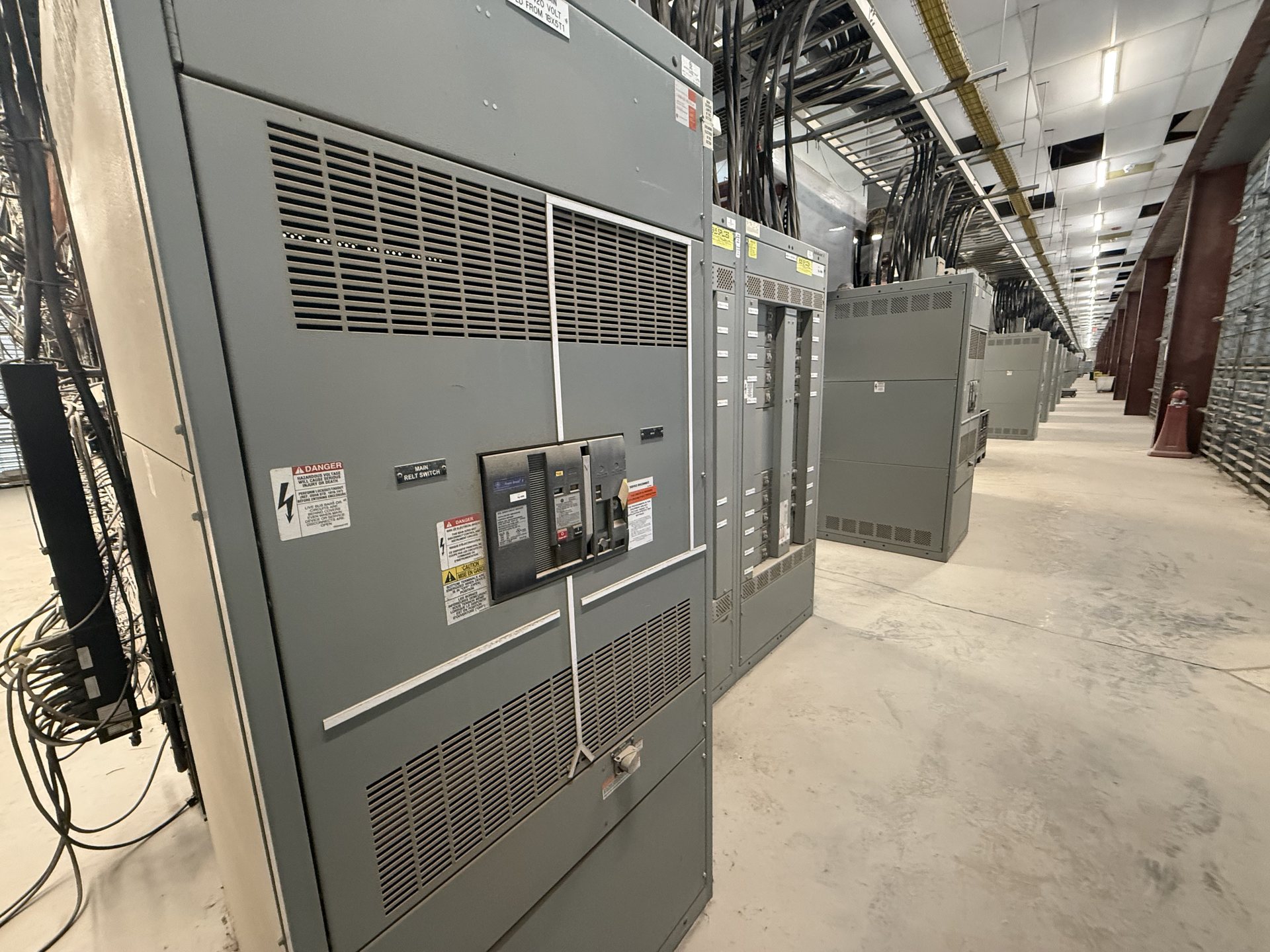
Photograph each accessible nameplate and transcribe its wording, units, and any distinctions between ratings. Record the marked voltage and current without converting them into an assumed system rating. A lineup may include multiple sections or devices with different ratings, and one plate may describe only a component. Include manufacturer and catalog information when legible; note illegible or missing fields rather than filling them in from memory. Take photographs only from safe, accessible positions. Do not open energized compartments or handle electrical equipment to reach a label; qualified personnel should manage any required access.
Keep bus, breaker, and interrupting values separate
A 226–600 A figure can refer to a bus, breaker frame, or another equipment rating, so identify the label and component associated with each value. A breaker frame rating is not automatically its continuous current rating, and neither figure establishes interrupting capacity. Record each value as printed and pair it with the device or section it describes. If the markings are unclear, say so. This distinction matters when equipment is compared for a possible application and prevents a reviewer from treating separate electrical characteristics as interchangeable.
Describe voltage and system details without assumptions
Record 4.16 kV only where that value appears on the equipment documentation or nameplate, and distinguish it from any separate marked maximum voltage or other rating. Do not infer the actual system use from a nominal voltage alone. Note phase and frequency when marked, along with the source of that information. For industrial medium-voltage equipment, these details help characterize the lineup and its devices, but they do not establish compatibility with a particular installation. A reviewer can assess documented facts; missing information should remain identified as unknown.
Inventory the lineup and its devices
Provide the number of sections, their arrangement if known, and an equipment list covering installed breakers and other identifiable devices. Distinguish included components from items removed or stored separately. Note whether doors, covers, barriers, or obvious accessories appear present, without dismantling anything to check. A simple section-by-section inventory is more useful than a broad description such as “complete switchgear,” especially when equipment has been modified or decommissioned. If you have drawings, schedules, or prior asset records, include copies as supporting information and flag any mismatch with what is visibly present.
Record enclosure, dimensions, and visible condition
Describe the enclosure type only as far as it can be identified, and provide approximate overall dimensions for the lineup and individual sections if available. Measurements help assess handling and transport planning; they do not replace a site review. Report visible condition factually: for example, missing panels, exterior damage, corrosion, stored components, or signs of prior removal. Do not claim that equipment is operational, tested, or suitable for reuse based on appearance. No seller testing is required. Leave electrical inspection, isolation, and any access beyond safe observation to qualified professionals.
Prepare a clear review package
Group the records into a concise package: exact marked ratings, manufacturer and catalog, section count, enclosure, dimensions, device list, visible condition, and completeness. Add photographs of accessible nameplates and the overall lineup, with filenames or captions identifying the section shown. State which information is confirmed, estimated, or unavailable. This makes it easier to identify follow-up questions before an offer is considered. The equipment is assessed before an offer, and submitting a detailed package does not guarantee acceptance. Avoid presenting an assumed rating or an unverified condition as a confirmed fact.
Coordinate removal and transport responsibilities
If an agreed transaction proceeds, Louisiana Switchgear Buyer handles and pays for qualified disconnects, crane and rigging, loading, freight, and hauling. Do not undertake electrical work, lifting, or rigging yourself; those activities belong with qualified professionals. Share relevant access and handling information so removal can be coordinated, including known restrictions or route concerns, without attempting to resolve hazards independently. The buyer makes cash offers and pays upfront on agreed transactions. Any arrangement depends on assessment and acceptance, so retain the equipment records and confirm the transaction details before removal is scheduled.
Buyer notes
Send the facts that move the review forward.
Include the nameplate, lineup or device photos, approximate quantity, visible condition and where the equipment is located. We buy equipment; we do not sell replacement gear or represent a test result that has not been provided.
Start with the nameplate
Request a quote
Tell us what you have. We buy switchgear from decommissioned data centers, shut-down power plants and other facilities. Crane, rigging, disconnects, loading, freight and hauling are on us. You do nothing but get paid.