If you have 1,201–2,000 A, 240 V switchgear to sell in Louisiana, begin with the exact nameplate information and a clear inventory of its sections and devices. This is a substantial distribution range: bus construction, main-device details, bracing, and section dimensions help distinguish what is present. Record what you can observe safely; Louisiana Switchgear Buyer assesses the equipment before making an offer.
Capture nameplate ratings as marked
Photograph each accessible nameplate without opening energized compartments or approaching equipment that has not been made safe by qualified personnel. Record the exact marked amperage and voltage, along with manufacturer, catalog or model identifiers, and any other legible ratings. Keep the 1,201–2,000 A range distinct from a single assumed value: a specific lineup may include sections or devices with different ratings. Note missing, damaged, or unreadable plates rather than filling gaps by inference. These details let a buyer evaluate the actual equipment offered and avoid confusing nominal system descriptions with the markings on the gear.
Separate bus and breaker ratings
For this amperage range, the main bus rating and the ratings of installed breakers are separate inventory facts. A breaker frame size does not establish the bus rating, and the rating printed on a device should not be treated as proof of the lineup’s capacity. List each main or feeder device by its visible identification and marked rating where available. Also distinguish continuous current rating from interrupting rating; they describe different characteristics and should not be collapsed into one number. If documentation is incomplete, identify that uncertainty plainly. Assessment depends on the equipment and information available, not on assumptions from one prominent label.
Confirm what 240 V describes
Record 240 V as marked, but do not infer the exact system arrangement or intended application from voltage alone. Phase and frequency should be documented separately if shown on labels or reliable records; they are not interchangeable with nominal voltage. Note whether the information comes from a nameplate, drawing, or another source. This helps a reviewer compare the marked equipment with its configuration without treating a common low-voltage class as confirmation of a particular installation. Do not test, energize, or alter equipment to answer questions. Any electrical inspection or isolation needed for safe access belongs to qualified professionals.
Map sections, enclosure, and dimensions
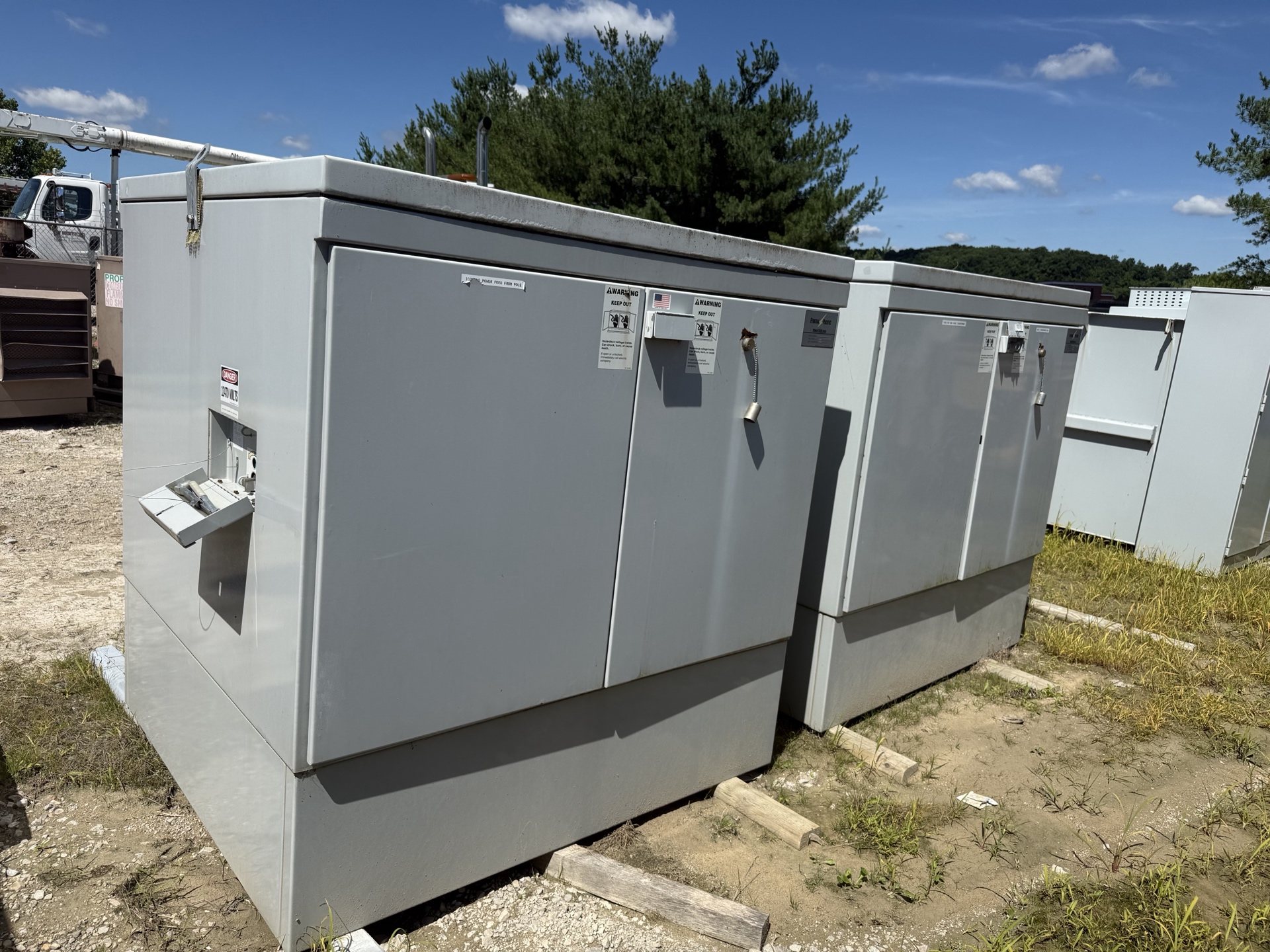
Count the lineup sections and describe their arrangement in a simple list or sketch based on safely visible features. Record enclosure type or construction where identifiable, overall dimensions, and individual section dimensions when practical. For large distribution gear, physical layout matters alongside ratings: section width, depth, height, bus arrangement, and connection points can affect handling and evaluation. Photograph the exterior, labels, and visible interfaces from safe positions. Do not remove covers or reach into compartments to improve a record. If dimensions are estimated, label them as estimates and state how they were obtained so the buyer can judge their usefulness.
List devices and note completeness
Prepare a device list that identifies visible mains, feeders, and other included components, noting manufacturer, catalog information, and marked ratings where legible. Record whether doors, covers, bus components, controls, and other expected parts appear present, absent, or uncertain. Describe visible condition objectively: for example, note corrosion, dents, missing labels, or apparent water exposure without diagnosing internal condition. The gear need not be seller-tested for review. Avoid describing it as operational unless that status is established through appropriate records and qualified evaluation. Clear, factual documentation helps the buyer assess completeness and condition before deciding whether to make an offer.
Prepare a considered sale review
Gather the rating records, section inventory, photographs, dimensions, and any available drawings or maintenance documents into one package. Identify what is included and where the equipment is located, and flag known gaps instead of spending time trying to resolve them through unsafe access. Louisiana Switchgear Buyer purchases used, surplus, and decommissioned switchgear, including equipment from shut-down facilities, and can consider all voltage classes. The equipment is assessed before an offer; acceptance is not guaranteed. If terms are agreed, payment is made upfront. The review is based on the specific lineup, its documented details, condition, completeness, and removal considerations.
Coordinate removal and recovery
After an offer is accepted and transaction terms are agreed, coordinate access and removal arrangements with the buyer. Louisiana Switchgear Buyer handles and pays for qualified disconnects, crane and rigging, loading, freight, and hauling as part of its removal process. The seller should not disconnect electrical equipment, lift sections, or arrange hazardous handling. Keep the area and access information available for the professionals coordinating the work, and identify any site constraints that could affect removal. Leave isolation, electrical work, and lifting to qualified personnel. This sequence allows the buyer to plan recovery around the actual equipment while keeping seller responsibilities focused on records, access coordination, and agreed sale terms.
Buyer notes
Send the facts that move the review forward.
Include the nameplate, lineup or device photos, approximate quantity, visible condition and where the equipment is located. We buy equipment; we do not sell replacement gear or represent a test result that has not been provided.
Start with the nameplate
Request a quote
Tell us what you have. We buy switchgear from decommissioned data centers, shut-down power plants and other facilities. Crane, rigging, disconnects, loading, freight and hauling are on us. You do nothing but get paid.