A 2,001–4,000 A, 600 V marking can describe only part of a switchgear lineup’s rating picture. For a useful review, document the exact nameplate information alongside the bus, breaker, phase, frequency, and enclosure details. Louisiana Switchgear Buyer assesses used, surplus, and decommissioned equipment before making an offer; acceptance is not guaranteed, and seller testing is not required.
Define exactly what is included
Describe the physical lot as it stands: complete lineup, selected sections, loose breakers, or associated controls and accessories. Record the number of sections and identify which components remain in place. If equipment is being separated from a larger installation, state what is excluded, such as a transformer, external bus duct, or adjacent lineup. Do not assume that a visible group of cabinets is a complete assembly. A clear boundary helps determine whether the 2,001–4,000 A, 600 V designation applies to the equipment offered or only to one section or device.
Capture every rating in context
Photograph each accessible nameplate and transcribe the exact marked ratings rather than rounding them to the range label. Record manufacturer, catalog or type designation, voltage, current, phase, frequency, and any other rating fields shown. The main bus rating is distinct from a breaker’s frame size, and a breaker frame marking does not establish its continuous current rating. Likewise, interrupting rating is not the same as ampere rating. Treat 600 V as the marked voltage class, not proof of suitability for an assumed system. Leave inspection of equipment to qualified personnel.
Separate system details from assumptions
Phase and frequency matter alongside nominal voltage when a buyer is assessing compatibility and configuration. Note the values exactly as marked; if a field is absent, unreadable, or uncertain, label it unknown rather than inferring it from the facility or connected load. Record whether the 2,001–4,000 A figure appears on a main bus, a device, or another nameplate field. If multiple ratings appear across sections, document each separately. These distinctions prevent a broad range description from obscuring meaningful differences among the lineup’s components.
Describe the lineup’s construction
Provide overall dimensions and identify the enclosure type or configuration where visible. Include the section count, arrangement, and any obvious differences between sections, such as a main, tie, or feeder section, without guessing at function when labels are unclear. List installed devices by their visible markings and position, including breakers or control components; avoid describing a device as operational unless that status has been established. Note whether doors, covers, barriers, and apparent accessories are present. Photographs of the exterior and readable labels can support the written inventory without requiring you to open energized compartments.
Report condition and completeness honestly
Give a concise account of visible condition: for example, cabinet damage, corrosion, missing doors, removed devices, or incomplete sections. Distinguish what you can see from what is unknown. Do not represent stored or decommissioned switchgear as tested, functional, or ready for reuse without supporting information. Seller testing is not required for review. If records, drawings, maintenance history, or prior test documents are available, identify them as documents and describe their scope; their existence does not by itself establish present condition. Never touch electrical equipment to obtain details or expose internal parts.
Flag uncertainties that affect review
The most useful early clarifications are those that could change what the lot contains or how its ratings should be understood: conflicting nameplates, unreadable data, a mix of section ratings, missing devices, uncertain completeness, or an unclear distinction between bus and breaker ratings. State whether the equipment has been disconnected or remains in an electrical installation, if known, without attempting to verify it yourself. Questions about isolation or electrical status belong with qualified professionals. Louisiana Switchgear Buyer reviews the available description and equipment information before making a cash offer; a submitted lot is not automatically accepted.
Coordinate removal and recovery
For an agreed transaction, removal is handled by qualified professionals, not the seller. The buyer handles and pays for qualified disconnection, rigging, lifting, loading, freight, and hauling as applicable to the agreed scope. Do not disconnect conductors, move sections, operate lifting equipment, or prepare an energized lineup yourself. Share access constraints and the equipment’s location within the property so recovery can be coordinated safely. Payment is made upfront on agreed transactions. This process applies to eligible switchgear from industrial, institutional, utility, data-center, and shut-down power-plant settings, subject to assessment and acceptance.
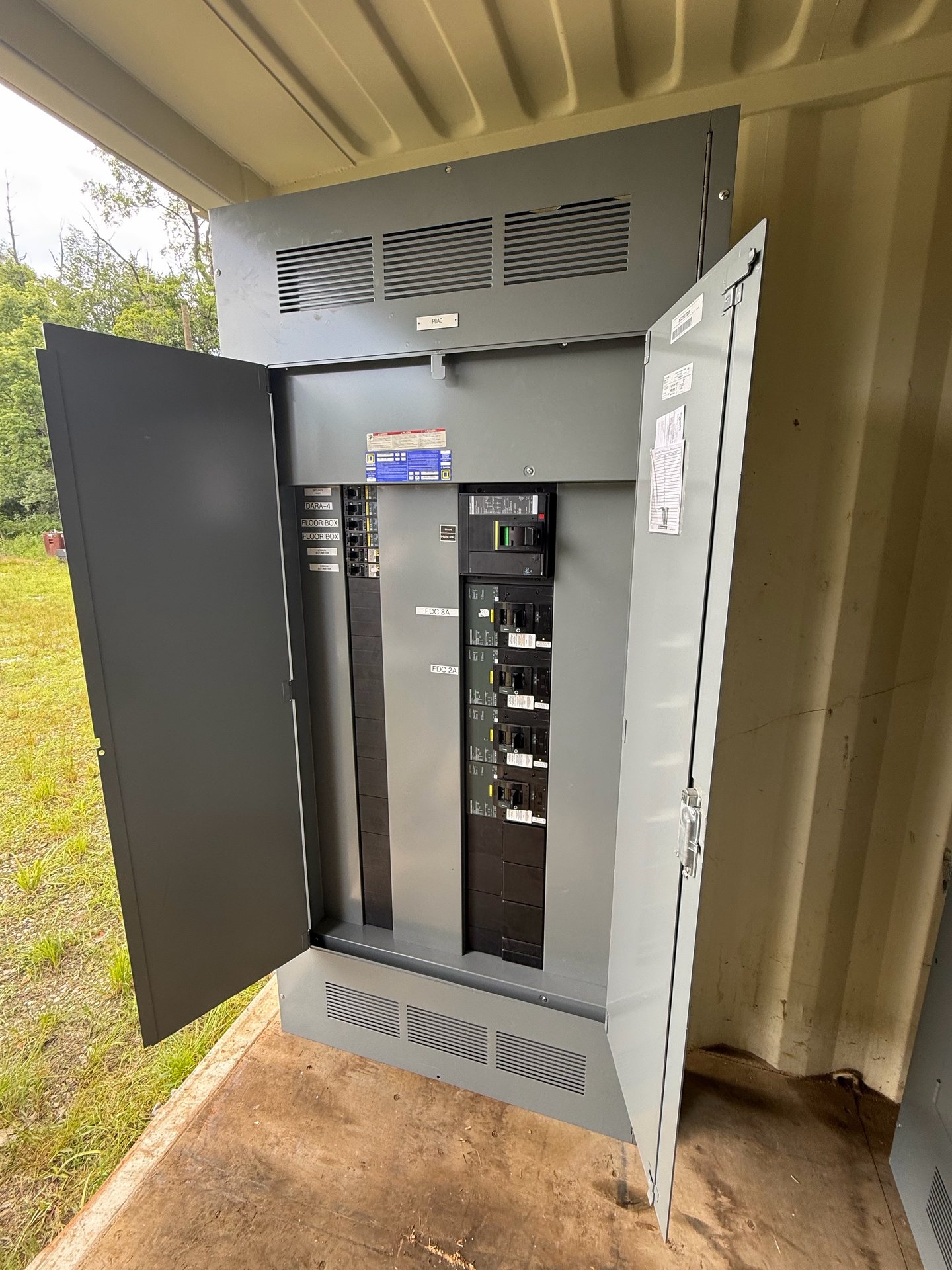
Buyer notes
Send the facts that move the review forward.
Include the nameplate, lineup or device photos, approximate quantity, visible condition and where the equipment is located. We buy equipment; we do not sell replacement gear or represent a test result that has not been provided.
Start with the nameplate
Request a quote
Tell us what you have. We buy switchgear from decommissioned data centers, shut-down power plants and other facilities. Crane, rigging, disconnects, loading, freight and hauling are on us. You do nothing but get paid.