If you have 13.8 kV switchgear marked above 4,000 A, existing records and safe exterior photographs can help establish what the assembly includes before a buyer reviews it. These are configuration-specific ratings, not a complete description of capability or condition. Share the exact nameplate information, equipment layout, and known completeness; Louisiana Switchgear Buyer assesses the equipment before making any offer.
Start with the exact nameplate wording
Transcribe each accessible nameplate as written, including manufacturer, catalog or type designation, serial number, rated voltage, current values, frequency, and any listed interrupting data. Do not reduce the record to “over 4,000 A, 13.8 kV”: the precise markings and the plate they appear on matter. If a rating cannot be read from a safe exterior position, note it as unreadable rather than estimating. Exterior photographs should be taken only where staff can do so safely, without opening compartments or approaching energized equipment. Clear images and faithful transcriptions help distinguish the equipment’s marked ratings from assumptions made in an inventory.
Separate main-bus and breaker ratings
A large current figure may refer to the switchgear main bus, a breaker, or another component. Record the value alongside the nameplate or device it belongs to, and identify which lineup section it applies to when existing drawings or schedules make that clear. Do not report a breaker frame size as the continuous current rating, or treat the assembly’s bus rating as the rating of every installed device. This distinction is especially important for specialized assemblies above 4,000 A, where component arrangements vary. A buyer can use equipment schedules, one-line diagrams, and device lists to compare the documented ratings with the actual configuration.
Keep continuous and interrupting ratings distinct
Record continuous-current ratings separately from interrupting ratings and other short-circuit markings. These values describe different characteristics; one cannot substitute for another or establish the condition of the equipment. Capture the exact units and labels shown on the plates, and include the associated breaker or device identification when available in existing records. If a document lists a rating but its relationship to a particular section is unclear, flag that uncertainty instead of assigning it. This gives the buyer a more reliable basis for technical review and helps identify which records or photographs may clarify the lineup. No seller testing is required for an initial review.
Document voltage without assuming system use
For 13.8 kV equipment, report the marked voltage exactly and identify the plate or drawing where it appears. A nominal voltage label alone does not establish the intended system, insulation arrangement, or compatibility with a particular application. Share existing insulation-level, dielectric, and interrupting information when documented, without inferring missing values. If the switchgear served a known facility or system, include that context only when it is supported by records. The buyer reviews the marked voltage alongside the equipment configuration and available technical data; an assumed system use should not replace nameplate evidence or a documented application.
Include phase, frequency, and lineup layout
Record phase and frequency independently from nominal voltage. These details can affect how a buyer interprets the assembly, so avoid assuming standard values where the markings or records are unavailable. Provide the section count and, if known, a lineup drawing or equipment schedule showing how sections are arranged. Note whether the material being offered includes the full lineup or only identified sections, and list any separate enclosures or associated equipment included. The drawing does not need to resolve every technical question; its value is in showing the relationship between sections and helping the buyer compare the documented assembly with exterior photographs and inventory records.
Describe enclosure, dimensions, and visible condition
From existing records, provide enclosure type and overall dimensions, plus section-by-section dimensions if they are available. Safe exterior photographs can show nameplates, front and side views, doors, labels, and visible exterior damage, provided staff remain clear of electrical hazards and do not open compartments. Describe visible rust, dents, missing external covers, or other apparent issues plainly; do not infer internal condition or operational status from appearance. A concise condition note is more useful than a broad claim that the equipment is good or complete. These details help the buyer understand handling and configuration considerations before assessing the assembly and preparing any offer.
List devices and confirm what remains
Use schedules, drawings, or existing inventories to list breakers and other devices by section, including manufacturer, catalog or type, and marked ratings where recorded. Note missing, removed, or unidentified components, and distinguish confirmed contents from items that are believed to be present. Include known accessories and associated equipment only when they are part of the offered lot. Louisiana Switchgear Buyer purchases used, surplus, and decommissioned switchgear, including equipment from shut-down power plants and decommissioned data centers, but acceptance depends on assessment. No seller testing is required. If an offer is accepted and agreed, the buyer handles and pays for qualified disconnection, rigging, loading, freight, and hauling; sellers should leave this work to qualified professionals.
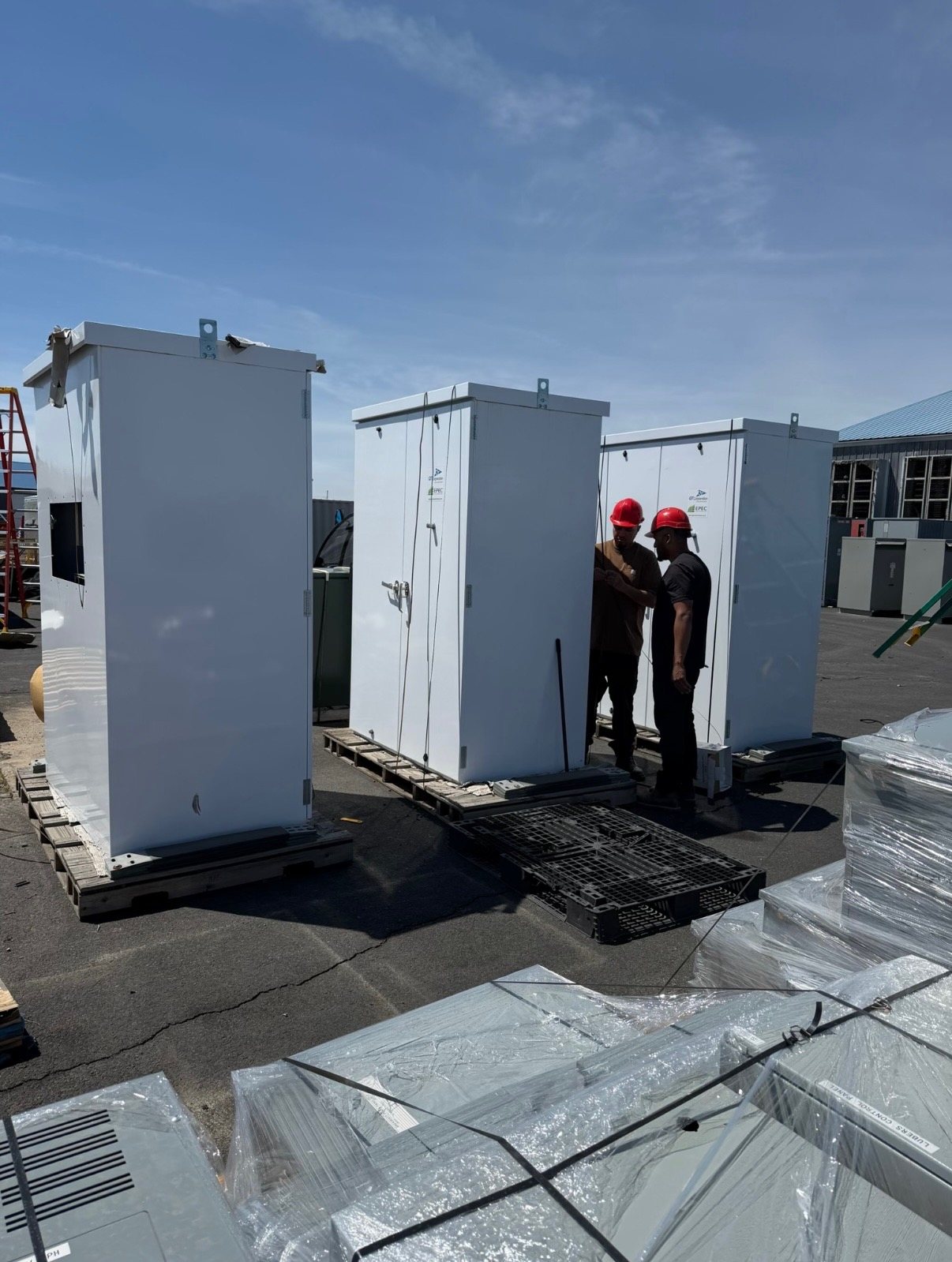
Buyer notes
Send the facts that move the review forward.
Include the nameplate, lineup or device photos, approximate quantity, visible condition and where the equipment is located. We buy equipment; we do not sell replacement gear or represent a test result that has not been provided.
Start with the nameplate
Request a quote
Tell us what you have. We buy switchgear from decommissioned data centers, shut-down power plants and other facilities. Crane, rigging, disconnects, loading, freight and hauling are on us. You do nothing but get paid.