Before presenting electrical equipment from a retired power plant for review, establish what is included in each lot and where one assembly ends and another begins. Medium-voltage switchgear, station-service gear, breakers, motor control centers, auxiliary panels and control equipment may sit near one another while having different identities, ratings and completeness. A clear inventory separates assembled equipment from loose devices, records visible evidence, and flags questions that cannot yet be answered.
Set lot boundaries around identifiable equipment
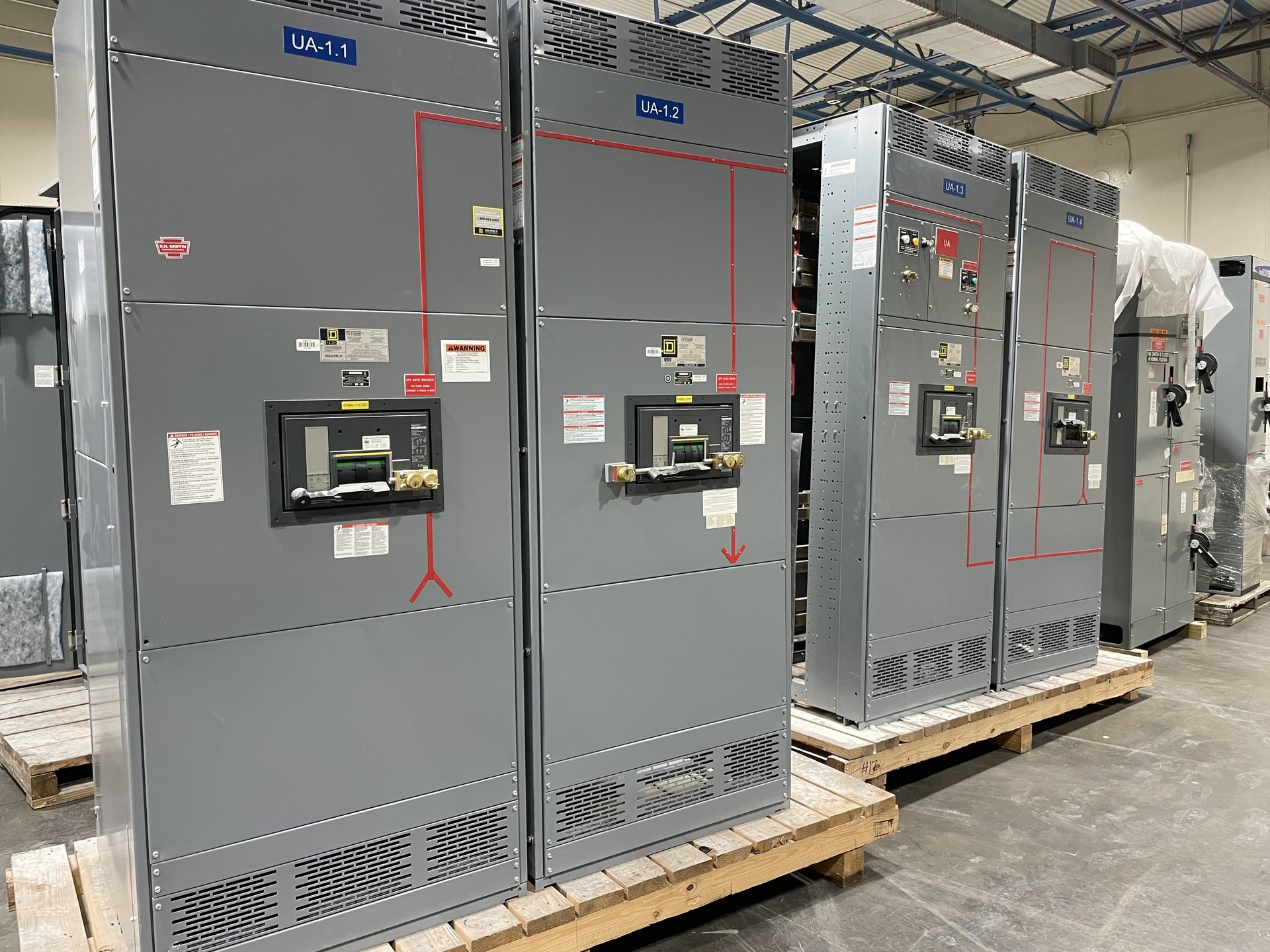
Define each proposed lot by recognizable assemblies, not simply by room, lineup, or the area scheduled for teardown. A medium-voltage switchgear lineup may contain multiple sections, while nearby station-service equipment, an MCC, or control panels may be separate assets. Note the section or assembly boundaries shown on available drawings and schedules, then compare them with what is visibly present. If a boundary is uncertain, mark it as uncertain rather than including adjacent gear by assumption. This prevents a review from treating separate equipment as one package and helps identify which components belong together.
Separate complete assemblies from loose devices
Record whether each item appears to be a complete assembly, a section of a larger lineup, or a loose device removed from its original position. List breakers, relays, meters, control components, and accessories separately when their association with a particular cubicle or panel is unclear. Note visible gaps, empty spaces, or missing covers without trying to inspect inside energized compartments. A breaker stored beside switchgear is not automatically part of that lineup. These distinctions matter because an assembled section and an unassociated loose breaker present different information for evaluation, even when their general equipment descriptions sound similar.
Capture visible identifiers and ratings
Photograph accessible nameplates and markings that identify manufacturer, model or type, serial number, voltage, current, interrupting rating, and other stated ratings. Include an overall view of each lineup or panel and closer images of individual nameplates, section labels, and breaker identifiers. Transcribe only what can be read; use “not visible” or “unreadable” where appropriate. Do not infer ratings from a neighboring section or assume that a device matches the enclosure around it. These records help distinguish similar-looking equipment and give a buyer useful facts without representing that the equipment has been tested or is operational.
Use drawings to clarify scope, not replace observation
Include a one-line diagram or section schedule when available, and identify the revision or date if it is shown. Use those records to explain how the proposed lots relate to the plant’s electrical arrangement, but note apparent differences between the documents and equipment in place. A schedule may identify sections that are now separated, altered, or no longer present. Record those discrepancies for follow-up instead of silently reconciling them. For control equipment and auxiliary panels, a device list can help describe contents, but it should be distinguished from a current physical count when the list has not been checked against the equipment.
Describe dimensions, access, and unknowns
Provide approximate dimensions for major assemblies when they can be obtained safely, and describe access conditions relevant to a later removal assessment: location, route constraints, door or aisle limitations, and any visible need for coordinated lifting or transport planning. Do not move equipment to measure it. Add a short “unknown” list covering unreadable labels, uncertain lot boundaries, missing documentation, unconfirmed accessory associations, and any condition questions. Access notes are planning information, not a request for your staff to disconnect or rig equipment. Qualified professionals must handle electrical isolation, lifting, rigging, and removal.
Confirm ownership and authority before offering the lot
Identify the party authorized to sell each lot and whether the proposed scope includes equipment owned by another entity, a contractor, or a separate project. Provide available ownership or authorization documentation and clarify any items excluded from the sale. This is particularly useful where a teardown involves several equipment groups or where loose devices have been staged away from their original assemblies. Accurate authority information helps prevent delays and avoids including property that cannot be transferred. An equipment review and offer are not automatic acceptance; the buyer assesses the documented assets and may make a cash offer for items it is prepared to purchase.
Arrange review and removal as a coordinated transaction
Send the inventory, drawings if available, device list, photographs, dimensions, access notes, and authorization details together. State plainly which facts are confirmed and which remain unknown. Testing by the seller is not required; do not energize, open energized compartments, or undertake electrical work to improve the submission. After the equipment is assessed, discuss the proposed scope and any offer. If terms are agreed, payment is made upfront on the agreed transaction. Louisiana Switchgear Buyer handles and pays for qualified disconnects, crane and rigging work, loading, freight, and hauling, coordinating removal with qualified professionals.
Keep the lot intact until scope is agreed
Once a lot is under review, maintain clear identification of its assemblies and loose components so the agreed scope can be matched to what is removed. Do not detach devices, dismantle sections, or rearrange equipment to create a more complete-looking package. If items are added, excluded, or found to have a different identity, update the inventory and obtain agreement on the revised scope before removal. This is especially important for plant station-service gear and auxiliary controls located near larger switchgear lineups. A disciplined record, clear boundaries, and professional removal planning support a considered sale without asking the seller to perform hazardous work.
Buyer notes
Send the facts that move the review forward.
Include the nameplate, lineup or device photos, approximate quantity, visible condition and where the equipment is located. We buy equipment; we do not sell replacement gear or represent a test result that has not been provided.
Start with the nameplate
Request a quote
Tell us what you have. We buy switchgear from decommissioned data centers, shut-down power plants and other facilities. Crane, rigging, disconnects, loading, freight and hauling are on us. You do nothing but get paid.