A retired generating facility can leave electrical equipment distributed across rooms, skids and support areas, with assemblies mixed among loose devices and controls. A useful review starts by defining the proposed lot rather than treating every item as one system. Record what is present, how pieces relate, what can be identified from visible markings, and what remains uncertain before requesting an assessment.
Set the lot boundary by room and assembly
List the equipment included in the proposed sale by room, lineup or other clear grouping. Separate medium-voltage switchgear and station-service gear from MCCs, auxiliary panels, breakers and control equipment, even when they occupy the same room. Note whether adjacent components are included or excluded, and identify any shared structures or sections whose ownership is unclear. A room-based inventory helps prevent a mixed lot from being mistaken for a single complete system. If equipment is spread across several areas, use a distinct label for each location and keep that label consistent in the device list and photographs.
Distinguish complete assemblies from loose items
For each lineup, switchboard-like assembly or control grouping, state whether it appears to be a complete assembly, a partial assembly or an individual section. Then list loose breakers, relays, meters, control devices and accessories separately; do not imply they belong to a particular lineup unless that relationship is known. Record visible gaps, removed devices or detached parts as observations, not as proof of condition. A buyer can assess a more coherent lot when the description makes clear which items are physically grouped and which are merely stored nearby. Do not move equipment to improve the inventory.
Capture visible identifiers and ratings
Transcribe identifiers that can be read from existing nameplates or labels, including manufacturer, model or type, serial number, voltage, current and interrupting ratings where marked. Note the equipment category and section designation when visible. Photograph markings in place, using a wider view to show the assembly and a closer view for legibility; avoid opening energized compartments or touching electrical equipment. If a label is obscured, damaged or absent, say so rather than guessing. Visible ratings support review but do not establish operating condition, compatibility, or that a device has been tested.
Build a useful document and photo set
Gather a one-line diagram or section schedule when available, along with nameplate images, a device list, approximate dimensions and access notes. Use consistent room and item identifiers across every file so a reviewer can match a schedule entry to a photograph. Include the date or source of a document when known, and flag documents that may not reflect the equipment as it now stands. Dimensions and access details help plan removal and transport; they need not involve seller-performed measurements near hazards. If safe access is uncertain, leave that work to qualified personnel.
Make unknowns explicit instead of filling gaps
Separate confirmed observations from questions still open. Unknowns may include whether a breaker is paired with a particular cell, whether control equipment is complete, whether accessories are present, or whether a section belongs to the proposed lot. Also identify unreadable ratings, undocumented modifications and uncertain ownership or authorization status. These points can affect how an offer is assessed, so disclose them plainly. Do not infer that equipment is operational from appearance or assume it has been tested. No seller testing is required for review; the equipment is assessed before an offer, and acceptance is not guaranteed.
Coordinate review and removal as one process
Send the inventory and available documentation for assessment before arranging a sale. If the equipment is accepted and terms are agreed, Louisiana Switchgear Buyer can make a cash offer and pays upfront on agreed transactions. The buyer handles and pays for qualified disconnects, crane and rigging, loading, freight and hauling. Sellers should not disconnect, lift, dismantle or prepare electrical equipment themselves. Any isolation, electrical work or access requiring specialized safety measures belongs to qualified professionals coordinated for the recovery. Confirm the lot boundary and removal access with the buyer before work is scheduled.
Keep mixed-room recovery controlled
A coordinated pickup depends on separating sale items from equipment or materials that are not included, especially where several electrical categories share a room. Use the agreed inventory identifiers to distinguish sections, loose breakers, MCC components, auxiliary panels and controls. Keep access information current and identify restrictions or obstacles for the removal team, without attempting to clear or reposition heavy gear. Switchgear from a decommissioned power plant is within the buyer’s scope, across voltage classes, but each lot is reviewed on its own details. Clear records help align assessment, agreed terms and professional removal.
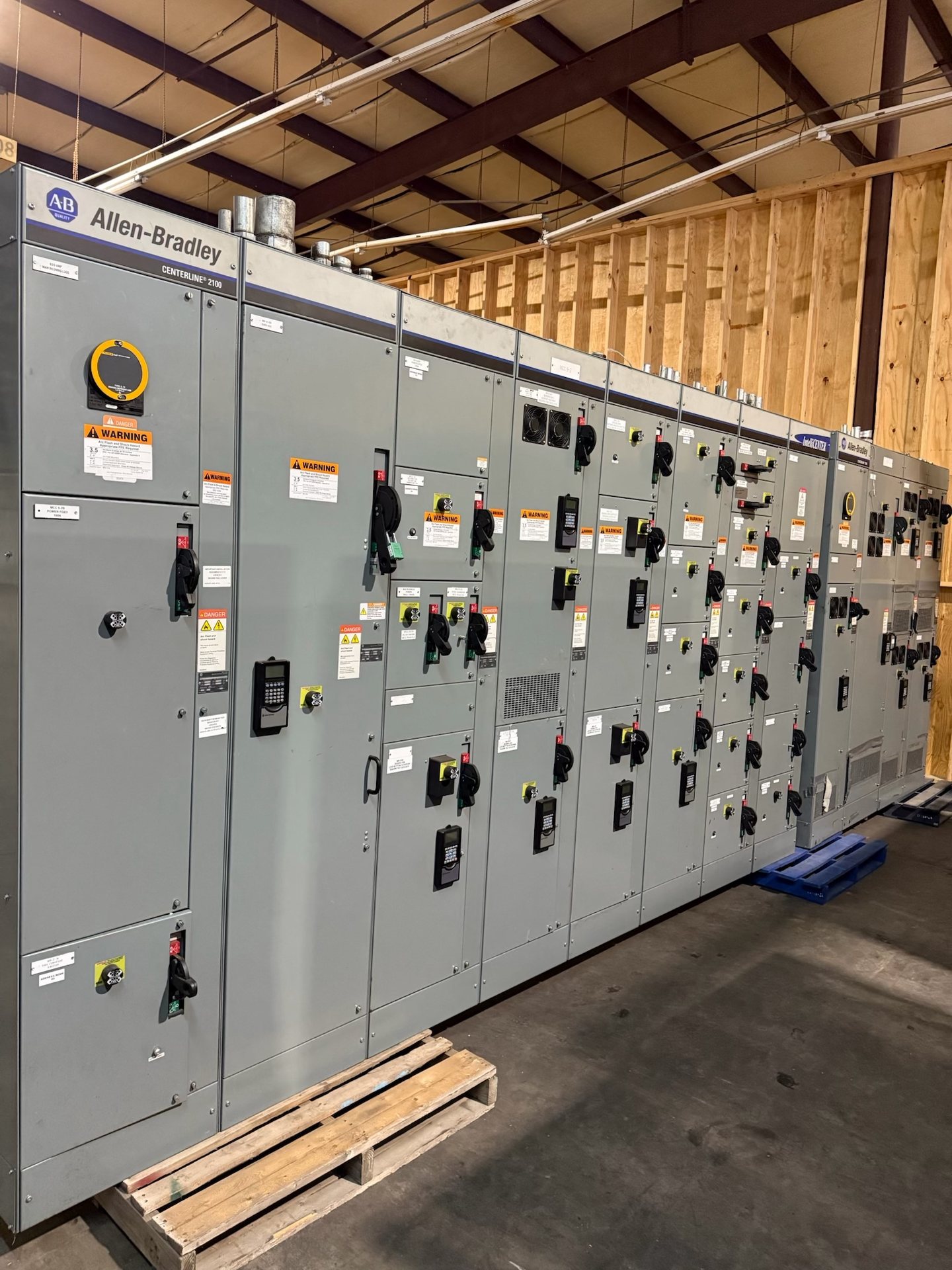
Buyer notes
Send the facts that move the review forward.
Include the nameplate, lineup or device photos, approximate quantity, visible condition and where the equipment is located. We buy equipment; we do not sell replacement gear or represent a test result that has not been provided.
Start with the nameplate
Request a quote
Tell us what you have. We buy switchgear from decommissioned data centers, shut-down power plants and other facilities. Crane, rigging, disconnects, loading, freight and hauling are on us. You do nothing but get paid.