Dock access can shape how a switchgear recovery is reviewed, from the likely shipping split to whether a loading area can accommodate planned handling. Before a buyer assesses surplus equipment, gather what facility records and safe exterior photographs can establish. You do not need to test, disconnect, move or open equipment: qualified professionals coordinate removal and loading after the equipment and access are reviewed.
Start with the equipment and its location
Identify each group offered for review: switchgear, switchboards, MCCs, unit substations, busway, transformer-connected assemblies, or loose breakers and accessories. Record the building, room or area and whether the equipment is on a dock level or a ground-level floor. Note whether equipment is still installed or already staged, using descriptions rather than attempting to move it. A clear inventory helps the buyer understand what is included and how the equipment relates to the available route to loading. Do not assume that equipment in one lineup or room will ship as a single assembly.
Use records for dimensions and weight
Provide approximate dimensions or weight only when they appear in existing drawings, equipment schedules, shipping records or other documentation. Identify the source and, if known, whether the figures describe an individual section, a complete lineup or a shipping split. If those details are unavailable, say so rather than estimating from appearance. These inputs help the buyer consider handling and transport requirements alongside dock access. Exterior photographs may show relative arrangement, but they do not establish reliable weight or dimensions. Leave any measuring that would require entering a hazardous area or approaching equipment to qualified personnel.
Describe sections and shipping splits
A section count can clarify the scale of a lineup and the number of potential pieces to coordinate. Share the count from a drawing, equipment list or other record, and note any documented shipping splits, removed sections or loose components. Distinguish what is present from what records merely show if the two differ. This information lets the buyer review whether the listed equipment and apparent loading route align, and identify questions for follow-up. Do not dismantle a lineup or separate accessories to create a more convenient count. Qualified professionals determine and perform any removal or separation work.
Document the dock and loading surface
Describe whether the loading point is a dock or ground-level area, and share known information about the loading surface and the route from the equipment to it. Existing facility plans, loading documents or written restrictions may help; note the date or source when useful. Safe exterior photographs can show the dock face, approach, doors and visible obstructions without entering controlled spaces or approaching energized equipment. These details help the buyer review access and consider what professional handling may require. Do not treat a photograph as confirmation that a surface, dock or route is suitable for a particular load.
Record visible access constraints
List known restrictions that could affect recovery, such as limited access hours, controlled doors, shared loading areas, overhead obstructions or route limitations documented by facility staff. Include only information you can verify from records or ordinary, safe observation. Explain where a restriction applies and whom qualified removal personnel should coordinate with, if that contact is already established. Access constraints can affect planning even when equipment dimensions are documented. Avoid clearing obstructions, changing barriers or testing doors for this purpose. The buyer can use the notes to determine what additional access review is needed before an offer or removal plan.
Share safe photographs and lifting information
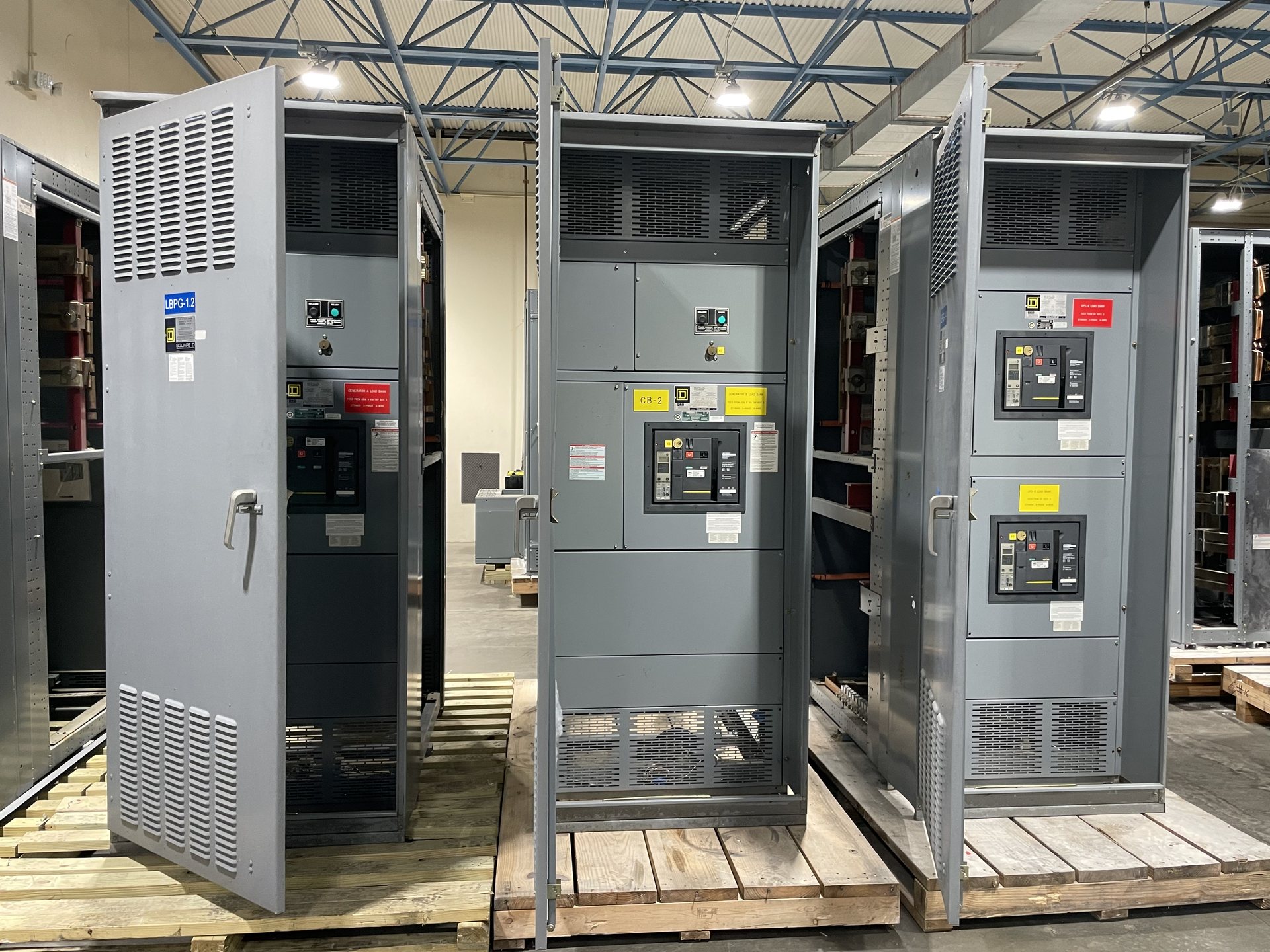
Photograph equipment and access from a safe exterior position, following facility access rules. Useful views may include the overall lineup, visible labels, dock or ground-level loading area, and the approach between them. Do not open compartments, remove covers, enter restricted areas or approach exposed conductors to improve a photograph. Include lifting-point information only when it is visibly documented in existing records or markings; do not infer lifting points from appearance. Such images and notes help the buyer compare documented equipment details with access conditions, while qualified professionals assess any lifting and rigging requirements.
Explain staging and coordinate the review
If equipment is already staged, describe its location and the known conditions around it, including whether the loading surface and access route are shared or restricted. Do not reposition, package or load items yourself. Send the inventory, source-backed dimensions and weights, section and shipping-split details, access notes, and safe photographs together so the buyer can assess the offering before making an offer. Acceptance is not guaranteed; the equipment is reviewed first. For an agreed transaction, qualified professionals handle and pay for required disconnects, rigging, crane work, loading, freight and hauling. No seller testing is required.
Buyer notes
Send the facts that move the review forward.
Include the nameplate, lineup or device photos, approximate quantity, visible condition and where the equipment is located. We buy equipment; we do not sell replacement gear or represent a test result that has not been provided.
Start with the nameplate
Request a quote
Tell us what you have. We buy switchgear from decommissioned data centers, shut-down power plants and other facilities. Crane, rigging, disconnects, loading, freight and hauling are on us. You do nothing but get paid.