Ground-level access can simplify switchgear recovery, but it does not by itself establish that equipment can be moved safely or intact. A useful first review connects the electrical identification and completeness of each assembly with its documented size, shipping splits, loading surface, and route to the pickup point. Share what you can verify; qualified professionals will assess the equipment and access before any physical work is planned.
Start with a clear equipment inventory
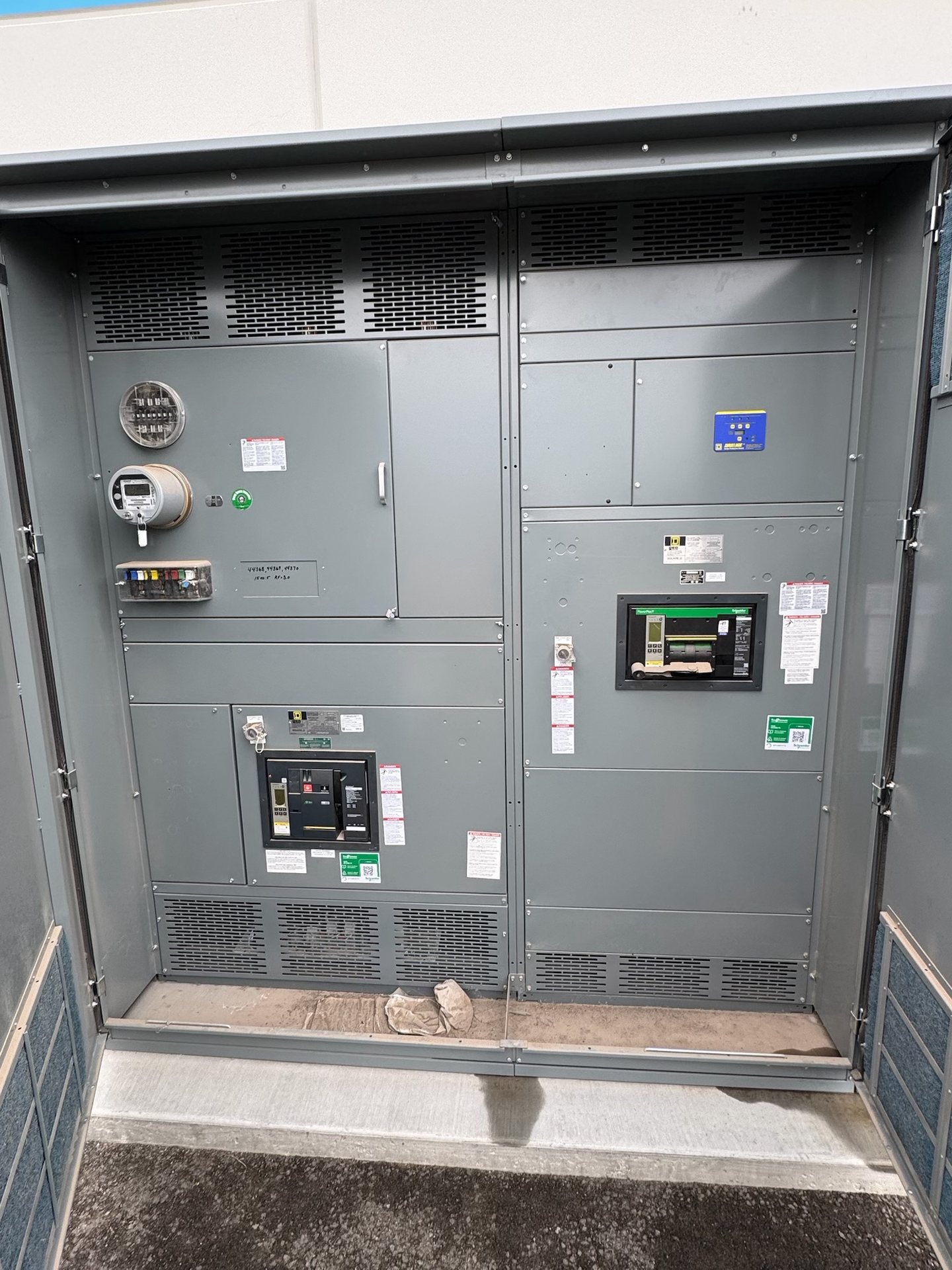
List each item separately: switchgear lineups, switchboards, motor control centers (MCCs), unit substations, busway, transformer-connected assemblies, loose breakers, and accessories. Include manufacturer and model information, nameplate details, voltage class, and approximate age when visible and available without opening equipment or approaching hazards. Note whether the gear is installed, disconnected, stored, or decommissioned, without assuming that its electrical condition is known. A clear inventory helps distinguish the main assemblies from associated parts and gives the buyer a basis to assess the equipment before making an offer.
Describe completeness and shipping splits
Record how many sections make up each lineup and whether the equipment is already divided into shipping splits. Identify which breakers, compartments, control components, doors, bus connections, and accessories appear to be included, using existing records or safe exterior observations. Flag anything missing, detached, stored elsewhere, or of uncertain association. For busway, note the documented quantity and types of straight sections, fittings, and related parts. Completeness matters because a group of separate components may not represent a complete assembly. Do not remove covers or components to improve the inventory; leave inspection and handling to qualified professionals.
Use documented dimensions and weights
Provide approximate dimensions or weights only when they come from an existing drawing, nameplate, equipment schedule, shipping record, or other reliable documentation. Identify what each figure applies to: a complete lineup, one shipping split, a transformer-connected assembly, or a loose component. If figures are estimates, label them as estimates and explain their source rather than presenting them as verified measurements. These details help qualified logistics professionals evaluate the proposed recovery. Avoid measuring near equipment or attempting to reposition it; the information should come from records or be collected by professionals as part of their review.
Share visible lifting-point information carefully
If existing drawings or shipping documents identify lifting points, provide copies or describe where the information appears. Note whether the records apply to the current configuration, since lifting details for an individual section may not describe a reassembled lineup or an assembly with attached transformers. Do not assume that visible brackets, channels, or structural members are lifting points. Their suitability and the lifting method require professional review. Louisiana Switchgear Buyer coordinates and pays for agreed crane and rigging work, but the recovery plan depends on assessment of the actual equipment, documentation, and access before the offer is finalized.
Describe the ground-level route and loading surface
Explain how a qualified crew could reach the equipment from the pickup entrance, including doorway or corridor constraints, turns, overhead obstructions, slopes, and changes in floor level that are already documented or readily known. Describe the loading area as ground-level, dock-accessible, or another arrangement, and note whether the surface is paved, indoors, or otherwise documented. Include any known limits on vehicle approach or staging. Do not clear a route by moving electrical gear or attempting lifting work. Qualified professionals will determine whether the route, surface, and loading arrangement are suitable for the planned removal.
Flag restrictions and safe staging information
Share known site restrictions that affect scheduling or access, such as required escorts, controlled entry, operating hours, vehicle limits, or areas that must remain clear. State where equipment is staged only if that location is known and safe to identify. Mention adjacent equipment or structures that could affect access, without asking anyone to inspect energized spaces. Work involving electrical isolation, disconnects, lifting, rigging, or loading belongs to qualified professionals. The seller does not need to perform those tasks: Louisiana Switchgear Buyer handles and pays for qualified disconnects, loading, freight, hauling, and rigging on agreed transactions.
Send records for review before removal planning
Provide the inventory, available photographs of exterior identification, relevant drawings, section counts, documented dimensions or weights, shipping splits, and a concise access description. Include uncertainties plainly, especially when equipment completeness or a lifting detail cannot be confirmed. The buyer assesses the equipment and circumstances before making a cash offer; acceptance is not guaranteed. No seller testing is required, and do not open energized compartments or attempt to disconnect or move equipment. After an agreed transaction, qualified professionals coordinate removal and logistics. Upfront payment is made on agreed transactions, with the physical plan based on the reviewed equipment and access.
Buyer notes
Send the facts that move the review forward.
Include the nameplate, lineup or device photos, approximate quantity, visible condition and where the equipment is located. We buy equipment; we do not sell replacement gear or represent a test result that has not been provided.
Start with the nameplate
Request a quote
Tell us what you have. We buy switchgear from decommissioned data centers, shut-down power plants and other facilities. Crane, rigging, disconnects, loading, freight and hauling are on us. You do nothing but get paid.